
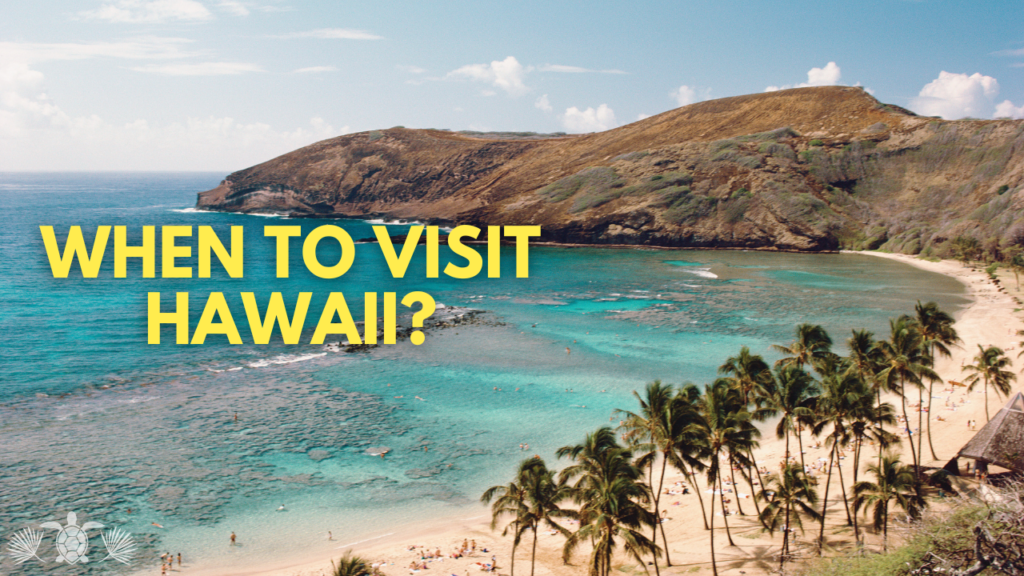
If you’re planning a trip to the Big Island, one of the most common questions travelers ask is: When to visit Hawaii? The answer depends on what you want from your vacation—sunshine, cultural festivals, whale watching, or fewer crowds. Let’s break down the best times to visit the Big Island so you can make the most of your Hawaiian adventure.
When Is the Best Time to Visit Hawaii?
For many, the best time to visit Hawaii is during the spring (April–June) and fall (September–November). These “shoulder seasons” offer a perfect blend of warm, comfortable weather without the intense summer heat or winter crowds. You’ll also find that beaches and popular attractions are less congested, giving you more space to relax and enjoy the islands at your own pace. Another major perk? Travel and accommodation costs tend to dip during these months, making your trip more budget-friendly.
If you’re asking when is the best month to visit Hawaii, May and October are favorites for their balance of good weather, fewer crowds, and lower prices. During these months, you’ll likely experience sunny skies, calm ocean conditions, and blooming tropical landscapes. It’s an ideal time for outdoor adventures like hiking, snorkeling, and whale watching (early spring), or simply soaking in the laid-back island vibe without the peak-season hustle.
Spotlight on Hawaii’s Annual Events and Festivals
Beyond weather and crowds, Hawaii’s calendar of events is another great way to determine the best time for your visit. The islands come alive throughout the year with colorful festivals, cultural celebrations, and sporting competitions—often with plenty of local flavor and aloha spirit to spare.
Here’s a look at some highlights by season to help you sync your travel plans with a special event or two:
Winter & Early Spring Festivities
Start the year off with the Big Island’s Iolani Luahine Hula Festival or the Waimea Ocean Film Festival in January. February and March bring celebrations like the Honolulu Festival and the Merrie Monarch Festival, a renowned week of hula competitions and Hawaiian arts that attracts visitors from far and wide.
For whale watchers, late fall through early spring is prime time—the annual migration of humpback whales is best witnessed from Maui, Molokai, or Lanai, with the peak season from January to March.
Spring to Early Summer Celebrations
The islands burst into bloom—literally and figuratively—with events like May’s Lei Day parades, honoring one of Hawaii’s most iconic traditions across all islands, or the East Maui Taro Festival, spotlighting this cherished crop. Foodies will also find lots to love, from Kona’s Chocolate Festival to Kauai’s Banana Poka Round-Up.
Summer Fun and Cultural Parades
Summer heats up with cherished community parties: Maui’s Makawao Rodeo, Oahu’s King Kamehameha Celebration, and the colorful Pineapple Festival on Lanai. Fourth of July fireworks light up the skies, and Honolulu’s Ala Moana Center hosts one of the largest displays in the country. Festivals of Aloha in September span several islands, embracing Hawaiian music, dance, and crafts.
Fall Festivals and Athletic Challenges
Autumn means big waves (and big competitions), like Oahu’s surfing contests on the North Shore and the world-famous Ironman World Championship on the Big Island in October. Coffee lovers will appreciate the Kona Coffee Cultural Festival in November, complete with tastings, tours, and local arts.
Holiday Magic and Year-End Traditions
December brings holiday cheer with elaborate light parades in Honolulu, Kauai, and Hilo, as well as New Year’s Eve fireworks on most islands. Local festivities, including unique Hawaiian Christmas celebrations, round out the year in style.
Aligning your trip with one of these unforgettable experiences can add a whole new layer to your Hawaiian getaway—whether you want to immerse yourself in tradition, taste your way through island-grown treats, or simply soak in the community atmosphere.
How Big Events Can Affect Your Visit
It’s also important to consider how major island events can influence your travel experience. For example, the Merrie Monarch Festival—a vibrant week-long celebration of hula and Hawaiian culture—draws visitors and locals alike, filling up hotels on the Hilo side each spring. Likewise, the Ironman Triathlon brings thousands of athletes and fans to Kona every October, transforming the otherwise mellow town into a buzzing hub of activity.
What’s the impact? During these big events, availability for accommodations, car rentals, and tours can become very limited, with prices spiking accordingly. If you’re hoping to witness the festivities up close, booking months in advance is a must. Prefer a quieter trip? Plan around these dates for more relaxed vibes and greater flexibility.
What About Costs? How Price Increases Affect Your Trip
It’s no secret that planning a Hawaiian escape requires a little budgeting savvy—especially these days. Recent years have brought noticeable bumps in travel expenses across the board.
Expect to pay more for flights, with airfare often running 20–30% higher than what travelers saw before 2019. Rental car prices have also climbed sharply, with limited inventory driving costs up faster than a convertible Mustang along the Kohala Coast. And while there are still deals to be found, accommodation rates on the Big Island have risen in step with demand.
Quick tips to save:
- Book flights and hotels well in advance, especially if you’re eyeing spring or fall.
- Consider flying mid-week—airlines like Hawaiian Airlines and Alaska often offer lower fares outside peak weekends.
- Compare car rental prices through sites like Kayak or Expedia, and check if membership programs (such as Costco Travel) can snag you a better rate.
By planning ahead and keeping an eye out for deals, you can still enjoy the best the Big Island has to offer—without breaking the bank.
Is There Ever a “Bad” Time to Visit Hawaii?
The truth is, there’s really no such thing as a bad time to visit Hawaii. The islands enjoy gorgeous weather throughout the year, with temperatures rarely swinging to extremes. Whether you’re aiming for outdoor activities, cultural events, or just some downtime on the beach, you’ll find plenty to enjoy no matter when you arrive.
Of course, each season comes with its unique perks and occasional trade-offs:
- Winter months can be busier and pricier, especially around major holidays, but also bring amazing surf and whale watching.
- Summer brings warmer weather and lively festivals, though it may mean more families and crowded attractions.
- Spring and fall tend to strike that sweet spot for pleasant weather, thinner crowds, and friendlier prices.
In short, Hawaii is ready to welcome you year-round—so your timing really comes down to what kind of adventure you’re after (and maybe what local treats you’re hoping to sample first!).
Hurricane Season in Hawaii: What to Know
If you’ve got hurricanes on your mind, here’s some reassuring news: while Hawaii’s official hurricane season stretches from June through November, significant storms are quite rare in the islands’ modern history. Thanks to Hawaii’s remote location and protective ocean currents, most hurricanes lose steam or veer off course before reaching shore.
Still, it’s always wise to stay informed and check local forecasts if you’re visiting during these months—but for most travelers, hurricanes are an unlikely disruption to paradise plans.
How the Climate Varies Across Hawaii’s Main Islands
Even though the Hawaiian Islands share a famously sunny reputation, each island has its own unique flavor when it comes to weather. Thanks to the islands’ varied landscapes—think soaring mountains, lush valleys, and breezy coastlines—you’ll notice that conditions can shift dramatically with just a short drive. Here’s what you can expect on each of the major islands:
Oʻahu:
Home to Honolulu, Oʻahu often boasts warm, beach-perfect weather along the southern coast. But venture north or inland, and you might run into unexpected showers or cooler breezes, especially during the wetter winter months. The island’s diverse terrain means it’s not unusual to witness sunshine in Waikīkī, while the North Shore gets a refreshing sprinkle.
Maui:
Nicknamed “The Valley Isle,” Maui serves up a distinct blend of climates. The western and southern shores tend to stay dry and sunny (hello, Kāʻanapali Beach), while the road to Hāna and upcountry areas like Kula see their fair share of mist and rain. Mount Haleakalā brings cooler temps—pack a jacket if you plan a sunrise trip.
Big Island (Hawaiʻi Island):
This island is a climate chameleon. On the Kona side, expect hot, arid weather almost year-round, perfect for beach lounging and snorkel sessions. Across the island, Hilo embraces a much rainier, tropical vibe—ideal for lush botanical gardens and waterfalls. High elevations on Mauna Kea and Mauna Loa can get surprisingly chilly, and sometimes even see snow!
Kauaʻi:
The northernmost island, Kauaʻi, is often called the “Garden Isle” for good reason. It’s the wettest of the main islands, particularly in the north and east, which translates into dramatic cliffs and rainforests. The south shore, however, enjoys drier, sunnier days—perfect for laid-back beach time.
A Few Quick Weather Tips:
- All temperature readings generally use Fahrenheit, and rainfall is given in inches, relying on airport data for each island.
- Microclimates can surprise you, so always check a local forecast and pack accordingly.
- No matter where you go, those famous trade winds can keep things comfortable, but always be ready for a passing shower!
With these unique weather patterns in mind, you can better plan your itinerary—whether you’re chasing waterfalls, waves, or simply the perfect beach day..

Microclimates and Island Weather: Why It’s Never All Rain or Shine
One of the most fascinating things about the Big Island—and Hawaii in general—is its remarkable patchwork of microclimates, thanks to its dramatic topography. The towering volcanic mountains and rugged terrain act as natural rain-makers, catching the trade winds and funneling rain to certain spots while leaving others warm and dry.
Here’s how it plays out:
- Windward sides (facing northeast) catch more moisture-laden air, so they get the lion’s share of rain—lush, green, and perfect if you love waterfalls and tropical jungles.
- Leeward coasts (facing southwest or west) sit in the “rain shadow” of the mountains, making them noticeably drier and sunnier. This is where you’ll typically find the best beach weather and classic golden sunsets.
So, even when one part of the island is seeing a passing shower (yes, especially in November and March), you can often drive to a sunnier stretch just a few miles away. The bottom line? Don’t be discouraged by a rainy forecast—Hawaii almost always has sunshine within reach!
Winter, Spring, Summer or Fall? When’s the Best Time to Visit Hawaii?
Winter (December–March):
This season is ideal if you’re drawn to whale watching and surfing, especially on the North Shore of Oʻahu and other exposed coastlines. Winter brings larger ocean swells and is a prime time for surf competitions. However, it’s also peak tourist season, especially around the holidays, so expect higher prices and more crowds at hotels, beaches, and attractions. It’s a great time for adventure seekers and snowbirds looking for a warm escape.
December: Early Month Calm Before the Holiday Buzz
While December in Hawaii brings visions of festive luaus and glittering sunsets, crowd levels can vary dramatically depending on when you visit. If your goal is to savor paradise without the hustle and bustle, aim for the first two weeks of December. During this early stretch, the islands enjoy warm, mostly dry weather, and the influx of holiday travelers hasn’t arrived yet—leaving beaches, hiking trails, and popular sights refreshingly uncrowded.
As Christmas draws near, Hawaii’s popularity soars. Flights fill up, hotel prices climb, and popular towns like Kailua-Kona and Waikiki buzz with holiday excitement. If you’d rather skip the crowds and higher costs, plan to wrap up your stay before mid-December. Not only will you enjoy a slower pace, but you’ll also catch the start of humpback whale season—offering the opportunity to spot these majestic creatures offshore before the masses arrive.
In short: for the best balance of tranquility and tropical magic, target early December for your getaway. You’ll experience Hawaii’s natural beauty and cultural charm with plenty of space to spread out and relax.
Spring (April–June):
Often overlooked, spring is one of the least busy times to visit Hawaii, making it perfect for travelers who prefer tranquility. The weather is pleasantly warm, humidity is lower, and lush landscapes are in full bloom after the winter rains. Affordable rates on flights and accommodations make spring a smart pick for budget-conscious travelers who still want the full Hawaiian experience.
Summer (June–August):
Great for families with kids on break, summer is Hawaii’s sunniest season with long days ideal for beach outings, snorkeling, and hiking. But with schools out, it’s also one of the busiest periods for travel. Hotter temperatures and higher demand mean that prices tend to rise, and popular spots may be crowded. Book early and plan ahead if you’re traveling during this time.
Fall (September–November):
A favorite among seasoned travelers, fall is another top time for value travelers. After the summer rush, the islands slow down, offering comfortable weather and smaller crowds. Fall also brings special events like the Kona Coffee Cultural Festival and is a great time for outdoor adventures before the winter surf swells return. For many, this is one of the best seasons to visit Hawaii for both value and experience.
Major Festivals & Annual Events in Hawaii, Month by Month
Beyond its dreamy weather and endless coastline, Hawaii shines through its vibrant calendar of festivals—one for nearly every taste and every month. From hula celebrations to food fiestas, there’s always a good excuse to join the locals in raising a lei or two.
January
Kick off the year with cultural festivities like the Ohana Festival in Honolulu, the Sentry Tournament of Champions in Maui for golf lovers, and statewide hula festivals honoring tradition. Film buffs and music fans will also find unique events brightening the start of the Hawaiian year.
February
Celebrate Hawaii’s creative spirit at events such as the Great Aloha Run and art-filled Pow! Wow! Hawaii on Oʻahu. Maui’s Whale Festival coincides with the winter whale migration, making this an ideal month for marine life enthusiasts and local rodeos.
March
March brings the lively Honolulu Festival, known for its parades and performances, and the colorful Merrie Monarch Festival on Hawaiʻi Island, which showcases world-class hula. From craft beer tastings to cherry blossom celebrations, it’s a month when creativity pops up everywhere.
April
Orchid shows bloom, kites soar at spring festivals, and island towns come alive with local film and music events. On Oʻahu, don’t miss the famous Spam Jam, and on Maui, taro and flowers take center stage at unique community gatherings.
May
May is all about lei-making and honoring island heritage with Lei Day celebrations, parades, and floral artistry. Look out for food festivals, book fairs, and music events—plus parades filled with music and pageantry on nearly every island.
June
The King Kamehameha Celebration fills streets statewide with floral floats and traditional pageantry. Sip your way through wine, culinary, and mango festivals, or enjoy cultural performances under balmy June skies.
July
Fireworks paint the Fourth of July sky above Oʻahu’s Ala Moana Beach, while across the islands, rodeos, hula festivals, and plantation days highlight the islands’ ranching and agricultural roots.
August
Surf culture takes center stage at Duke’s OceanFest, while hula, art, and local cuisine are celebrated in unique town festivals. Late summer also brings fishing tournaments and cultural pilgrimages honoring Hawaii’s rich seafaring history.
September
The Aloha Festivals light up Honolulu with parades and music, while Kauaʻi’s marathon and Mokihana Festival blend fitness with culture. Bird watchers and coffee aficionados will find plenty to celebrate on Hawaiʻi Island and beyond.
October
October is the season for food and wine festivals—plus Halloween in Lahaina, famed for one of the island’s largest street parties. Off-road races, triathlons, and coffee celebrations keep the energy high and the flavors bold.
November
With the arrival of migrating humpback whales, November marks the unofficial start of whale-watching season on Maui and beyond. It’s also time for the renowned Kona Coffee Cultural Festival and a host of film, food, and heritage events across the islands.
December
December twinkles with holiday parades, Honolulu City Lights, festive marathons, and Christmas markets in every town square. From mochi pounding to twilight parades, the islands’ holiday cheer is truly contagious.
No matter when you visit, Hawaii’s festivals promise a memorable immersion into the islands’ warm-hearted spirit and one-of-a-kind traditions.

Big Island Highlights by Season
Winter:
Spot humpback whales off the Kohala Coast as they migrate to Hawaii’s warm waters to breed and give birth. It’s one of the most magical times for whale watching, especially between January and March. The island’s lush green scenery also peaks during this season thanks to the winter rains, making it a great time for scenic drives, especially along the Hāmākua Coast.
Spring:
Perfect for snorkeling at Kealakekua Bay when the waters are calm and visibility is excellent. Spring is also ideal for hiking in Volcanoes National Park without the crowds, offering a peaceful experience among lava tubes, crater trails, and native forests. Wildflowers start blooming at higher elevations, and temperatures are comfortably warm.
Summer:
Great for stargazing at Mauna Kea, with long, clear nights perfect for visiting the summit or joining a stargazing tour. Summer also brings an abundance of outdoor cultural events, like hula festivals and local parades. Ocean conditions are typically at their best, making it the perfect time to swim, snorkel, and paddleboard in warm waters.
Fall:
A quieter time to relax on the best Big Island beaches, such as Hapuna or Mauna Kea Beach, with fewer tourists and warm weather lingering into November. Fall is also a great time to explore local farmers markets, where seasonal produce like avocados, papayas, and dragon fruit are at their peak. Plus, it’s coffee harvest season in Kona—don’t miss the fresh roasts and farm tours.
Go With the Flow: Adapting to Island Life on the Big Island
If you’re used to a fast-paced, hustle-and-bustle lifestyle, prepare to leave your planner (and your sense of urgency) at the baggage claim. Life on the Big Island moves to its own gentle rhythm—a bit like a slack-key guitar under the palms, unhurried and warm.
Embrace the Slow Lane
The day starts unhurried—with coffee grown just down the road and aloha exchanged as easily as a smile. Whether you’re in line at the farmers market or waiting for poke at a roadside café, patience is your best travel companion. Locals cherish a laid-back approach, so take a deep breath, relax, and let the island set your tempo.
Customs That Keep Community Strong
Traditions are woven into daily interactions:
- Greet everyone with a friendly “Aloha”—it’s more than a word; it’s a way of being.
- Always slip off your shoes before entering a home, whether it’s a plantation cottage or a modern retreat.
- Lend a hand or share a story—community, or ‘ohana, is at the heart of island life.
Show Respect for Land and People
From lush valleys to volcanic craters, there’s a deep-rooted respect for the ‘āina (land). Stay on marked paths, leave lava rocks and sea shells in place, and help keep beaches pristine. Many sites are sacred—observe posted signs, keep voices low, and never treat these places like just another photo op.
Island Etiquette on the Road and Beyond
Even traffic has its own code of courtesy. Give way with a shaka, let someone merge, and keep honking to a minimum. The unwritten rule: drive like you’re in no particular hurry—because you probably aren’t.
By tuning in to the Big Island’s relaxed pace and respectful customs, you’ll feel less like a visitor and more like you’ve found your place in the aloha spirit.

What Should You Not Miss When Visiting Hawaii?
No matter when you visit Hawaii, especially the Big Island, there are unforgettable experiences you simply shouldn’t skip:
-
Snorkel at Kealakekua Bay – This iconic marine sanctuary is known for its crystal-clear waters, colorful coral reefs, and abundant sea life. It’s also home to the Captain Cook Monument and is best explored via kayak or guided boat tour.
-
See active volcano landscapes in Hawaii Volcanoes National Park – Walk across hardened lava fields, peer into steaming craters, and, if you’re lucky, witness a glowing lava flow at night. It’s a once-in-a-lifetime look at Earth’s raw power.
-
Explore Waipiʻo Valley with its breathtaking cliffs and taro fields – Take in sweeping views from the lookout, or if you’re adventurous, hike or join a guided tour into the valley floor, where waterfalls, rivers, and ancient Hawaiian agricultural practices await.
-
Enjoy Kona coffee tours and discover the island’s rich coffee culture – Tour family-owned farms along the Kona Coffee Belt, sample award-winning brews, and learn about the unique microclimate that makes Kona coffee world-renowned.
-
Taste local favorites – Don’t miss out on signature island eats like poke bowls made with fresh ahi, piping hot malasadas (Portuguese-style donuts), and fresh island fish grilled to perfection. Great places to eat when visiting Hawaii include local food trucks, farmers markets, and Kona’s thriving brewpub scene.
How Can You Protect Hawaii’s Culture and Natural Beauty While Visiting?
If you want your Big Island adventure to be more than just a vacation, tuning in to local ways of life and caring for the environment is key. Here’s how to be a thoughtful guest—and help keep Hawaii extraordinary for generations to come:
-
Spread Aloha Everywhere: A simple, heartfelt “aloha” goes a long way on the island, whether you’re greeting locals, joining a tour, or chatting with fellow travelers. Smile, slow down, and embrace the spirit of ‘ohana—family and community are at the heart of island life.
-
Leave No Trace: The land (ʻāina) is sacred. Always pack out what you bring in, stick to marked trails, and resist the urge to pocket a lava rock or piece of coral for a souvenir. Respect posted signs and local requests, especially around sensitive places.
-
Honor Sacred Spaces: From ancient temples to cliffside heiau, the Big Island is filled with sites that carry deep meaning for Hawaiians. Show reverence by keeping conversations low, not venturing into off-limits areas, and learning a bit about the site’s history before you go.
-
Be a Courteous Guest: Step into homes (and even some businesses or vacation rentals) barefoot—removing your shoes at the door is a sign of respect. And on the road, remember: no one’s in a hurry. Let others merge, wave thanks, and try out the shaka—a friendly local hand sign meaning “hang loose.”
-
Support Local: Choose local businesses, farmers markets, artists, and food stands when you can. Not only will you taste and experience Hawaii authentically, but you’ll also help support the island’s communities and keep traditions thriving.
-
Tread Lightly in the Ocean: Hawaii’s reefs are fragile and unique. Use reef-safe sunscreen, never touch corals or marine life, and keep a respectful distance from turtles, dolphins, and monk seals. When in doubt, simply float and marvel.
By traveling with mindfulness and respect, your trip will not only be richer, but you’ll help ensure that Hawaii’s magic endures—for the land, the people, and fellow visitors.
Family-Friendly Experiences in Kailua-Kona Blog
Final Thoughts on When to Visit Hawaii
So, when is a good time to visit Hawaii? The truth is, there’s really no bad time—especially on the Big Island, where the diverse climate zones and laid-back vibe make it a year-round paradise. Winter brings surf and whales, summer offers vibrant festivals and warm waters, while spring and fall shine for those seeking the best of all worlds. If you’re after ideal weather, fewer crowds, and better travel deals, spring and fall often make the best choice. Whatever season you choose, the Big Island welcomes you with aloha.
Ready to Experience the Big Island?
Whether you’re planning to visit, invest, or make Hawaii your home, I’d love to guide you through the best that the Big Island has to offer.