
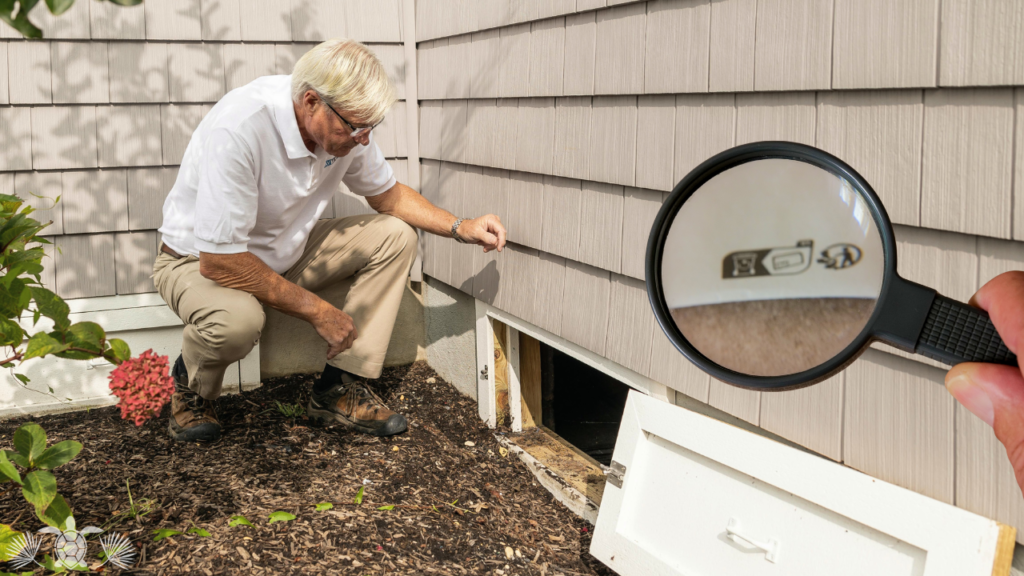
When buying property on the Big Island, many buyers view inspections as just another step in the process—a box to check before closing. But in reality, Hawaii home inspections are one of the most important financial tools available to protect your investment.
From the sunny coastline of Kona to the agricultural properties in Captain Cook and the lush environments of Hilo, homes across Hawaiʻi Island are exposed to conditions you simply don’t encounter in most mainland markets.
Salt air, humidity, volcanic soil, and tropical pests all create risks that aren’t always visible during a showing. What looks like a well-maintained home on the surface can hide costly issues underneath.
Understanding how Hawaii home inspections work—and how to use them strategically—can save you thousands of dollars and give you confidence in your purchase.
What Are Hawaii Home Inspections — and Why Do These Matter More Here
At its core, a home inspection is a comprehensive evaluation of a property’s major systems and overall condition.
A qualified inspector will assess:
- The roof, including condition, age, and potential leak points, which are especially important in areas like Kona where sun exposure and salt air accelerate wear.
- Plumbing systems, including visible piping, water pressure, and signs of hidden leaks that can develop quickly in humid environments such as Hilo.
- Electrical systems, ensuring proper wiring, panel condition, and safety compliance—critical in older homes or properties that have been modified over time.
- Structural components, including foundation, framing, and signs of movement or settling that may be influenced by volcanic terrain.
However, Hawaii home inspections go beyond a standard checklist because of the island’s environment.
Homes here are constantly exposed to:
- Salt air corrosion, which can quietly degrade metal fixtures, fasteners, and exterior components over time, especially near the coast.
- High humidity and moisture, which can lead to mold, mildew, and long-term material deterioration if not properly managed.
- Termites and tropical pests, which thrive year-round and can cause structural damage that is not immediately visible.
Because of these factors, inspections are not just helpful—they are essential for uncovering risks that may not appear during a casual walkthrough.
Hidden Repairs That Can Cost You Thousands
One of the biggest financial advantages of Hawaii home inspections is the ability to identify hidden issues before they become your responsibility.
During inspections, it is common to uncover problems such as:
- Roof leaks or aging materials, where small cracks or worn surfaces can allow water intrusion that leads to interior damage over time.
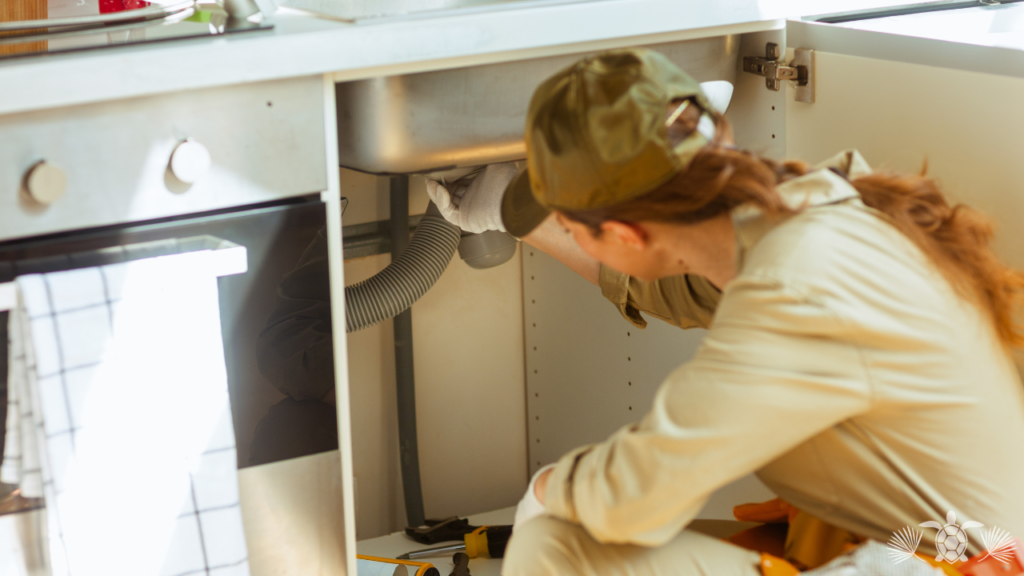
- Plumbing issues behind walls, including slow leaks or outdated piping that may not be visible but can cause significant damage if left unaddressed.
- Electrical hazards, such as outdated wiring or improper installations that may pose safety risks and require immediate upgrades.
- Termite damage or wood rot, which can weaken structural elements and often goes unnoticed until a professional inspection is conducted.
What makes these findings so important is that many of them are not obvious during a showing.
A home may appear clean, well-maintained, and move-in ready, but underlying issues can still exist. Without a proper inspection, these problems often surface after closing—when repair costs fall entirely on the new owner.
In many cases, what seems like a minor issue can quickly escalate into a repair costing thousands—or even tens of thousands—of dollars.
Using the Inspection as a Negotiation Tool
Beyond identifying issues, Hawaii home inspections play a critical role in negotiation.
When your purchase contract includes an inspection contingency, you gain flexibility and leverage during the transaction.
After reviewing the inspection report, buyers can:
- Request that the seller complete specific repairs before closing, ensuring that major issues are addressed upfront.
- Negotiate a price reduction that reflects the cost of necessary repairs, allowing you to manage those improvements on your own timeline.
- Ask for seller credits, which can be applied toward closing costs or future repairs, providing immediate financial relief.
- Walk away from the transaction without penalty if significant issues are discovered that change your assessment of the property.
This is where inspections directly impact your bottom line.
In many transactions across Kona, Waikoloa, and Captain Cook, buyers are able to renegotiate terms based on inspection findings—sometimes saving thousands of dollars or avoiding costly mistakes altogether.
Without an inspection, this opportunity simply doesn’t exist.
Big Island-Specific Risks Buyers Need to Understand
One of the most important reasons to prioritize Hawaii home inspections is the presence of risks unique to the Big Island.
These factors require local knowledge and careful evaluation:
- Volcanic soil and ground movement can affect foundations and structural stability. While not always dramatic, subtle shifts over time can lead to cracking or uneven settling that needs to be assessed.
- Salt air exposure, particularly in coastal areas like Kailua-Kona, can accelerate corrosion of metal components such as railings, fasteners, roofing materials, and appliances.
- Termites and wood-destroying organisms are active year-round in Hawaiʻi, making termite inspections a critical part of the process. Damage can occur even in well-maintained homes.
- Moisture intrusion is common in tropical climates, especially in areas like Hilo or higher elevations. Poor ventilation or drainage can lead to mold, mildew, and long-term structural issues.
These are not typical concerns in many mainland markets, which is why working with inspectors who understand local conditions is essential.
A standard inspection approach may not fully capture these risks, but a locally experienced inspector will know exactly what to look for.
The True Cost of Skipping a Home Inspection
While it may be tempting to waive an inspection in a competitive situation, doing so can carry significant financial risk.
Skipping Hawaii home inspections can lead to:
- Undetected structural problems that require major repairs shortly after purchase, often costing far more than anticipated.
- Unexpected maintenance expenses, particularly related to roofing, plumbing, or pest damage that was not visible at the time of purchase.
- Insurance or financing complications, as some lenders and insurers may require certain issues to be addressed before final approval.
- Reduced resale value, especially if problems are discovered later and must be disclosed to future buyers.
The cost of a home inspection is typically a few hundred dollars. In contrast, hidden issues can easily result in repair bills reaching tens of thousands.
From a financial perspective, skipping an inspection is not a cost-saving measure—it is a risk.
How a Smart Inspection Strategy Protects Your Investment
The goal of Hawaii home inspections is not to find a perfect home—because no home is perfect. Instead, the goal is to make an informed decision with a clear understanding of the property’s condition.
A smart inspection strategy includes:
- Hiring a qualified local inspector who understands the specific challenges of Hawaiʻi Island properties, from coastal corrosion to volcanic soil conditions.
- Reviewing the inspection report thoroughly, taking time to understand not just the findings but the implications of each issue over time.
- Distinguishing between normal maintenance items and more serious concerns, so you can prioritize what truly matters in your decision-making process.
- Factoring repair costs into your overall offer strategy, ensuring that your purchase price reflects the true condition of the home.
When approached this way, inspections become a powerful tool—not just for identifying problems, but for protecting your investment and strengthening your position as a buyer.
Final Thoughts: Clarity Over Surprises
Buying a home on the Big Island is an exciting step, whether you’re looking in Kona, exploring properties in Captain Cook, or considering a move to Hilo or Waimea.
But with that opportunity comes responsibility.
Hawaii home inspections are one of the most effective ways to ensure that your purchase is based on complete information, not assumptions.
They provide clarity, reduce risk, and give you the confidence to move forward knowing exactly what you’re buying.
In a market shaped by unique environmental conditions, inspections are not just part of the process—they are part of a smart financial strategy.
If you’re considering purchasing property on the Big Island and want guidance through every step—including inspections, negotiations, and local insight—I’m here to help.