
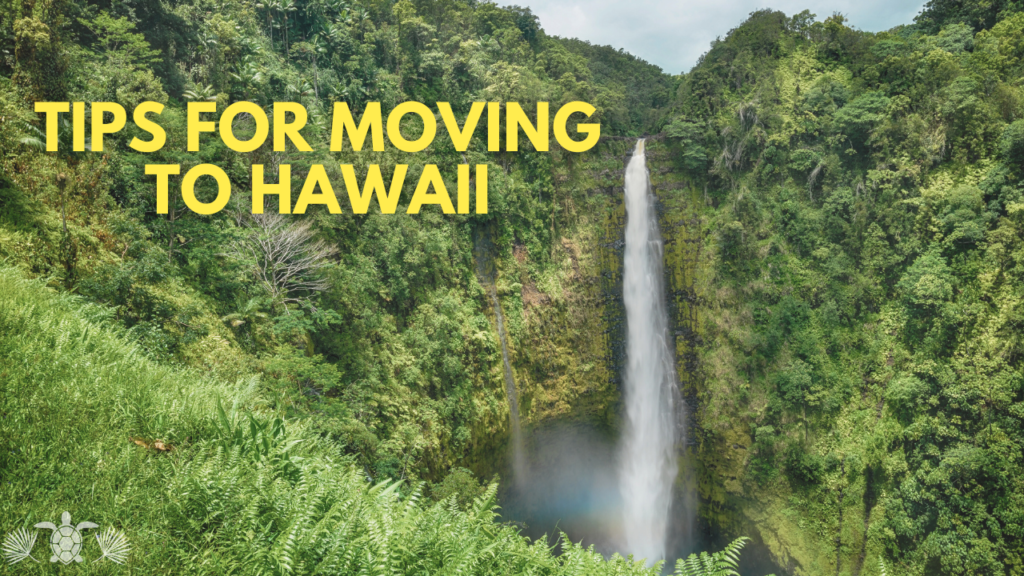
Some tips for moving to Hawaii, especially to the Big Island—can make your transition smoother, more enjoyable, and financially smart. Whether you’re relocating for a job, retirement, or a lifestyle change, it’s important to understand the unique aspects of island living. From preparing your budget and shipping logistics to choosing the right microclimate and embracing the local culture, every detail matters. The Big Island offers an incredible mix of natural beauty, community spirit, and diverse environments—from sunny Kona to misty Waimea. With the right preparation, your move can feel less like a leap and more like a well-guided journey toward the aloha lifestyle.
Why the Big Island Is a Top Choice for Relocation
While Oahu and Maui often steal the spotlight, the Big Island stands out for its spacious landscapes, diverse microclimates, and more relaxed pace of life. Whether you’re drawn to the sunny, dry coastlines of Kailua-Kona or the green, tropical setting of Hilo, this island offers lifestyle options as varied as its terrain. With fewer crowds and more room to breathe, it’s ideal for those seeking a deeper connection to nature and community. These tips for moving to Hawaii will help you explore whether the Big Island is the right place to start your next chapter.

Budgeting Essentials When Moving to Hawaii
One of the most important tips for moving to Hawaii is building a realistic budget—especially when relocating to the Big Island, where costs can vary widely by region.
-
Housing costs: Expect higher prices in popular West Side areas like Kona and Waikoloa, where demand for real estate is strong. In contrast, Hilo and the East Side tend to offer more affordable options, though they come with a rainier climate.
-
Utilities: Electricity rates are among the highest in the U.S., so consider homes with solar panels or explore local incentives for energy efficiency.
-
Groceries: Because many products are imported, grocery bills can add up quickly. Shopping at local farmers markets and buying in bulk from places like Costco can significantly cut costs.
-
Transportation: Public transit is limited, so owning a vehicle is highly recommended—especially if you plan to live outside of central towns or commute to work or school.
By understanding the cost of living in Hawaii and adjusting expectations accordingly, you’ll be better prepared for a smooth financial transition to your island lifestyle.
Navigating the Big Island Job Market
When it comes to employment opportunities, the Big Island requires a flexible mindset—and a bit of advance planning. The local economy leans heavily on tourism, agriculture, and healthcare, so most job openings are found in these sectors. High-paying positions are more limited than you might find on the mainland, especially outside of resort and hospitality management, medical professions, or specialized technical roles.
It’s smart to line up your job—or at least start your search—before making the move. Remote work has become more accessible in recent years, opening new doors for professionals who can telecommute. If you already have a remote position or freelance career, you’ll have a head start in adapting to island life without the local job-hunting stress.
For those seeking traditional employment, patience is key. Expect the process to take longer than in larger cities, and consider expanding your skill set to increase your options. Networking with local organizations and keeping an eye on statewide listings can improve your chances. And remember, jobs often go to those already living on the island, so having a local address can be a big plus.
Ultimately, resourcefulness and willingness to explore new paths can be your greatest assets for thriving in the Big Island’s unique job market.

Finding Housing on the Big Island
When searching for your new home on the Big Island, it’s important to match your lifestyle priorities with the unique qualities of each region:
-
Kailua-Kona, Waimea, and Waikoloa are ideal for those seeking year-round sunshine, proximity to beaches, golf courses, and resort-style living. These areas are especially popular with retirees, second-home buyers, and professionals working remotely.
-
Hilo and Puna provide a different appeal—think lush rainforests, waterfalls, and a slower pace of life. They’re also more budget-friendly, making them attractive to families, creatives, and anyone seeking more space for their money.
No matter your preference, it’s wise to work with a local realtor who knows the nuances of each neighborhood and can help you navigate the island’s diverse real estate market. If you’re not quite ready to purchase, consider renting first. This allows you to experience daily life in different communities before making a long-term commitment.

Homes For Sale On The Big Island
Packing and Shipping Tips for Moving to Hawaii
Moving across the ocean requires a bit more planning—especially when it comes to your belongings. These practical tips for moving to Hawaii can help you save money and reduce stress:
-
Downsize before the move – Bulky or heavy furniture can be expensive to ship. Sell or donate items that aren’t essential—you may find it’s more cost-effective to buy new or gently used furniture once you’re on-island.
-
Bring only the essentials – Focus on personal items, important documents, and anything difficult to replace. Consider what you’ll actually need in the first few weeks while you settle in.
-
Use freight shipping specialists – Companies like Matson and Pasha Hawaii offer container shipping tailored for Hawaii moves. They can help transport cars, furniture, and large household items.
-
Save on small shipments – For clothes, books, and smaller necessities, USPS flat-rate boxes can be surprisingly affordable and reliable.
Planning ahead makes all the difference when relocating to the islands—keep it simple and you’ll adjust much more smoothly once you arrive.
Should You Ship or Buy a Vehicle in Hawaii?
One of the biggest decisions you’ll face when relocating is whether to ship your existing vehicle or purchase one after you arrive.
There’s no one-size-fits-all answer, but here are some key considerations to help you make the best choice:
- Shipping Your Car: If you already own a reliable vehicle you enjoy—especially if it’s paid off or in great condition—shipping it can often be the more economical option. Major carriers like Matson and Pasha Hawaii regularly handle vehicle transport from the mainland. Costs are generally most affordable from West Coast ports, and you avoid the premium prices often found on-island.
- Buying on the Island: There are dealerships and private sellers throughout Hawaii, but keep in mind that vehicles here tend to come at a premium due to limited supply and higher shipping costs. Used cars, in particular, often have higher price tags and may see more wear from the local climate.
- Other Factors: If your current car isn’t well-suited for local conditions (for example, poor ground clearance on rural roads or rust concerns), or you’re considering an upgrade anyway, buying locally might make sense. However, for most new arrivals—especially those with cars they already love—shipping is the best way to avoid sticker shock and ensure you know the full history of your vehicle.
Evaluating your unique situation, preferences, and the true costs involved will help you make a smooth transition onto the roadways of your new island home.

Adjusting to the Hawaii Lifestyle
Moving here isn’t just about logistics—it’s about immersing yourself in a new rhythm, culture, and mindset. These tips for moving to Hawaii can help you ease into island life:
-
Live with aloha – Embrace the spirit of kindness, respect, and harmony. That means caring for the land (ʻāina), honoring local customs, and treating everyone with genuine warmth.
-
Get involved – Whether it’s shopping at the farmers market, attending a lūʻau or hula festival, or joining a beach clean-up, community participation helps you feel grounded and welcomed.
-
Embrace outdoor living – The Big Island invites an active lifestyle. Swim with manta rays in Kona, hike to hidden waterfalls, or explore black sand beaches and volcanic craters.
-
Be patient – “Island time” is real. Things may not move as fast as you’re used to, but with a little patience, you’ll learn to appreciate the slower, more intentional pace of life.
When you move with an open heart and a willingness to adapt, the Big Island rewards you with a lifestyle that’s both fulfilling and uniquely Hawaiian.
Understanding Local Perspectives—and the Importance of Respect
Adapting to island life also means recognizing the deeper history that shapes everyday interactions. The relationship between Hawaii and the United States is a sensitive topic for many local residents. The islands were once an independent kingdom before their annexation, and those events—still within living memory for some families—have left a lasting impact on attitudes toward newcomers.
If you’re moving to Hawaii, awareness and empathy go a long way. The term “haole” is commonly used for newcomers or people who aren’t of Hawaiian descent, and while it can be matter-of-fact, it sometimes carries deeper undertones related to this complex history. By taking the time to learn about Hawaii’s unique past and listening to local stories, you signal genuine respect—not just for the land, but for its people, too.
- Educate yourself about Hawaiian history and culture—many locals appreciate when newcomers show curiosity and humility.
- Approach new relationships with sincerity and readiness to learn, rather than assumptions or stereotypes.
- Remember that “aloha” isn’t just a greeting; it’s a value rooted in kindness, understanding, and mutual respect.
With an open mind and heart, you’ll find that most communities are welcoming—especially to those who honor Hawaii’s heritage and contribute positively to its vibrant way of life.

Climate Considerations on the Big Island
One of the most fascinating things about the Big Island is its range of microclimates—it features 11 of the world’s 13 climate zones, all on a single island. That means you can choose the weather that best matches your lifestyle.
-
Kona (West Side) – Warm, sunny, and dry most of the year, perfect for beach lovers and those who want consistent weather and spectacular sunsets.
-
Hilo (East Side) – Lush, green, and rainy, ideal for gardeners, nature lovers, or anyone who enjoys a cooler, tropical rainforest vibe.
-
Waimea (Upcountry North) – Cooler and breezy with rolling pastures and a laid-back ranch feel. Great for those who want a break from the coastal heat.
-
Volcano or Mountain Areas – Expect cool nights and misty mornings. These spots offer peaceful seclusion but can feel remote to some.
Knowing which microclimate suits your needs is one of the smartest moving-to-Hawaii tips—especially if you’re sensitive to heat, humidity, or seasonal changes.
Healthcare, Schools, and Community Resources
-
Healthcare: The island is served by Kona Community Hospital on the west side and Hilo Medical Center on the east, both offering emergency and general medical services. You’ll also find urgent care clinics, dental offices, and specialty providers in larger towns like Kailua-Kona, Hilo, and Waimea.
-
Schools: The Big Island has a mix of public, charter, and private schools. Notable options include Waimea Middle Public Conversion Charter School, Hawai‘i Preparatory Academy, and Kealakehe High School. Many families appreciate the small class sizes and strong community involvement in education.
-
Community Resources: Whether you’re looking to get active or get involved, the island offers public libraries, local gyms, farmers markets, cultural festivals, and community centers that host everything from yoga to hula lessons. These resources help new residents build connections and feel at home.
Final Thoughts on Tips for Moving to Hawaii
Relocating to Hawaii is more than a move—it’s a lifestyle change. By planning carefully, budgeting smartly, and embracing the aloha spirit, your Big Island transition will be both smooth and rewarding. Use these tips for moving to Hawaii to ensure your new life starts off right.
Ready to Make the Big Island Your Home?
As a local expert in Kailua-Kona real estate, I’d love to help you find your perfect island home and guide you through every step of the move.