
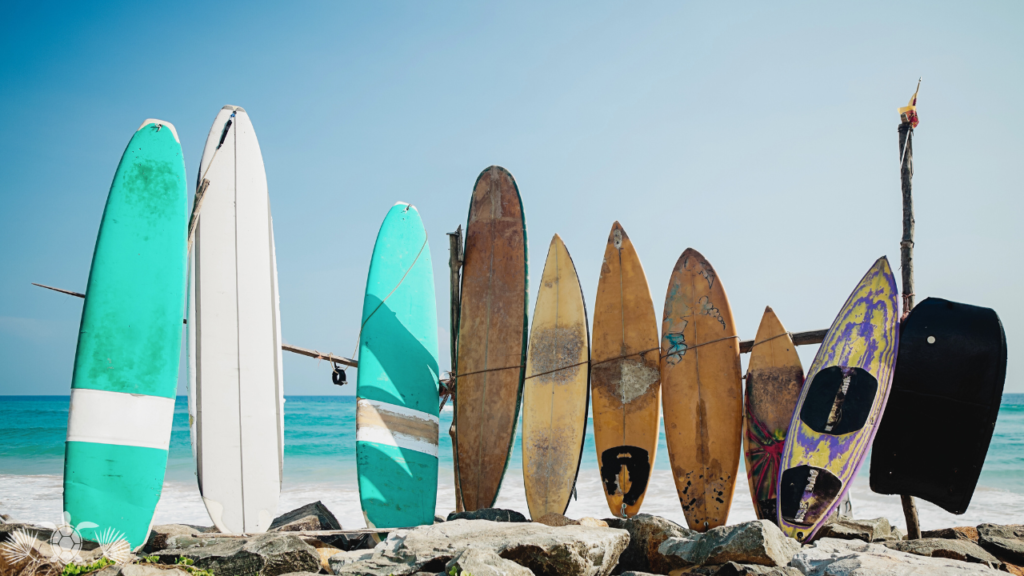
If you’ve ever dreamed of catching waves in paradise, there’s no better place than Hawaii’s Big Island. Known for its stunning coastline and aloha spirit, surfing on the Big Island is a bucket-list experience for visitors and a way of life for locals. From surf lessons on Big Island for beginners to epic breaks for seasoned riders, the island offers something for everyone.
The Roots of Surfing: Hawaii’s Enduring Legacy
Long before board shorts and GoPros hit the scene, ancient Hawaiians were already carving their place in history atop the waves. Surfing was more than a pastime—it held deep cultural and spiritual meaning, once reserved for the ali‘i (royalty) who rode handcrafted wooden boards on these legendary coasts. In fact, Hawaii is widely recognized as the birthplace of modern surfing, and it’s where surfing’s blend of athleticism and artistry first found its stride.
Today, the tradition thrives in the islands, woven into daily life and shared with visitors from across the globe. Surfing here isn’t just a sport—it’s a living link to Hawaii’s heritage, and a testament to the enduring spirit of aloha that welcomes everyone to ride the waves.
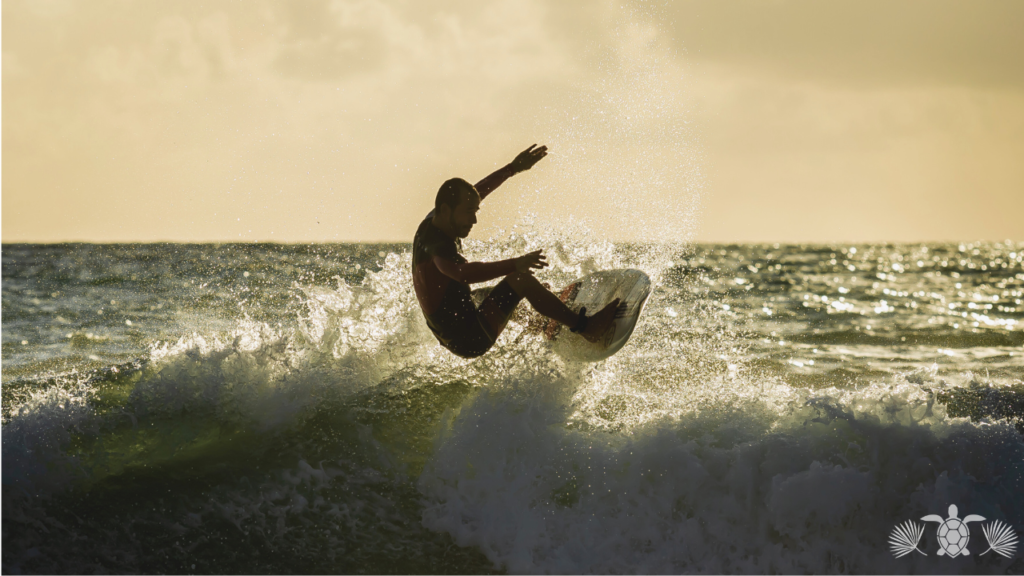
Where to Surf on the Big Island
Finding the right surf spot depends on your experience level and the kind of waves you’re chasing. Luckily, the Big Island offers a variety of surf breaks for beginners, intermediates, and seasoned surfers alike. Here are some top spots to check out:
-
Honl’s Beach (Kailua-Kona) – Just south of downtown Kona, this beach is ideal for beginners and longboarders. It’s also close to several surf schools, making it a great place to take a lesson or rent a board. The waves are mellow on smaller days, and the sunset views are unbeatable.
-
Kahaluʻu Beach Park – Widely considered one of the best beginner surf spots on the Big Island, Kahaluʻu offers slow, rolling waves perfect for learning. It also has nearby gear rentals and lifeguards on duty, making it a safe and convenient choice for first-timers.
-
Lyman’s (near Kailua-Kona) – Located just south of Magic Sands Beach, Lyman’s is a well-known left-breaking wave that works best on a good south swell. It’s ideal for intermediate surfers who are ready to progress beyond the basics and start carving.
-
Pine Trees (Kohanaiki Beach Park) – A local favorite just north of the airport, Pine Trees is known for its consistent surf and welcoming community. The area offers multiple breaks suitable for different skill levels, plus space to hang out and watch the action.
-
Hapuna Beach & Mauna Lani Bay – On the Kohala Coast, Hapuna offers occasional surf with gorgeous white sands and turquoise water. While not as consistent as other spots, it’s a great option for a relaxed beach day with the chance to catch a few waves near the resort areas of Mauna Lani.
Catch the Action Online
Curious what these surf spots look like in action? You can find excellent video footage of Big Island’s top 12 surf breaks on YouTube. Search for “Surf Hawaii – 12 Surf Spots on the Big Island of Hawaii (Tradewinds Trailer)” to get a visual feel for the beaches, wave conditions, and surf scene before you ever set foot on the sand. It’s a fantastic way to get stoked for your trip and decide which spots you want to try first!
Other Beaches To Explore On The Big Island
Other Hawaiian Islands for Surf Enthusiasts
While the Big Island offers its share of memorable breaks, passionate surfers might also want to check out other iconic wave destinations in Hawaii. The legendary North Shore of Oʻahu is world-renowned for its powerful winter swells and surf culture, attracting pros and spectators alike. Over on Maui, spots like Ho’okipa Beach Park and Lahaina offer a variety of challenging waves suited for adventurous riders. Expanding your surf trip to include these islands opens up even more epic lineups and unique experiences across the Hawaiian archipelago.
Surfing Lessons on Big Island
f you’re new to surfing, taking a lesson is the best (and safest) way to get started. The Big Island offers several highly rated surf schools that specialize in beginner-friendly instruction, with lessons taking place at calm, scenic beaches like Kahaluʻu and Pine Trees.
While the Big Island‘s surf scene may not have the fame of Oahu’s North Shore, don’t let that fool you—there are plenty of waves to catch here, especially during the winter months when swells are bigger and more consistent. Summer brings smaller waves and sometimes longer gaps between sets, but you’ll still find beginner-friendly breaks if you know where to look.
Most surf spots for beginners are found on the sunny Kona (west) side, where conditions are typically mellow and welcoming. However, some areas have stronger currents and bigger waves, so it’s wise to stick to designated beginner spots and always heed local advice.
Group vs. Private Surf Lessons: Which Is Right for You?
When booking a surf lesson on the Big Island, you’ll notice options for both group and private sessions. Each has its own perks—and is better suited for different personalities and learning goals.
Group Lessons:
Perfect for beginners, group classes tend to be budget-friendly and social. You’ll learn alongside a handful of other newcomers, which means you can celebrate each wipeout and victory together. The atmosphere is relaxed and encouraging, making it ideal if you’re brand new to surfing or looking for a fun, shared experience with family or friends. Instructors divide their attention among all students, so expect a bit of camaraderie—and maybe some new surf buddies by the end of your lesson.
Private Lessons:
If you’re after more personalized attention or hoping to fast-track your skills, private lessons might be the way to go. You’ll receive one-on-one coaching tailored to your pace and goals, whether you’re a first-timer who prefers individual support or an intermediate surfer looking to refine your technique. Private lessons suit those wanting extra feedback, individualized tips, or a quieter learning environment.
No matter which you choose, Big Island instructors are known for their patience and local knowledge—so you’ll be in good hands as you paddle out for your first wave.
Here are some top picks:
-
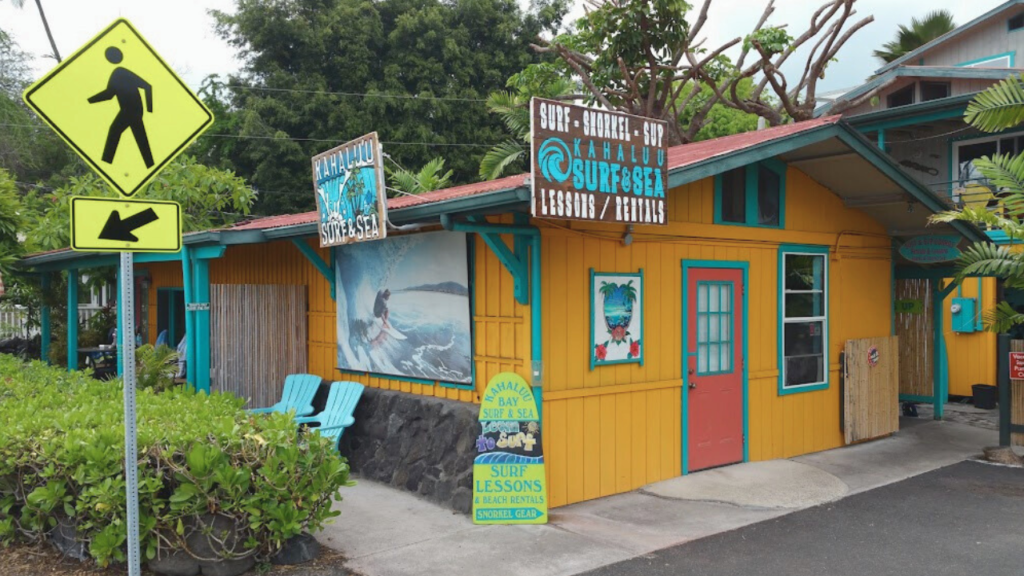
Kahaluʻu Surf & Sea – Located just across from Kahaluʻu Beach Park, this well-loved surf school is known for its welcoming atmosphere and small group sizes. Instructors are patient and encouraging, making it an ideal choice for those feeling a bit nervous on their first wave. Lessons include all the essentials: soft-top boards, rash guards, and reef-safe sunscreen. Most beginner lessons use longboards (8 ft. And up) because they’re much more stable and forgiving than shortboards. Longboards not only paddle faster but also make it easier to catch waves, so you’ll spend less time falling off and more time actually riding. Shortboards, on the other hand, are trickier—they need steeper, bigger waves and aren’t as beginner-friendly. Starting out on a longboard gives you the best shot at standing up and having fun right from your first session.
-
Kona Surf Company – A locally trusted name, Kona Surf Company offers personalized lessons tailored to your comfort level. Their certified instructors prioritize both fun and safety, teaching at beginner-friendly breaks like Kahaluʻu or Pine Trees. Whether you’re going solo or bringing the whole family, they’re great at creating a relaxed and supportive learning environment.
-
Hawaii Lifeguard Surf Instructors (HLSI) – As the name suggests, safety is a top priority here. Many instructors are trained lifeguards who combine years of surf experience with a deep understanding of ocean conditions. HLSI is known for its structured lessons, covering everything from surf etiquette to paddling technique.
Why Take a Surf Lesson Instead of Going Solo?
Stepping onto a surfboard for the first time can feel equal parts exciting and intimidating, but signing up for a lesson makes the learning curve a whole lot friendlier. With a professional instructor at your side, you’ll get clear, step-by-step guidance—everything from how to paddle and pop up, to reading the waves and practicing proper surf etiquette.
Surf schools on the Big Island cater to total newcomers, so you’ll start with the basics in safe, easy-going spots like Kahaluʻu or Pine Trees. Learning in a group or one-on-one means you’ll avoid common beginner frustrations, boost your confidence, and stand a much better chance of actually catching a wave (instead of just paddling in circles or taking a tumble).
Another big perk: most lessons include gear rental, so you can focus on having fun and get right back out on the water after your session—no need to buy or lug your own board. Instructors know the local breaks and can keep you safe, show you the best techniques, and help you progress way faster than you could alone.
Ultimately, taking a lesson kicks off your surf adventure with far more support, fun, and success than trying to figure things out solo. Whether you’re looking to share the laughs in a group class or get personalized pointers from a pro, starting with a lesson will help you feel stoked—and set you up for many more waves to come.
Do Beginners Really Need a Surf Lesson on the Big Island?
While it might be tempting to just grab a board and paddle straight out, booking a surf lesson as a beginner is truly a game-changer—especially on the Big Island. Local instructors know these waves inside and out, and their guidance can make your first session much more enjoyable (and a lot less intimidating).
Surf schools like Kona Surf Company and Hawaii Lifeguard Surf Instructors are staffed with patient pros who will walk you through everything—from safety basics to the proper way to pop up and ride. With their help, most first-timers are standing on their boards within the first lesson. Skip the instruction, and you might find yourself struggling, exhausted, and wondering why surfers seem so cheerful about falling in the water!
Of course, as with any new skill, becoming a confident surfer takes plenty of practice. But starting with a lesson takes away the guesswork and helps you build a solid foundation—setting you up for way more fun as you keep paddling out.
How to Book Surf Lessons and Tours on the Big Island
Ready to trade your sandals for a surfboard? Booking a surf lesson on the Big Island is simple and stress-free, whether you’re a total newcomer or looking to polish your pop-up. Most top-rated surf schools offer both group and private lessons, with several conveniently located along the Kona coast—as well as additional options near resort areas on the Kohala side and in Hilo.
Here’s how visitors can dive in:
- Find Your Fit: Decide whether you’d like to join a small group class or enjoy personalized instruction with a private lesson. Group sessions are perfect for beginners and families, while private options offer targeted coaching for those wanting to refine their skills.
- Pick Your Spot: Popular beginner beaches like Kahaluʻu and Pine Trees near Kona are home to plenty of reputable surf schools, including trusted names like Kahaluʻu Surf & Sea and Kona Surf Company. On the Kohala Coast, many resorts help arrange surf lessons or partner with local outfits. And if you’re on the Hilo side, surfboard rentals and lessons are available, too—just check ahead for surf conditions and availability.
- Book with Ease: Most companies allow easy online booking, letting you choose your lesson date and time in advance. Walk-ins can sometimes be accommodated, but in busy seasons, reserving ahead is your best bet. If you have questions or want to check day-of conditions (especially during variable surf swells), a quick call to the shop or surf school is always wise.
- Flexible Cancellations: Many surf schools offer flexible cancellation policies, letting you adjust your booking up to 24–48 hours in advance, just in case your vacation itinerary (or the Hawaiian weather) changes.
- All Gear Included: Don’t worry about the logistics—boards, rash guards, and sun protection are usually part of the package. Some schools also go the extra mile by providing photos or GoPro rentals, so you can relive your first ride long after your lesson ends.
Most beginner lessons run 1.5 to 2 hours and include pre-surf safety briefings, beach instruction, and plenty of time in the water. Whether you’re just visiting or moving to the Big Island, learning to surf is a must-do Hawaiian experience.
Surf Rentals and Lessons in Hilo
Heading to Hilo and hoping to catch a few waves? While Hilo’s surf scene is a bit more low-key than Kona’s, there are excellent options for both board rentals and surf lessons right in town. Local outfitters like Hilo Ocean Adventures make it easy to rent a surfboard for the day, whether you want a soft-top for gentle waves or a shortboard for more advanced conditions.
For those interested in learning how to surf, keep an eye out for classes offered by community favorites such as Hulakai. These instructors know the local breaks well, offer patient guidance, and ensure a safe introduction to surfing on the often uncrowded east side. Lessons typically include all the gear you need and are tailored to your ability. Hilo’s mellow vibe and friendly surf community make it a welcoming spot to start your surfing journey.
Expanding Your Surf Adventure: Other Hawaiian Islands
While the Big Island holds its own surf charm, true wave chasers may want to broaden their horizons. The legendary North Shore on O‘ahu is world-renowned for its massive winter swells, drawing the best surfers and hosting iconic competitions like the Vans Triple Crown. On Maui, spots such as Honolua Bay and Ho‘okipa Beach offer impressive breaks for experienced riders and unforgettable scenery for everyone.
If you’re hoping to catch more challenging surf or simply experience Hawaii’s diverse wave culture, consider planning a trip to one of these neighboring islands. Each offers its own unique vibe, surf spots, and priceless island memories.
Big Island Surf Shops and Rentals
Not traveling with your own surfboard or gear? No worries—there are plenty of well-stocked Big Island surf shops that make it easy to rent everything you need for a great day in the waves. Whether you’re staying in Kona, Hilo, or somewhere in between, here are some trusted options:
-
Kona Boys Surf Shop (Kailua-Kona) – A longtime local favorite, Kona Boys offers surfboard, SUP, and snorkel rentals with friendly service and expert advice. Located near Kamakahonu Bay, it’s a convenient stop for beachgoers in the Kona area. They also offer guided adventures and surf lessons if you’re looking for a more immersive experience.
-
Kahaluʻu Surf & Sea – Right across from the surf-friendly Kahaluʻu Beach Park, this shop is ideal for beginners and casual surfers. Along with soft-top boards and gear, they provide reef-safe sunscreen and rash guards. Rentals are available by the hour, day, or week—perfect for vacationers who want flexibility.
-
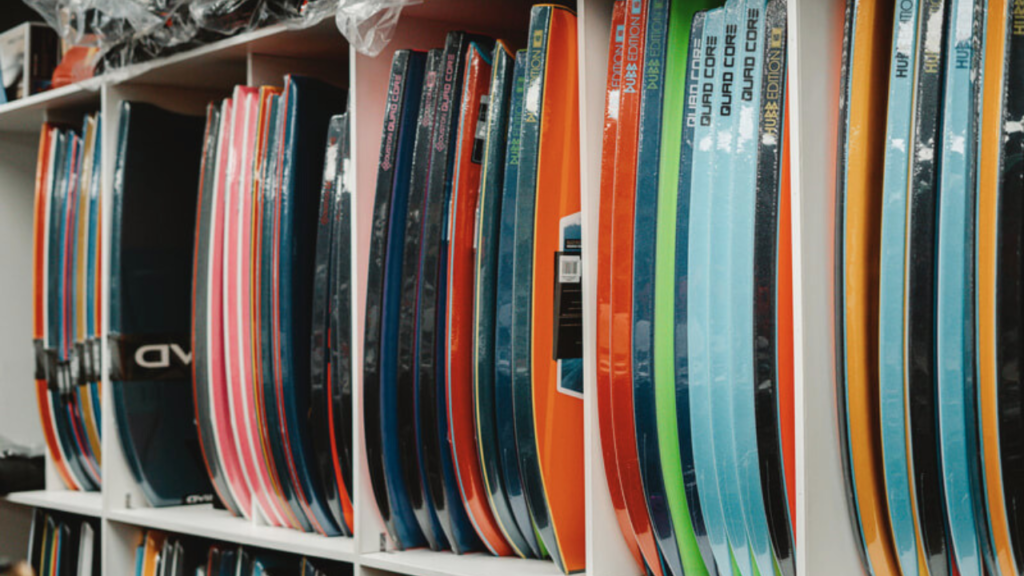
Miller’s Surf (Kailua-Kona) – Located in central Kailua-Kona, Miller’s Surf is known for its laid-back vibe and excellent board selection. They offer both rentals and retail gear, including shortboards, longboards, and bodyboards. It’s a great stop for anyone looking to gear up before hitting nearby breaks like Honl’s or Lyman’s.
Most of these surf shops offer both daily and weekly rental packages, making them perfect for extended stays. And if you’re new to the sport, the staff are usually more than happy to give you tips on the best local spots and conditions.
What Time of Day to Go Surfing on the Big Island
Early morning is generally the best time to surf on the Big Island. The winds are usually calm, the water is glassy, and the crowds are minimal—ideal conditions for catching clean waves. As the day progresses, onshore winds often pick up, making the surf choppier and less predictable.
While you can surf year-round in Hawaii, wave patterns shift with the seasons. Winter months (November to March) bring larger swells to the west-facing shores, like those near Kailua-Kona and Kohala, making them a favorite for experienced surfers. In contrast, summer months (May to September) tend to favor east-facing beaches, like those near Hilo and Puna, with more consistent trade-wind swells.
No matter the time of year, always check the local surf report before heading out. Conditions can change quickly, and knowing the tides, swell size, and wind forecast helps you stay safe and make the most of your session.
Checking the Big Island Surf Report
Before grabbing your board, it’s essential to stay updated on current ocean conditions. Fortunately, getting the latest surf report for the Big Island is simple—just head online. Trusted resources like Magicseaweed, Surfline, and Hawaiian Lifeguard Association all offer real-time updates on wave height, swell direction, tides, and wind. You can also tune into local radio stations or check the weather section of the Hawaii Tribune-Herald for daily forecasts. Keeping an eye on these reports helps you find the best breaks for your skill level and ensures a safer, more enjoyable surf session.
Checking Surf Conditions: Your Secret Weapon
Finding a good surf spot isn’t just about picking a beach—it’s about reading the ever-changing local conditions. Daily shifts in wind and swell direction can make or break the quality of the waves. Before you paddle out, take a few minutes to look up the latest surf report, either in a local newspaper or online. Resources like Surfline, Magicseaweed, and regional weather apps provide up-to-date information on swell size, period, and wind, helping you choose the best spot for your skill level and the day’s conditions.
Staying informed and flexible means you’ll make the most of your time in the water—and stay safer, too.
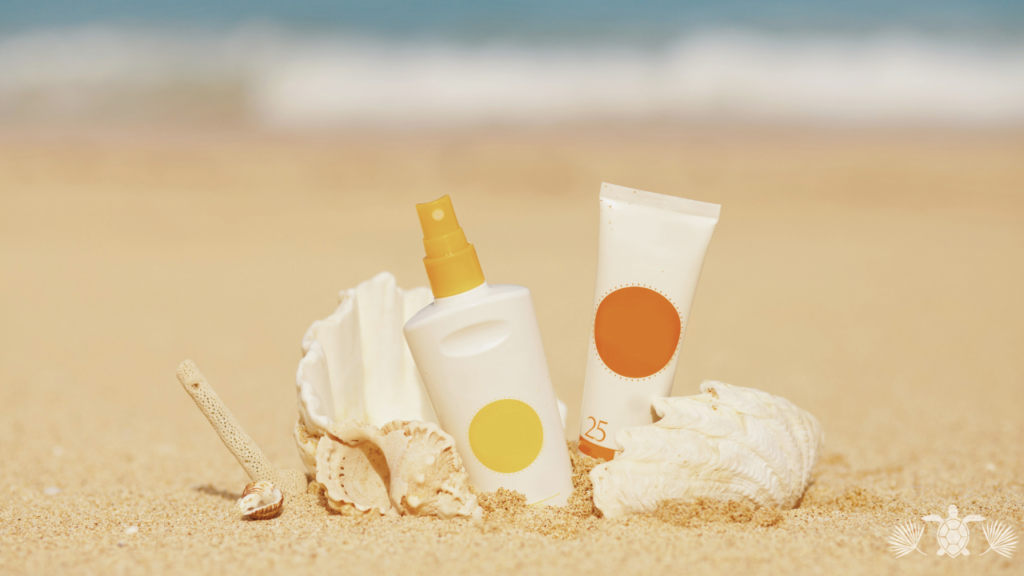
Minimizing Your Environmental Impact While Surfing
Hoping to leave nothing but footprints (and maybe a few happy splashes) on your Big Island adventure? Surfing in Hawai‘i is all about respecting both ocean and ‘āina (land). Here are a few easy ways to tread lightly while enjoying those lessons or tours:
- Choose Reef-Safe Sunscreen: The Big Island’s coral reefs are precious and vulnerable. Always use mineral-based, reef-safe sunscreen (think zinc oxide or titanium dioxide), and skip aerosol sprays.
- Listen to Local Guidance: Certified instructors—especially those with lifeguard backgrounds—know how to keep you safe while protecting wildlife and delicate reefs. Stick to designated entry points, avoid stepping on coral, and heed guidance about ocean conditions.
- Respect Wildlife: Sea turtles, monk seals, and colorful fish call these waters home. Keep your distance and never touch reef creatures—even if a turtle pops up to say aloha.
- Pack Out What You Pack In: Bring a reusable water bottle and stash any trash. Many surf schools offer water refill stations, reducing the need for single-use plastics.
- Support Responsible Businesses: Opt for surf schools and tour operators with a track record of good stewardship. Look for companies involved in local community cleanups, sustainable practices, or environmental education.
By taking a few conscious steps, you can help keep Hawai‘i’s beaches and waves pristine—making sure there’s plenty for future surfers to enjoy.
Final Thoughts: Why Surfing on the Big Island Is Special
From mellow, beginner-friendly beaches to thrilling reef breaks, the Big Island delivers one of the most diverse and rewarding surf experiences in all of Hawaii. Whether you’re renting a board for a spontaneous session, booking a lesson with King Kamehameha Learn to Surf on the Big Island, or carving waves near Mauna Lani Bay, every ride here feels like something unique. With its warm waters, stunning backdrops, and welcoming surf culture, surfing the Big Island is more than just a sport—it’s an experience you won’t forget.
While the Big Island may have fewer beaches and surf breaks than some of its neighbors—thanks to its volcanic youth—it more than makes up for it with character and variety. Many of the breaks here are less crowded, and the lineup often feels friendlier than you’ll find at the more famous spots on Oʻahu or Maui. There’s a sense of history, too: Hawaii is the birthplace of surfing, a sport once reserved for royalty and now open to anyone willing to paddle out.
If surfing is a top priority for your trip, consider exploring other islands as well—Oʻahu’s legendary North Shore and Maui’s classic breaks are just a short hop away. But make no mistake: catching a wave on the Big Island, with its raw beauty and local spirit, is something every surfer should experience at least once.
Ready to make the big island your home? If the thought of living where you can surf year-round excites you, Kailua-Kona offers amazing real estate near some of the island’s best surf breaks.