
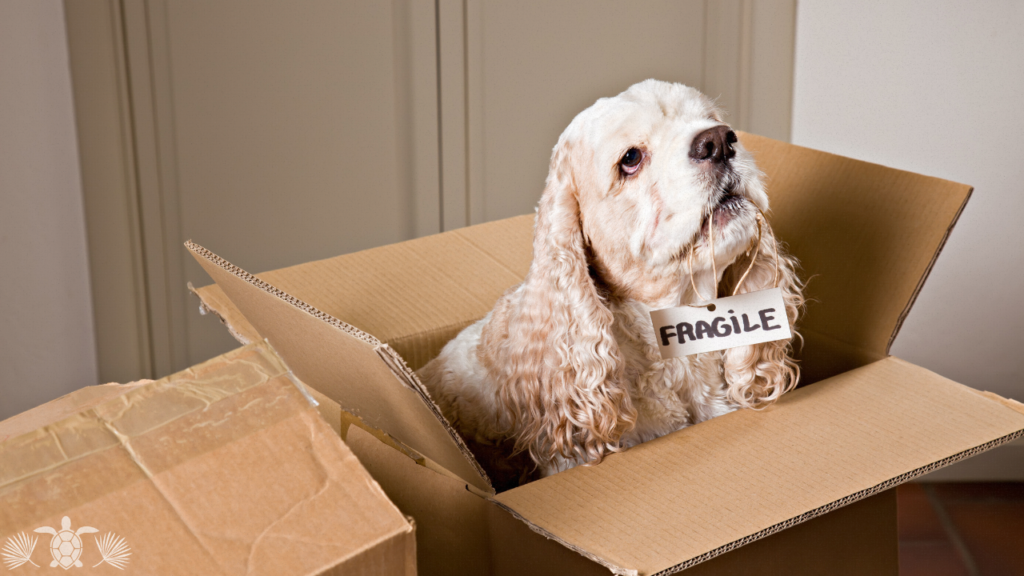
When moving to Hawaii with pets, understanding the rules is key. Hawaii’s strict biosecurity protects its unique environment—but the process isn’t as complicated as it seems. Whether you’re moving with pets to Hawaii as a military family (moving to Hawaii with pets Air Force or moving to Hawaii with pets military), during summer vacation, or permanently relocating, this guide walks you through each step, ensuring your furry or feathered family members arrive safely.

Steps for Moving to Hawaii With Pets
When moving to Hawaii with pets, it’s crucial to follow the state’s strict animal import rules—designed to protect its rabies-free status. To qualify for Direct Airport Release or reduced quarantine, your pet must meet the following requirements:
- Complete all required vaccinations and a rabies titer test — Hawaii is rabies-free, so proof of compliance is strict and non-negotiable.
- Microchip your pet — This must be done before the rabies titer test to ensure tracking and identification match.
- Submit your pet import paperwork to the Hawaii Department of Agriculture at least 10 days prior to arrival—this includes forms, fees, and veterinary records.
- Book pet-friendly travel with airlines experienced in Island Life Transport (ILT). Look for carriers familiar with Hawaii’s entry protocols and climate-sensitive care.
- Arrive and qualify for either quarantine or Direct Airport Release, depending on how well your paperwork and timing align with the state’s entry requirements.
- Welcome your pet home once cleared—some pets can walk right off the plane into island life if everything is in order.
Pets that don’t meet these guidelines will be subject to the standard 120-day quarantine, so planning and timing are key to ensuring a smooth, stress-free move for both you and your furry friend.
Whether you’re moving during summer, PCS season, or the quieter winter months, planning ahead makes all the difference when relocating with pets to Hawaii.
Animal Quarantine and the Direct Release Program
When pets arrive in Hawaii, they must go through either the standard quarantine (up to 120 days) or qualify for the more convenient Direct Release Program.
-
5-day-or-less or 5-hour quarantine options allow pets to go home the same day (typically from the airport) if all criteria are met in advance.
-
To qualify, pets must have two properly timed rabies vaccinations, a passing rabies titer test, microchip identification, and all paperwork submitted correctly and on time.
-
The Direct Release Program significantly reduces stress and is the preferred option for families relocating with pets, allowing for a smoother, quicker transition into island life.
With careful planning and compliance, your pet can skip the long quarantine and start enjoying paradise right alongside you.
Animal Quarantine Information Page

Can You Move with Pets to Hawaii Other Than Cats & Dogs?
Yes—moving to Hawaii with pets or animals other than cats and dogs is possible, but it involves strict regulations and additional steps, especially to maintain the state’s biosecurity and rabies-free status.
-
Birds, rabbits, rodents, reptiles, and farm animals (like horses, pigs, goats, and chickens) can be imported—but each species is regulated differently.
-
You must apply for a Hawaii Department of Agriculture (HDOA) import permit, which outlines required vaccinations, health exams, and quarantine details based on the species.
-
Animals are subject to quarantine periods that vary depending on their origin, health status, and risk of carrying diseases like Newcastle disease, avian flu, foot-and-mouth disease, or swine fever. Quarantine may take place at a designated facility, such as the Halawa Animal Quarantine Station on Oʻahu.
Important Considerations:
-
A Certificate of Veterinary Inspection (CVI) is typically required, issued by a USDA-accredited vet within 7–30 days of travel, depending on the animal.
-
Some animals require lab testing, including disease screening before being granted entry.
-
Certain species are prohibited, including ferrets, gerbils, hamsters (except guinea pigs and rabbits), and most snakes. Always consult Hawaii’s restricted animals list before making plans.
-
Animals typically must arrive through the Honolulu International Airport for inspection and quarantine processing, even if your final destination is another island.
While the process can be complex, it is absolutely manageable with the right preparation. Work closely with your veterinarian, an animal transport specialist, and the Hawaii Department of Agriculture to ensure that your feathered, hooved, or scaled companions arrive safely—and legally—into paradise.
Transporting Livestock into Hawaiʻi
Preparing Your Pet for a Successful Move
A little planning goes a long way in helping your furry companion have a calm, safe journey to Hawaii. Whether you’re relocating permanently or as part of a military PCS, these pro tips can help make the transition smoother for both you and your pet:
-
Get your pet used to their travel crate several weeks before departure. Let them nap, eat, and relax inside it so they feel secure and familiar with their environment during the trip.
-
Pack favorite toys, a blanket, or an item that smells like home to provide comfort and reduce anxiety while in transit.
-
Schedule a vet appointment early to ensure all vaccinations, blood tests, microchip verification, and health certifications are in order. Don’t forget to ask for travel tips specific to your pet’s breed or health conditions.
-
Keep a small supply of food, bottled water, and portable bowls on hand. For long travel days, especially common for military families moving to Hawaii with pets, regular breaks and hydration are crucial (if your route and airline allow for it).
-
Know your airline’s pet policies in advance—including crate dimensions, temperature limits, documentation requirements, and layover procedures.
Relocating pets to Hawaii is absolutely doable—but early preparation is key to making sure they arrive safely and start island life off on the right paw.
Moving To Hawaii With Pets: Working with Pet Movers and Airlines
Relocating with a pet to Hawaii involves a lot of moving parts—but working with experienced pet movers and selecting the right airline can make the process smoother and far less stressful.
-
Professional pet relocation services can assist with everything from vaccination scheduling and microchipping to completing import forms, coordinating flights, and navigating quarantine or Direct Airport Release requirements. Many also help track key deadlines to keep you compliant with Hawaii’s strict regulations.
-
They also provide guidance on crate training, flight comfort, and destination arrival prep, especially helpful for families relocating with multiple pets or moving under tight PCS timelines.
When booking air travel:
-
Choose airlines with direct flights to Honolulu (HNL) or Kona (KOA) to reduce layovers and handling transitions—this minimizes stress and potential delays.
-
Ask about carrier size restrictions, in-cabin vs. cargo options, temperature guidelines, and pet travel fees. Each airline has its own pet policy, and it’s critical to match their requirements with your pet’s size, breed, and temperament.
-
Book early—pet spots can fill up quickly, especially during summer, holidays, and military PCS seasons.
By teaming up with a trusted pet mover and an airline familiar with Hawaii-bound pets, you’ll help ensure a safe, smooth journey for your furry family member.

Additional Considerations When Moving To Hawaii With Pets
Relocating with pets to Hawaii doesn’t stop at the airport—there are a few final steps to ensure a smooth transition into island life:
-
Accommodations upon arrival: Not all rentals or homes allow pets, and many require pet deposits or monthly pet fees. Make sure your housing is pet-friendly before arrival to avoid last-minute surprises.
-
Local vet arrangements: Once you’ve settled in, register your pet with a trusted veterinarian in your new community. This ensures continuity of care, helps in emergencies, and supports long-term health planning in Hawaii’s unique climate.
-
Climate transition: Hawaii’s warmth and humidity can be an adjustment. Ease your pet into their new environment by limiting intense outdoor activity at first, providing plenty of shade and water, and watching for signs of heat stress—especially if they’re a breed sensitive to heat.
With the right preparation, your pet can enjoy island life just as much as you—healthy, happy, and at home.
Key Takeaways for Moving to Hawaii with Pets
-
Hawaii’s strict pet import rules exist to protect its unique, rabies-free ecosystem—but when followed correctly, the entry process can be seamless.
-
With early and thorough preparation, many pets qualify for Direct Release or a minimal quarantine period, avoiding extended separation.
-
Partnering with experienced pet movers, your veterinarian, or Hawaii-specific relocation specialists can greatly reduce stress and ensure all documentation is in order.
-
Plan early, double-check deadlines, and pack a little patience—moving with pets takes effort, but the reward is sharing island life with your furry family member.
Your pet’s journey to paradise starts with a checklist, a timeline, and a trusted team. With the right prep, they’ll be exploring sandy shores and sunny backyards in no time.
Checklist 2 for Requesting Direct Airport Release at Kona
Ready to Move to Hawaii with Pets?
If you’re moving to Hawaii with pets, I’m here to help—whether it’s finding pet-friendly beaches, homes near vet clinics, or local pet services.