
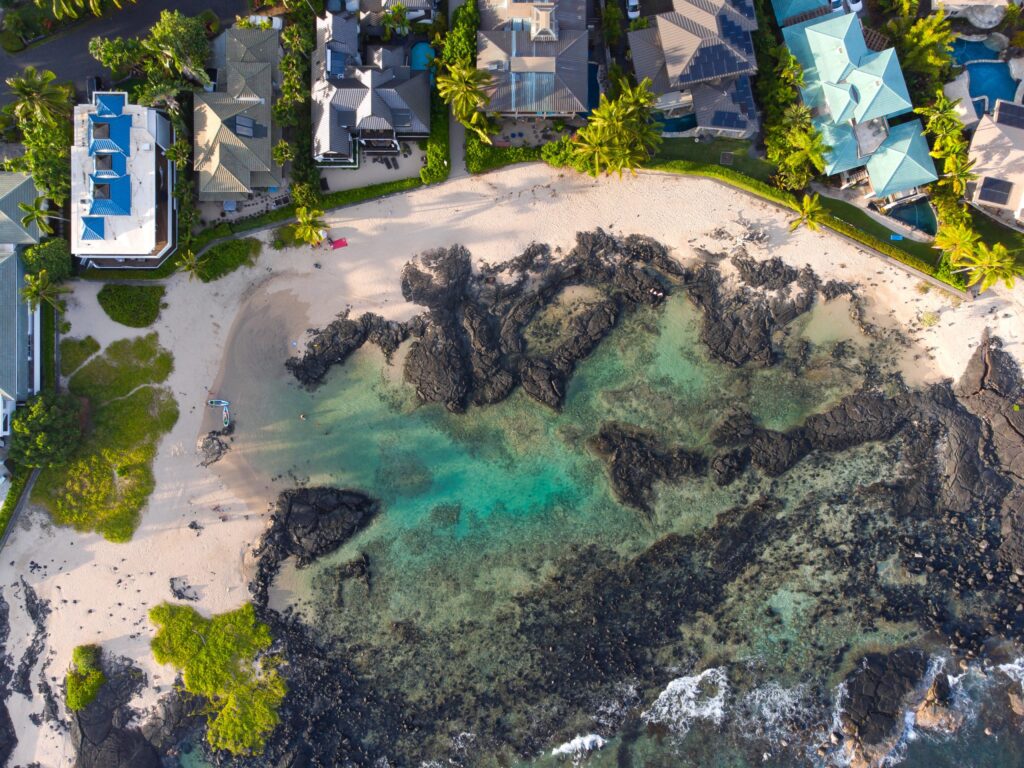
Living in Kona Hawaii offers an unparalleled blend of tropical beauty, outdoor adventure, and unique island culture—but it also comes with its own set of challenges. Below, I’ve embedded a YouTube tour I recently did, then dive into everything you need to know about life in Kona: weather, costs, community, wildlife, and more.
Kona Weather & Climate: Kona Hawaii Weather Live Forecast
One of the first things you’ll notice when living in Kona Hawaii is the consistent sunshine on the west side. Daytime highs average 78–88°F year-round, with minimal rain thanks to the rain shadow cast by Hualālai.
- Kona Hawaii weather live forecast sites will show you mostly sunny skies, with isolated afternoon showers occasionally moving through.
- At higher elevations (Holualoa, Kealakekua), temperatures can be 10°F cooler and enjoy refreshing breezes.
Kona actually means “leeward” in Hawaiian—which, for you non-sailors, means it’s the side of the island sheltered from the prevailing tradewinds. The trade winds, blowing East-Northeast most months of the year, are why Hilo (on the windward side) is known for lush, green rainforests, while Kona enjoys dry, sunny beaches nearly all year. This weather pattern is the secret behind Kona’s endless beach days and Hilo’s frequent afternoon showers.
If you love sunshine and vibrant island life, Kona is the hub of restaurants, bars, outdoor activities, and commerce on the Big Island. Prefer your own quiet retreat surrounded by greenery and privacy? Hilo’s your spot for that. Many people tour both sides of the island before deciding where to settle—some even change their minds after living in one place for a while.
Pro: Endless sunny days perfect for beaches and outdoor activities.
Con: Occasional vog (volcanic smog) from the east can drift over and impact air quality.
Vog, short for volcanic smog, is a form of air pollution that originates from volcanic emissions. The Hawaiian Islands, including the Big Island, are formed by volcanic activity, with active volcanoes like Kīlauea and Mauna Loa contributing to vog. These volcanoes release sulfur dioxide and other gases, creating a smog-like haze.
For those with asthma or sensitive respiratory systems, vog can lead to symptoms such as ear, nose, and throat irritation, breathing difficulties, and fatigue. While some individuals may not notice its effects, others find it significantly impacts their daily life.
Tradewinds typically push vog from the northeast, occasionally bringing it over to the Kona coast. This can result in variable air quality, affecting both residents and visitors. If you’re considering moving to or visiting Kona, it’s wise to research vog and its potential effects on health and lifestyle. Vog (or smog) from the east can drift over and impact air quality.
Living in Kona vs. Living in Hilo: A Tale of Two Sides
When it comes to choosing between Kona and Hilo, you’re really weighing two distinct island experiences—each with its own personality and perks.
Kona sits on the leeward (or sheltered) side of the Big Island, which means—thanks to geography and those reliable East-Northeast tradewinds—you’ll soak in far more sunshine and enjoy drier beaches than you would on the rainy Hilo side. Days here are bright, the coast is dotted with lively communities, and it’s a magnet for those who crave outdoor adventure, ocean views, and modern conveniences. If your idea of paradise is easy access to coffee shops, fresh seafood restaurants, nightlife, and event-filled weekends—Kona won’t disappoint.
Hilo, on the other hand, is the island’s lush, green heart. Frequent rainfall nurtures forests, waterfalls, and vibrant gardens, giving the area a laid-back, small-town feel that attracts nature enthusiasts and those seeking a quieter pace. Here, homes tucked among the trees offer privacy and a more rustic, back-to-nature lifestyle. The trade-off? More rain definitely falls on the Hilo side, so plan for frequent umbrella days (and the bonus of stunning rainbows).
Bottom line:
- Prefer sunshine, beaches, shopping, and a bit of buzz? Kona may be your match.
- Dreaming of rain-soaked greenery, waterfalls, and peaceful seclusion? Hilo could be your haven.
No matter which side you lean toward, the best advice is to spend time in both before deciding—they each offer a distinct flavor of island life, and you might be surprised which one feels like home.
https://youtu.be/_Z1dtEXeCeU?si=4uZ3UDQyKWzSCn-j
Fishing & Outdoor Lifestyle: What It’s Like to Live in Kona, Hawaii
Kona is world-famous for deep-sea fishing. As one viewer noted, “Kona is the only place in the world where blue marlins over 1,000 pounds have been caught in every month of the year.” You can launch a charter within 15 minutes and fish for marlin, tuna, and mahi-mahi.
But fishing is just the beginning—life in Kona revolves around an incredible variety of outdoor activities, thanks to the Big Island’s diverse ecosystem and dramatic landscapes. Whether you’re a beach bum, avid hiker, or volcano enthusiast, there’s no shortage of ways to enjoy the outdoors here.
-
Snorkeling Adventures: Swim alongside honu (sea turtles) at Kealakekua Bay, where the vibrant underwater world awaits. The western coastline is dotted with stunning beaches, from the white sands of Maniniowali Beach to the lively shores at Kamakahonu (King Kam) Beach. Craving something even more unique? Venture a bit further to experience the striking green sand at Papakōlea Beach or the black sands of Punaluʻu.
-
Hiking the Pu‘u Wa‘awa‘a Trails: Discover the unique landscapes of Kona by hiking these trails, offering stunning views and a chance to connect with nature. The Big Island is a hiker’s paradise, with trails winding through historic and sacred sites. Start with Kaloko-Honokōhau National Historical Park on the Kona side—here, ancient Hawaiian trails lead you to sacred temples and petroglyph fields. For a true adventure, the lush Waipiʻo Valley is a must (just be prepared for a challenging drive or consider booking a guided tour).
-
Explore Hawaiʻi Volcanoes National Park: Just a couple of hours’ drive away, this iconic park lets you witness the majesty of one of the world’s most active volcanoes, Kīlauea. Take a scenic 10.6-mile drive around the caldera, peer into Halemaʻumaʻu Crater (home of the volcano goddess Pele, according to Hawaiian legend), or embark on a backcountry hiking trip through dramatic volcanic terrain. If you plan on visiting more than once, consider an annual park pass—it also gets you into Puʻuhonua o Hōnaunau National Historical Park and even Haleakalā National Park on Maui.
-
Delve into History: Visit the ancient sites at Kaloko-Honokōhau National Historical Park, where trails guide you to sacred temples and petroglyphs, offering a glimpse into the island’s rich past.
Whether you’re casting a line for trophy marlin, snorkeling with turtles, hiking to hidden waterfalls, or tracing the footsteps of ancient Hawaiians, Kona’s outdoor lifestyle is as adventurous as you want it to be.
Pro: Unmatched access to ocean and upland adventures.
Con: Outdoor pests—termites, occasional centipedes, and mosquitoes at elevation.
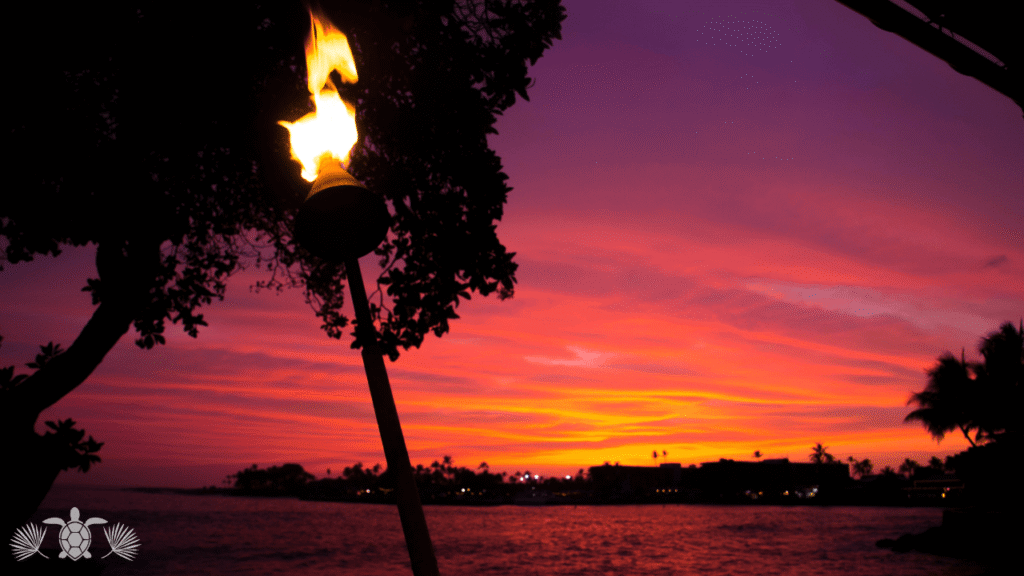
Community, Music & Theater: Live Music in Kona Hawaii
Kona’s social scene is small but vibrant:
-
Live music Kona Hawaii venues include pubs like Foster’s Kitchen and Kona Brewing Company.
-
Kona Hawaii theater live performances pop up at the Donkey Mill Art Center and the Kahilu Theatre in Waimea.
-
Living Social Kona Hawaii deals often feature discounted tickets to concerts, luaus, and dinner cruises.
For those seeking Hawaii sober living Kona support, several community-based homes offer peer support in a tranquil island setting.
Pro: Friendly, tight-knit community with local arts and music.
Con: Fewer options than on Oʻahu—drive times to bigger events can be long.
Working in Kona: Employment Landscape & Key Industries
Thinking about job prospects in Kona? Here’s what you need to know: While the Big Island can have higher unemployment compared to other Hawaiian islands, it’s often on par with or even a bit below Mainland averages. Securing a job before making the move is a smart play, but flexible seekers can still find plenty of opportunities.
’s economic heartbeat is driven by tourism, but that’s just one piece of the puzzle. If you’re mapping out your career path or considering a fresh start, keep these leading industries in mind:
- Tourism & Hospitality: From boutique hotels in Kailua-Kona to surf shops and restaurants along Aliʻi Drive, tourism fuels a large share of local employment.
- Retail and Customer Service: Shops in downtown Kona, farmers markets, and national retailers all play a role in the job market here.
- Healthcare & Social Services: With Kona Community Hospital and a growing population, healthcare is a reliable sector for steady work.
- Education: Schools, private academies, and the University of Hawaiʻi Center bring opportunities ranging from teaching to support roles.
- Construction & Trades: With new homes and resort developments always on the horizon, skilled tradespeople and project managers are in demand.
A quick tip: The pace can be slower, and jobs sometimes fill by word-of-mouth or personal connections, so networking is key. Bring some aloha, keep your options open, and you’ll soon find your spot in the vibrant Kona work scene.
Pro: Opportunities in tourism, healthcare, and education for those with the right skills.
Con: Limited positions in specialized fields; patience—and persistence—pay off in the job hunt.
Shopping in Kona: Big-Box Convenience Meets Local Flavor
Kona balances the best of both worlds when it comes to shopping. Need to stock up on groceries, home goods, or everyday essentials? Major retailers like Costco, Safeway, Target, and Lowe’s offer all the convenience and selection you’d expect on the mainland.
But beyond the big-box stores, Kona’s local businesses add true heart and flavor to community life. Whether you’re searching for 100% locally-grown Kona coffee, island-made soaps, or fresh produce, you’ll find plenty to love:
- Sip estate-grown coffee or sample specialty teas at welcoming cafés dotted through town.
- Browse vibrant farmers markets like the weekly gatherings in Captain Cook, where you’ll find everything from tropical fruit and macadamia nuts to handmade crafts.
- Explore artisan shops for gifts, such as locally crafted bath products made with island botanicals—or pop into neighborhood stores for chocolate farm tours and tasty treats.
- Craving a bite? Local seafood joints, poke spots, and food trucks are go-to stops for fresh flavors and award-winning dishes.
Whether you’re filling your pantry or finding unique gifts, Kona makes shopping a pleasure—with options to satisfy both practical needs and that urge to shop local.
Recommended Local Businesses & Markets for Shopping in Kona
Ready to support the vibrant local economy? Kona boasts a collection of shops and markets that capture the true spirit of the Big Island—perfect for gifts, souvenirs, or a taste of island life.
Explore some standout favorites:
- Sip Kona-grown coffee: Stop by neighborhood cafés to sample famous 100% Kona coffee or soothing hand-blended teas, sourced directly from nearby plantations.
- Farmers’ Markets: Spend your Sunday morning browsing the bustling farmers’ markets in Captain Cook or along Aliʻi Drive. You’ll find just-picked tropical fruits, artisan bread, Big Island honey, and handcrafted treats.
- Local Soap & Skincare: Discover beautifully crafted natural soaps and lotions made with island botanicals. Some shops are part of working farms where you can see coffee and chocolate grown and processed.
- Nuts, Fruit, and Sweet Treats: Look for locally produced macadamia nuts, dried island fruit, and chocolate made from Hawaiian cacao—delicious to sample and easy to take home.
- The Catch of the Day: Hungry? Head to casual poke counters or seafood cafes for ultra-fresh fish—don’t miss the creative twists on classic poke bowls and plate lunches.
Shopping local not only supports Kona’s small-business community, but also offers a fun way to discover the flavors and crafts unique to Hawaiʻi Island.
Building & Housing: What to Know Before You Build in Kona
If you’re planning a custom home in Holualoa or Puu Lani Ranch, check for:
-
HOA and CC&R restrictions on modern designs.
-
How many people live in Kona on the Big Island of Hawaii? About 13,000 in the Kailua-Kona census area, with West Hawaiʻi totals near 75,000.
-
Soil surveys and water-catchment requirements for agricultural zoning.
Pro: Diverse options from oceanfront condos to 10-acre farms.
Con: Land and construction materials are costly, and build timelines can be slow.
Average Rent in Kona: What to Expect
Wondering what you’ll pay to rent a home in Kona? Compared to the rest of Hawaii, Kona offers relatively approachable options, though prices can swing quite a bit depending on location, view, and how swanky (or simple) you prefer things.
As of early 2024, here’s what you can expect for typical long-term rentals:
- 1-bedroom homes: Around $1,200 per month
- 2-bedroom homes: Usually in the $1,800 range
Of course, these are just starting points. Waterfront views, updated kitchens, and modern amenities will bump things up. Searching Craigslist or connecting with local Facebook groups remains a tried-and-true way to uncover the best deals—and some of the island’s best-kept secrets are often found through a friend’s tip rather than a flashy listing.
Overall, renters in Kona enjoy more flexibility than on Oʻahu or Maui, but it still pays to move quickly when you spot a gem.
Jobs & Industries: Major Employment Sectors in Kona
Curious about where most locals work? The Big Island’s workforce is shaped by its natural beauty and vibrant communities, resulting in a blend of classic island and essential service jobs.
Here’s how the numbers stack up for core industries:
- Hospitality and Food Service: 13% of the workforce finds employment welcoming visitors or serving up local flavors.
- Retail: Another 13% work in shops, boutiques, and island markets.
- Healthcare and Social Assistance: 10.5% support the community’s wellbeing, from clinics to care homes.
- Education: 9.2% dedicate their days to schools and learning centers.
- Construction: 8.2% are hands-on building and maintaining Kona’s homes and infrastructure.
In short, whether you imagine yourself hosting guests, teaching keiki, or working on the next beachside lanai, you’ll find a sizeable portion of the local job market rooted in these foundational fields.

Discovering the Best Places When Living in Kona Hawaii
Considering living in Kona Hawaii, the Big Island’s western coast offers a wealth of neighborhoods to fit your lifestyle. Whether you’re looking for vibrant living close to amenities or a peaceful retreat, there is something to suit everyone.
Key Neighborhoods to Explore When Living in Kona Hawaii
- Kailua-Kona
- Vibrant Lifestyle: This bustling hub is perfect for those who thrive with easy access to dining, shopping, and entertainment.
- Scenic Beauty: Enjoy stunning views of the coastline as part of your daily life.
- Laid-back Community: Living in Kailua-Kona means embracing a slower, more relaxed pace rooted in the Hawaiian concept of aloha. Here, kindness, community, and a deep respect for the natural world are part of everyday life. Whether you’re joining a local hula class, pitching in at a beach clean-up, or simply soaking in a sunset along Ali‘i Drive, there are countless ways to connect with neighbors and experience the warm, welcoming spirit that makes Kailua-Kona feel like home.
- Waikoloa Village
-
- Modern Living: Known for its well-planned community layout, this area offers diverse housing options.
- Shared Amenities: Residents benefit from a golf course, tennis courts, and a communal pool.
- Hawaiian Ocean View Estates (HOVE)
- Tranquil Escape: Ideal for those seeking rural seclusion and a peaceful atmosphere.
- Natural Surroundings: Revel in the vast, untouched landscape.
- Holualoa
- Artistic Charm: A favorite among artists, this small town exudes creativity.
- Cooler Climate: Situated at 1,500 feet, it promises pleasant temperatures while offering a unique perspective of the island.
- Kahaluu-Keauhou
- Luxury Living: Known for its breathtaking coastal views, this area suits those with a higher budget seeking exclusivity.
- Refreshing Breezes: The location benefits from a constant cooling ocean breeze.
- Captain Cook
- Family-Oriented: This neighborhood is perfect for families wanting more affordable real estate.
Serene Environment: Enjoy a quiet lifestyle, slightly removed from the busier areas without sacrificing convenience.
Getting Around: Transportation and Connectivity in Kailua-Kona
Even though Kailua-Kona keeps its laid-back, small-town feel, getting in and out—or just around—couldn’t be easier. Kona International Airport (KOA) sits nearby, offering direct flights to the mainland and neighboring islands, making spontaneous getaways or family visits a breeze (goodbye, exhausting layovers).
Navigating the area is straightforward thanks to a well-kept network of highways and local roads. Most residents rely on their own cars for daily life—no surprise given the island’s spread-out layout—but there are practical alternatives. The Hele-On Bus connects Kailua-Kona to other parts of the Big Island for a budget-friendly ride, and local shuttles or rideshares (hello, Uber and Lyft) provide backup when you’d rather skip the parking hunt downtown or after a sunset cocktail.
Whether you’re jetting off, commuting, or just running errands, Kailua-Kona’s connectivity keeps island life convenient without losing that signature Hawaii charm.
Considerations for Your Move
Each of these neighborhoods offers its unique blend of advantages, so the choice ultimately depends on your preferences for lifestyle and budget. Whether you prioritize community amenities, tranquility, or convenience, Kona has a spot that can warmly welcome you to island life.
Should I Ship My Car to Hawaiʻi?
Deciding whether to ship your car to Hawaiʻi is a big decision with several factors to consider. Here’s a guide to help you weigh your options:
Evaluate Your Car’s Condition
- Older Vehicles: If your car is nearing the end of its life, it might not be worth the investment to ship it across the ocean. Consider selling it before you move.
- Luxury or Classic Cars: Shipping a specialty vehicle? Think twice. Hawaiʻi‘s terrain and salty sea air can be harsh on cars, especially those maintained in mint condition.
Practicality of Vehicle Type
- Trucks and SUVs: If your vehicle is a truck or has four-wheel drive, it could be highly useful in Hawaiʻi. The versatility of these vehicles is ideal for navigating the island’s diverse landscapes.
Financial and Logistical Considerations
- Shipping Costs: Weigh the cost of shipping against buying a new or used car once you arrive. Shipping a car can be an expensive process.
- Availability of Services: Certain car brands may have limited repair services or parts available on the islands, impacting maintenance costs and convenience.
Environmental and Lifestyle Factors
- Public Transportation and Biking: Depending on where you settle, public transportation or options like biking might be convenient alternatives that negate the need for a car.
Other Factors to Weigh
Island Differences Can Matter
Each Hawaiian island has its own unique personality and practical considerations when it comes to owning a vehicle. For example, on the Big Island, distances are greater and having your own car can be more important, especially if you plan to live outside of the main towns. On Oʻahu, particularly in Honolulu, public transportation options like TheBus are robust, and certain neighborhoods are very walkable or bike-friendly.
Climate and Terrain Impacts
The salty air, frequent rain in some areas, and volcanic vog can accelerate wear and tear on vehicles, especially on exposed paint and metal. If you’re moving to a region with more rugged roads or higher elevations—like parts of Maui’s Upcountry or the slopes of Mauna Kea on the Big Island—having a sturdy or all-wheel-drive vehicle can be a real asset.
Parking and Insurance
Parking can be at a premium in more urban or densely populated areas, so factor in whether your future home has reserved parking or if you’ll need a residential permit. Also, check with your insurance company about any policy changes or rate adjustments when moving your vehicle to Hawaiʻi.
Ultimately, deciding whether to ship your car to Hawaiʻi involves evaluating your vehicle’s condition and utility, alongside personal and financial factors. Take time to consider your future lifestyle, the island you’re moving to, and how much you’ll actually need a car day to day. With a little planning, you’ll make a choice that fits your new Hawaiʻi life.
Wildlife & Pests: Pros and Cons of Living in Kona Hawaii
Kona’s wildlife is both a draw and a reality check:
-
Humpback whales migrate offshore in winter.
-
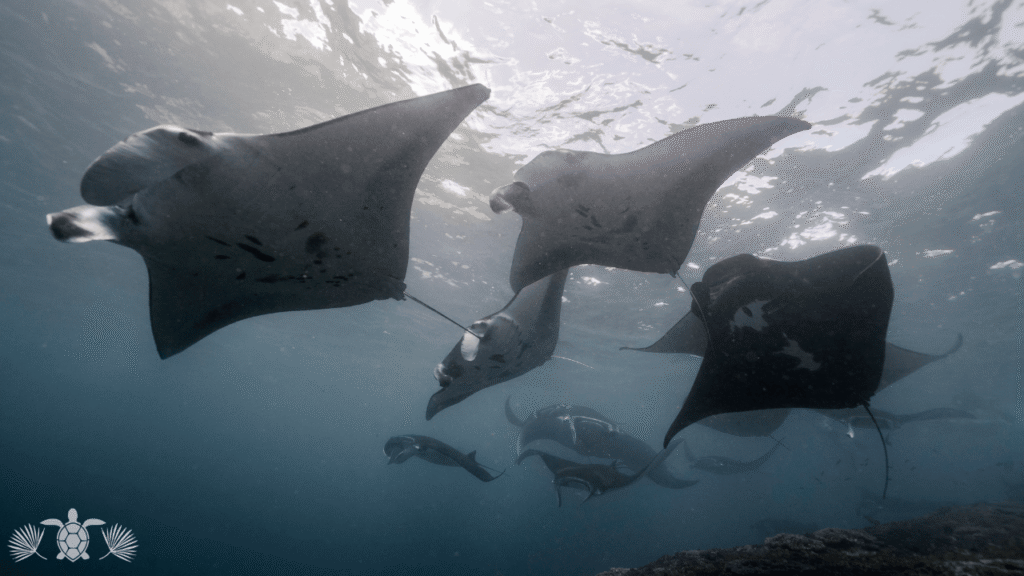
Tropical fish, manta rays, and spinner dolphins frequent our bays.
-
Scorpions and centipedes are rare; mosquitoes more common in wetter upcountry areas.
Pro: Incredible wildlife encounters right from your home lanai.
Con: You’ll need regular termite inspections and occasional pest control.
Can I Bring My Cat or Dog to Hawaiʻi?
Absolutely, but there are essential steps you’ll need to follow to ensure a smooth journey for your pet. Hawaiʻi, being rabies-free, enforces strict regulations on importing animals to maintain this status.
Steps to Bring Your Pet to Hawaiʻi:
- Direct Airport Release Program:
- If all paperwork and preparations are in order, your pet could accompany you home immediately upon arrival, thanks to the state’s Direct Airport Release program.
- Vaccination and Testing Requirements:
- Collaborate with your veterinarian to ensure your pet is up-to-date on vaccinations.
- Your pet must also pass specific tests to meet Hawaiʻi’s health standards.
- Avoiding Quarantine:
- Failing to meet the health and vaccination requirements may result in your pet being placed in quarantine. Ensure all tests and vaccinations are completed well in advance of your travel date.
- Neighbor Island Inspection Permit:
- If your destination is Kona or any other neighbor island, secure a “Neighbor Island Inspection Permit.”
- This permit is essential and must be presented before you board your final flight to Kona.
By understanding and adhering to these requirements, you can enjoy a hassle-free move with your furry friend to the beautiful islands of Hawaiʻi.

Living in Kona Hawaii Pros and Cons: Final Thoughts
Living in Kona Hawaii pros and cons often balance adventure with cost:
-
Pros: Sunshine, outdoor lifestyle, low property taxes, strong community vibe.
-
Cons: High cost of living, limited infrastructure, occasional vog, and island pests.
Despite its laid-back charm, Kona isn’t immune to the high costs associated with island living. The Missouri Economic Research and Information Center ranks Hawaiʻi as the priciest state, and Kona reflects this, especially in terms of groceries, utilities, and healthcare.
To live comfortably in Hawaiʻi County, a single adult requires an hourly wage of $28.73 to meet basic needs like food and housing. For families, the numbers rise substantially:
- 2 Adults (1 Working), 0 Children: $49.87
- 2 Adults (1 Working), 1 Child: $67.97
- 2 Adults (Both Working), 2 Children: $77.01
These figures highlight the financial reality, where essentials are just the beginning. Costs for extras like dining out or entertainment add up quickly.
However, there is a silver lining. Real estate prices on the Big Island are generally the most affordable in the Hawaiian chain. If owning a home in paradise is on your bucket list, Kona might just be the place to make that dream a reality.
Ultimately, living in Kona Hawaii is about embracing aloha—slower pace, natural beauty, and tight-knit communities. If you’re ready to explore real estate options—from cost of living in Kona Hawaii condos to multi-acre estates—let’s connect.
Why a Local Real Estate Expert Matters in Kona
Navigating Kona’s real estate market is a unique adventure all its own. With everything from oceanfront condos to sprawling hillside estates on offer, finding your place in paradise involves more than scrolling Zillow. The region’s popularity, competitive inventory, and diverse neighborhoods mean the right guidance can save you time, money, and a few headaches.
A seasoned local agent brings:
- Insider knowledge of hidden gems and upcoming listings that never make the big websites
- Expertise in property values specific to Kona neighborhoods, so you know when a listing is a real deal—or just real expensive
- Guidance on local building codes, HOA rules, flood zones, and quirks like cesspools or lava zones (yes, those are a thing)
- Strong negotiation skills honed by maneuvering in Hawaiʻi’s fast-moving market
Simply put, an experienced real estate agent helps you navigate Kona’s unique landscape—ensuring you don’t overpay for that dreamy lanai or overlook key details about your future home. Whether you’re after a surfside condo or a private retreat mauka (mountain-side), having a trusted guide can make all the difference in a place as special as this.