
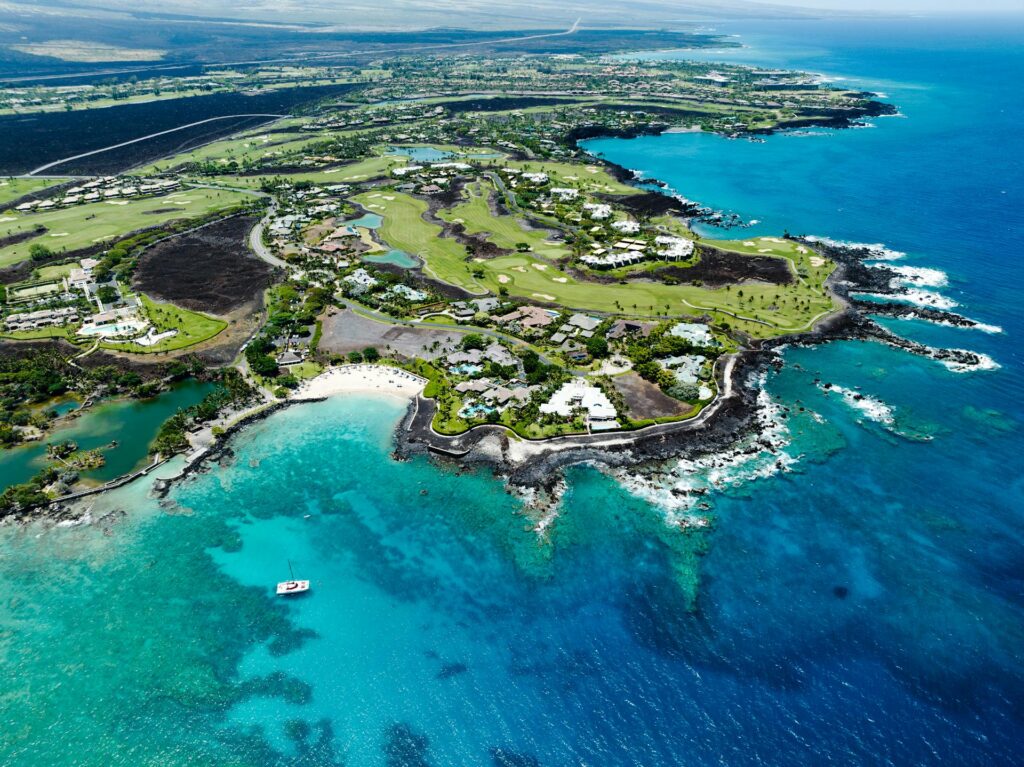
Thinking about making Hawaii your new home? You’re not alone. Every year, thousands dream of living in Hawaii, drawn by its beautiful beaches, warm climate, and laid-back lifestyle. But just like anywhere, there are important realities to consider. Today, I’m breaking down the living in Hawaii pros and cons to help you decide if island life is truly right for you.
If you’re curious about specific islands, relocating for retirement, or even teaching in Hawaii pros and cons, this guide will give you honest, local insights you won’t find anywhere else.
Weather: The Good, the Bad, and the Tropical
One of the first things to understand about living in Hawaii is the incredible range of weather patterns you’ll experience—especially on the Big Island, which features 8 of the world’s 13 sub-climates. When considering living in Hawaii pros and cons, weather often tops the list. For example, Kailua-Kona on the west side is known for its dry, sunny days, while Hilo on the east side can receive more than 130 inches of rain each year.
Pro: You can actually choose a climate that fits your lifestyle—whether that’s hot and sunny, cool and misty, or lush and tropical.
Con: No matter where you settle, expect periods of heat and humidity. Hawaii’s climate can be a major adjustment, especially if you’re relocating from cooler or more arid parts of the mainland.
Daily Life in Hawaii’s Weather
Living in Hawaii means embracing the outdoors almost year-round, with daytime temperatures typically hovering in the 80s. This allows for a lifestyle filled with beach days, hiking, and water sports. However, the ‘winter’ months bring a bit more rain, especially in areas like Hilo, which could affect your daily plans.
Natural Disasters and Environmental Challenges
Despite the allure of its climate, Hawaii is not without its environmental challenges. Residents need to be prepared for:
- Volcanic Activity: On the Big Island, the ongoing activity of Kīlauea can result in VOG (volcanic smog) and lava flows.
- Hurricanes: While not as frequent as in the Atlantic, hurricanes pose a seasonal threat.
- Tsunamis, Earthquakes, and Flash Flooding: These natural disasters are rare but possible.
- Wildfires: These can occur during dry spells across the islands.
Water Sports: Endless Options at Your Doorstep
One of the undeniable perks of living in Hawaii is the sheer variety of water sports that become part of daily life. Whether you’re an experienced surfer or just testing the waters, there’s something for everyone. Surfing is a way of life here, with uncrowded breaks found all over the islands—often more accessible and inviting than popular mainland spots like those in California.
But that’s just the beginning. Residents and visitors regularly dive into activities such as paddleboarding, outrigger canoe paddling, windsurfing, kiteboarding, snorkeling, and scuba diving. If you’re drawn to more adrenaline-fueled experiences, bodyboarding, bodysurfing, and spearfishing are also popular—all set against the backdrop of Hawaii’s legendary waves and crystal-clear waters.
No matter your skill level or preferred pace, the ocean is always right outside your door, ready for a spontaneous adventure. This easy access to world-class water sports is a big part of what attracts athletes and outdoor enthusiasts, making it a true paradise for anyone who loves the sea.
Ocean Conditions
Additionally, the surrounding ocean’s strength is a daily consideration. With no land to buffer the waves, rip tides and powerful shorebreaks are common, making ocean safety a top priority for both visitors and residents.
In essence, Hawaii’s weather is a mix of stunning beauty and awe-inspiring power, offering a unique lifestyle that keeps you both enchanted and vigilant.
https://youtu.be/ergLn29S7kI?si=xRGDGpaiWwqnbsLu
Daily Life in Hawaii’s Weather: Sunshine and Surprises
When exploring the living in Hawaii pros and cons, the weather often plays a starring role. Daytime temperatures typically hover in the 80s, allowing for a lifestyle centered around the outdoors—beach days, hiking, surfing, and more. Living in Hawaii means enjoying nature year-round. However, the winter months bring more rain, particularly in places like Hilo, which can occasionally disrupt your daily routine.
Natural Disasters and Environmental Challenges
Another important aspect of living in Hawaii pros and cons is understanding the island’s environmental challenges. While the climate is undeniably beautiful, residents should be prepared for:
-
Volcanic Activity: Especially on the Big Island, where Kīlauea‘s eruptions can bring lava flows and VOG (volcanic smog).
-
Hurricanes: These are less frequent than in other tropical regions but still pose a seasonal risk.
-
Tsunamis, Earthquakes, and Flash Floods: These natural disasters are rare, but they do occur.
-
Wildfires: Particularly during dry seasons, fires can impact more rural or brush-covered areas.
Ocean Conditions
Additionally, the surrounding ocean’s strength is a daily consideration. With no land to buffer the waves, rip tides and powerful shorebreaks are common, making ocean safety a top priority for both visitors and residents.
In essence, Hawaii’s weather is a mix of stunning beauty and awe-inspiring power, offering a unique lifestyle that keeps you both enchanted and vigilant.
Cost of Living: Island Paradise Comes at a Price
When it comes to living in Hawaii pros and cons, the cost of living in Hawaii is one of the most important factors to understand. Because nearly everything—from groceries to building supplies—must be imported, prices across the board are higher than on the mainland. In fact, Hawaii consistently ranks among the most expensive states to live in the U.S.
Pro: Property taxes are surprisingly low compared to most mainland states, and farmer’s markets help you save on fresh produce.
Con: Housing is expensive. The average home price in Kailua-Kona is around $1.3M, and utilities, water, and insurance costs are significantly higher. How much does it cost to live in Hawaii? You’ll need to plan carefully.
To give you a clearer picture, here are some specific numbers to consider:
- $211: Average monthly household electricity bill
- $3,222: Typical monthly housing cost for a family of four
- $537: Typical monthly transportation costs for a family of four
- $1,354: Typical monthly food costs for a family of four
These figures highlight the financial demands on residents. Many families find themselves budgeting meticulously, often taking on multiple jobs to manage the high expenses. While options like a Costco membership can help reduce grocery bills, they require careful planning to avoid waste. And while farmer’s markets can be a more affordable choice, picking the right produce is key.
Despite the challenges, many choose to endure the costs for the unparalleled beauty and lifestyle Hawaii offers, deciding that paradise is indeed worth the price.
Smart Strategies for Tackling Hawaii’s High Costs
Still, there are practical ways residents stretch their dollars in the islands. For starters, a Costco membership is practically a rite of passage—buying in bulk can lower per-item costs, as long as you’re organized and avoid letting food spoil before you use it. Regular visits to local farmer’s markets also help families score deals on fresh produce, though savvy shoppers know to check prices and quality closely.
Budgeting is key. Conscious meal planning, tracking household expenses, and sharing resources with neighbors or friends are all common strategies. Many locals also swap tips on the best times and places to shop, making it a community effort to manage expenses.
With a blend of resourcefulness and community sharing, Hawaii residents find creative ways to make life in paradise more affordable.
When exploring U.S. destinations, Hawaiʻi stands out with its impressive average home value. Let’s compare this tropical paradise to other popular states known for their real estate allure:
Average Home Values by State
Looking at the real estate side of living in Hawaii pros and cons, Hawaii holds the top spot for average home value in the U.S.:
- Hawaiʻi: As of the latest data, Hawaiʻi holds the crown for the highest average home values, surpassing other notable locations.
- California: Known for its sunny beaches and vibrant cities, California has an average home value of $773,363.
- Washington: This Pacific Northwest state, famous for its lush landscapes, has an average home value of $591,888.
- Florida: The Sunshine State, with its endless coastline, offers homes at an average value of $394,728.
- Texas: Known for its vast lands and bustling urban centers, Texas has an average home value of $301,627.
In summary, Hawaiʻi remains at the forefront when compared to these states, emphasizing its premium real estate market.
Is Condo Living More Feasible in Hawaii?
When weighing the living in Hawaii pros and cons, one common challenge is the high cost of single-family homes. For many, owning a house in paradise can feel out of reach—but condominium living offers a more feasible alternative. According to the Hawaiʻi Living blog, a notable 60% of Oʻahu residents dwell in condos instead of single-family homes. Let’s explore why condo living might be a more realistic option.
Financial Accessibility
Condominiums often require a smaller financial commitment than traditional homes. For example, the median price for an Oʻahu condo was $499,000 as of August 2024. This price point may align better with diverse family structures and financial plans, making homeownership in Hawaii more attainable.
For those comparing living in Hawaii pros and cons, condos often strike a better balance between lifestyle and cost, especially for young professionals, first-time buyers, or retirees.
Lifestyle Advantages
Life in a condo is typically low-maintenance, requiring less upkeep and offering more freedom. This can appeal particularly to those who seek a relaxed lifestyle without the pressures associated with maintaining a standalone property. Additionally, many condos come with enviable ocean views usually reserved for the most expensive single-family homes.
Ideal for Various Demographics
Condos cater to a wide range of people—from seniors looking for convenience to individuals and families seeking to reduce household responsibilities. In Hawaii, the variety spans from budget-friendly options to luxurious spaces with premium amenities.
In summary, for those considering a residence in Hawaii, condominium living could indeed present a more feasible and attractive option than buying a single-family home.

How Hawaii‘s Geography Influences Travel Costs and Accessibility
When evaluating the living in Hawaii pros and cons, one factor that stands out is the state’s geographic isolation. Located more than 2,500 miles from Los Angeles, Hawaii is one of the most remote inhabited archipelagos in the world. While this remoteness contributes to its beauty and allure, it also presents logistical and financial challenges—especially when it comes to travel.
Long and Costly Flights
Traveling from Hawaii to any major mainland U.S. destination requires a long journey. Expect flights of at least five hours to the closest U.S. cities. Prices for these flights fluctuate based on season and destination, but here’s a quick snapshot:
- Los Angeles: Approximately $325 round-trip
- Seattle: Around $390 round-trip
- New York: About $498 round-trip
- Chicago: Roughly $461 round-trip
These figures highlight the financial commitment necessary for Hawaiians to travel to the mainland or vice versa.
The “Island Fever” Effect
A lesser-discussed aspect of living in Hawaii pros and cons is the feeling of island fever—a sense of isolation that can develop over time. While Hawaii offers unmatched natural beauty and a slower pace of life, some people may feel restricted by the limited land area and lack of easy access to neighboring cities or states.
Unlike mainland residents who can drive across state lines, Hawaii residents rely solely on air travel for long-distance trips, making spontaneous travel or quick getaways more challenging and expensive.
In summary, Hawaii’s isolation imposes financial and logistical challenges for travel. This affects not only the residents but also visitors who need to plan carefully around time and cost if they wish to explore beyond the islands.
Discover Flight Prices from Hawaii to Top Destinations
Planning a trip from Hawaii? Here’s a snapshot of average round-trip airfare to key locations:
Mainland U.S. Destinations:
- Los Angeles: Fly to the City of Angels for around $325.
- Seattle: Experience the Emerald City with fares averaging $390.
- New York: Visit the Big Apple for approximately $498.
- Chicago: Explore the Windy City at an average cost of $461.
Key Asian Destinations:
- Japan: Journey to the Land of the Rising Sun for about $688.
- Korea: Experience South Korea with average flights costing $948.
- Shanghai: Discover China’s bustling heart for roughly $885.
- Manila: Head to the vibrant capital of the Philippines for around $931.
Whether you’re traveling domestically or venturing to Asia, these flight estimates provide a great starting point for planning your next adventure. Adjustments may occur, so check current rates for the best deals!
Why Relocating to Hawaii Is Simpler for Americans Than Moving Abroad
One often overlooked advantage on the list of living in Hawaii pros and cons is just how straightforward it is for Americans to make the transition. As a U.S. state, Hawaii spares newcomers the headaches typically involved with overseas moves. There’s no need for passports, work visas, or unfamiliar currency exchanges—your existing U.S. banking ties and financial accounts all still work seamlessly.
You’ll also find that day-to-day essentials feel familiar. Roads are well maintained, and signage is just like what you’re used to back on the mainland. Have a Costco or Target membership? Good news—those big-box favorites are here too, along with services like Amazon Prime (with a few shipping restrictions). Transferring your driver’s license is a breeze, with the process mirroring what you’d find in other U.S. states.
Put simply, relocating to Hawaii means embracing an island lifestyle without the complex paperwork or culture shock often associated with international destinations. This convenience makes the leap to paradise far less intimidating for Americans making Hawaii their new home.
Infrastructure: Laid-Back, But Plan for Delays
When it comes to infrastructure, there are distinct living in Hawaii pros and cons compared to Oahu or Maui. In Kona, traffic is minimal and the free Kailua-Kona trolley offers surprisingly good public transportation. In contrast, Hilo’s east side sees heavier traffic due to a higher population.
Pro: Minimal traffic and easy commutes on the west side.
Con: Limited road systems mean accidents or fallen trees can cause major delays. Plus, no freeways—everything moves island-style.
But what about traffic conditions across the rest of Hawaii? You might be surprised to know that congestion is a common concern on other islands as well. Oʻahu’s highways, for instance, can get awfully crowded during rush hour. Similarly, onMaui, Kauaʻi, and the Big Island, commuter traffic, school traffic, and construction can lead to slowdowns and delays.
To navigate these challenges, avoiding travel during peak hours is advisable. This strategy helps reduce the likelihood of being caught in traffic, allowing you to enjoy the scenic drives Hawaii is known for at a more relaxed pace.

Exploring the Challenges and Costs of Building an Off-Grid Home in Hawaii
For many, the idea of living off-grid in Hawaii conjures up peaceful mornings, lush surroundings, and complete independence. But before making the leap, it’s essential to understand the real-life challenges and financial commitments that come with this lifestyle—especially when considering the broader living in Hawaii pros and cons.
Infrastructure: The Initial Hurdle
Building an off-grid home means you’ll be responsible for creating your own infrastructure from scratch. While the land might be affordable, expect a substantial initial investment in essential utilities. Here’s a closer look at what’s involved:
- Water Supply: Setting up a water catchment system is just the beginning. If you aim for pressurized water in your home, you’ll need a pump, a pressurizer, and a system for water purification. These components are crucial for making the water safe for everyday use.
- Power Generation: Solar energy is a popular choice for off-grid power. This setup typically includes solar panels, an inverter, and possibly a battery storage system to ensure a steady power supply. Each component adds to the upfront costs but can lead to long-term savings.
What Is Off-Grid Living in Hawaii—and How Common Is It?
Living off-grid in Hawaii is more than just a trend—it’s a practical solution embraced by a sizable and growing community. In short, off-grid living means creating your own independent systems for water, electricity, and often even waste management, rather than relying on municipal services. With Hawaii’s abundant sunshine and frequent rainfall (at least in the right areas), it’s not uncommon to see rooftops sparkling with solar panels and large rainwater catchment tanks standing beside homes, especially on the Big Island.
Why is this lifestyle so popular? For many residents, the island setting highlights limitations in public utility infrastructure. Some remote communities don’t have access to traditional water or power lines, making self-sufficiency a necessity rather than a choice. As a result, going off-grid has become a well-established and increasingly mainstream way of life, particularly outside city hubs.
You’ll also find a broader, eco-conscious culture here. Many Hawai‘i residents are keen on reducing their environmental impact, whether by generating their own electricity, collecting rainwater, or simply cutting back on utility bills—which, let’s face it, are notoriously high in the Aloha State. The local and state governments have set ambitious clean energy targets, and the islands attract people who value a sustainable, leave-no-trace lifestyle.
If you dream of living closer to nature, nestled on your own piece of paradise, you’ll be in good company. Off-grid neighborhoods often build tight-knit support networks, exchanging tips, tools, and sometimes surplus harvests with one another. Just be aware: rainfall and sun exposure vary dramatically from one part of an island to another, so a little research goes a long way in choosing your perfect off-grid patch of Hawaii.
Financial Considerations
Among the most important aspects of living in Hawaii pros and cons is the cost of going off-grid. It’s not just about buying land—it’s about everything you’ll need to make that land livable:
- Upfront Investment: The initial costs for utilities like water and power can be substantial. Planning and budgeting for these expenses is crucial to avoid surprises.
- Maintenance Costs: Once your systems are up and running, they’ll require regular maintenance. This ongoing cost is an important part of living off-grid.
- Permits and Regulations: In Hawaii, complying with local regulations and obtaining necessary permits can incur additional expenses and complexity.
The Value in Investment
While the challenges are real, many people say the benefits far outweigh the difficulties. Living off-grid in Hawaii offers a unique sense of freedom, sustainability, and a deeper connection to nature—something that’s hard to replicate elsewhere.
In the grand picture of living in Hawaii pros and cons, off-grid living requires effort and resources—but the rewards can be life-changing for those who are prepared.
Island Culture: A Warm Aloha Spirit…If You Embrace It
One major positive about living in Hawaii pros and cons is the opportunity to immerse yourself in true Hawaiian culture. The Big Island is a melting pot of traditions, and locals are generally welcoming—if you respect their home.
Pro: Genuine, friendly community and a deeply rooted sense of aloha.
Aloha isn’t just a word you use to say hello or goodbye. It’s an integral part of life in Hawaii, a philosophy of kindness, compassion, and respect. You’ll feel it when someone lets you cross the street with a smile or when a neighbor goes out of their way to help you with a task. This spirit of aloha is a cornerstone of Hawaiian life, creating a community where patience and friendliness are highly valued.
There’s a reason why stories of the Hawaiian goddess Pele emphasize the importance of helping others. Those who offer assistance are rewarded, while those who refuse are not. These tales reflect a culture that prizes community and care, values you’ll find alive and well in Hawaii today.
Con: If you fail to respect the culture or arrive with a “mainland mentality,” you may find it harder to integrate. Living in Hawaii pros and cons are often tied to your attitude and openness.
To truly connect with Hawaiian culture, consider diving deeper into local traditions. Get involved in activities like hula or attend an authentic slack-key guitar show. Explore historic sites such as ‘Iolani Palace to gain a richer understanding of the past. While the typical images of mai tais and grass skirts are abundant, uncovering the true cultural gems requires a bit of effort—but the rewards are worth it.
In short, embracing the aloha spirit and engaging with the community can help you feel like a part of Hawaii, even if the islands never fully feel like “yours.”
Is Hawaiʻi as “Far-Flung” as You Imagine?
Let’s clear up a common myth: if your dream is to move somewhere that feels entirely foreign—where every daily encounter is a plunge into the completely unfamiliar—Hawaiʻi might surprise you.
While Hawaiʻi is thousands of miles from the mainland and dazzles with scenery and culture all its own, it doesn’t always deliver the all-in, “lost-in-translation” experience that living in places like rural Thailand, Morocco, or Patagonia might offer. English is the primary language, many U.S. conveniences are right at your fingertips (hello, Costco and Home Depot), and day-to-day life may feel more familiar than expected.
That’s not to say Hawaiʻi lacks its own distinct vibe. The islands are rich with cultural diversity—Native Hawaiian traditions, East Asian influences, Portuguese malasadas, Japanese temples nestled next to classic American diners—but you won’t feel quite as off-the-grid as you might in a true overseas expat destination. Instead, you’ll experience a blend: a place where the unfamiliar is woven seamlessly into the familiar.
So, if your idea of “far-flung” means wandering open-air markets and learning a brand-new language from scratch, Hawaiʻi might feel more like an enchanting blend than a dramatic departure. But if you’re after unique landscapes, vibrant local customs, and an everyday life that’s refreshingly different from the mainland—without sacrificing your ability to order a double cheeseburger—then Hawaiʻi offers the best of both worlds.”
Understanding the Significance of Terms in Hawaii: “Kamaʻāina” and “Haole”
In Hawaii, language is deeply intertwined with cultural identity and history. Terms like “kamaʻāina” and “haole” hold particular significance, reflecting the islands’ complex social fabric.

Kamaʻāina: The Child of the Land
In any conversation about living in Hawaii pros and cons, cultural awareness plays a vital role. Hawaii is not just a place—it’s a deeply rooted cultural environment where identity, history, and language are intertwined. Two important terms that often come up when discussing local life are kamaʻāina and haole.
The term kamaʻāina translates to “child of the land.” However, its use goes beyond a simple label for those living in Hawaii. Originally, it described individuals born in Hawaii or those who have lived there for an extended period. This term reflects a deep connection to the islands, extending beyond mere residency.
The designation of kamaʻāina can be nuanced. Some argue that true kamaʻāina status requires one to have been born in Hawaii, while others extend the term to recognize long-term residents who have fully embraced the local culture. This reflects an understanding and respect for the land and its people, embodying a bond that is more than physical—it is cultural and emotional.
Haole: The Foreigner
On the other hand, “haole” is often used to describe Caucasian individuals or newcomers to Hawaii. Originally, it referred specifically to foreigners, and today it can denote someone not native to the islands. While sometimes used simply to describe Caucasians, its meaning can shift based on tone and context.
The term “haole” is not inherently derogatory, although it can be perceived as such depending on how it’s used. It highlights the historical and ongoing dynamic between native residents and newcomers, emphasizing the importance of recognizing and respecting cultural differences.
Respect and Reverence
Both these terms—kamaʻāina and haole—underscore Hawaii’s unique cultural landscape. They remind us of the importance of understanding and respecting the indigenous population and those who have come to call Hawaii home. Whether you’re a lifelong resident or a newcomer, recognizing these nuances fosters mutual respect and deeper connections within the community.
Part of understanding the living in Hawaii pros and cons is recognizing the importance of cultural respect. When newcomers approach the islands with openness, humility, and a willingness to learn, they often find deeper connections and a more fulfilling island life.
In conclusion, these terms are more than mere labels; they encapsulate elements of identity, belonging, and respect within Hawaii’s vibrant cultural milieu.

Ancestry, Identity, and Belonging in Hawaii
When it comes to finding your place in Hawaii, ancestry and identity are at the heart of feeling truly rooted—or always somewhat on the outside looking in. Unlike other places where being born locally instantly grants a sense of belonging (think “Texan” or “New Yorker”), Hawaii’s approach is deeply tied to its history, language, and the legacy of its people.
Native Hawaiian identity—Kānaka Maoli—is reserved for those who can trace their heritage back to the islands’ original settlers. Being born in Hawaii, on its own, doesn’t bestow this title. Instead, most who make a life here are known as residents or embrace the term kamaʻāina—the “child of the land.” Yet even this label brings with it shades of meaning and debate: Is it only for those born and raised here, or does it extend to long-term residents who adopt the community and culture wholeheartedly?
If you’re new to the islands, you might be considered malihini (a newcomer). The term haole—commonly applied to Caucasians—can be neutral or loaded, depending much on intent, context, and history. These distinctions are more than semantics; they’re keys to understanding the complexity behind local relationships and community dynamics.
Hawaii’s past continues to influence its present. The impacts of colonization—including a dramatic reduction in the Native Hawaiian population and the political upheaval of the Hawaiian Kingdom’s overthrow—run deep. For many Native Hawaiians, the connection to land, ancestry, and culture remains an anchor, even as they navigate lingering effects and shifting demographics. This history shapes everyday interactions and the invisible lines of belonging.
For newcomers and even longtime residents, this means acknowledging that a true sense of belonging in Hawaii often requires more than just a change of address. It calls for genuine respect for the land (ʻāina), its original people, and the traditions woven through daily life. While you may never fully bridge the gap of ancestry, approaching local life with humility and a willingness to learn can foster acceptance and deeper community ties.
Ultimately, Hawaii teaches us that belonging is not only about where you’re from, but how thoughtfully you honor where you are—and those who came before you.
How Tourists Shape Daily Life in Hawaii
One of the most prominent aspects of living in Hawaii pros and cons is the impact of tourism on everyday life. As the state’s largest industry, tourism plays a pivotal role in Hawaii’s economy, deeply influencing the daily rhythm of life across all the islands. For residents, interacting with the steady flow of visitors becomes a routine part of daily living.
Navigating the Crowds
One of the daily impacts of tourism is the unavoidable presence of large crowds. Whether you’re commuting to work or heading to a local spot, sharing the road with visitors is common. Rental cars often take up space on busy roads, sometimes slowing down those who live and work on the islands. This can be particularly noticeable in areas popular among tourists.
Popular Spots: A Shift in Accessibility
Hawaiian residents often find their favorite scenic locales, like hiking trails and beaches, busier than they’d like. Tourists naturally flock to these beautiful areas, which can lead to packed parking lots and reduced availability. This can alter the way locals interact with these natural spaces, shifting from spontaneous visits to more planned outings to avoid peak times.
Balancing Hospitality and Preservation
While tourism brings economic benefits, it also raises questions about sustainability and conservation. There is an ongoing conversation in Hawaii about striking a balance between welcoming tourists and protecting the natural environment. Community leaders and citizens are actively exploring ways to diversify the economy, seeking alternatives that might reduce reliance on tourism alone.
In essence, the presence of tourists in Hawaii is woven into daily life, influencing everything from the tempo of commutes to the experience of local destinations. The challenge and the opportunity lie in harmonizing this vibrant industry with the preservation of Hawaii’s unique and treasured way of life.
Exploring Ethnic and Racial Diversity in Hawaii
Hawaii stands out as a melting pot of cultures, showcasing impressive ethnic and racial diversity. This unique blend of cultures makes the state an attractive choice for those seeking to live in a culturally rich environment.
Ethnic Representation in Hawaii
Hawaii boasts one of the highest levels of ethnic diversity in the United States. According to data from WalletHub, the state ranks third in overall diversity and specifically in ethnic diversity. This is reflected in the vibrant array of cultural influences you’ll experience across the islands.
Comparisons to the U.S. Average
While Hawaii excels in diversity metrics, the representation of specific ethnic groups can vary significantly from the U.S. average:
- Black or African American: Nationally, about 13.7% of the population identifies as Black. In Hawaii, however, this figure is noticeably lower at 2.2%.
- Hispanic or Latino: The U.S. sees 19.5% of its population identifying as Hispanic or Latino, compared to Hawaii’s 10.1%.
In contrast, Hawaii features a remarkably higher percentage of residents who identify as Asian:
- Asian: While the Asian population constitutes 6.4% of the national demographic, it soars to 37.3% in Hawaii.
Understanding the Diversity Landscape
When considering the pros and cons of living in Hawaii, it’s important to recognize how this cultural diversity shapes daily life. From language and food to community values and holidays, Hawaii’s demographic composition fosters inclusivity and cultural exchange. However, it’s worth noting that not all ethnic groups are equally represented, with significantly lower populations of Black and Hispanic residents compared to the mainland U.S.
This varied representation offers a distinct cultural milieu, making Hawaii a unique place to explore diverse lifestyles and traditions.

Safety and Security: Generally Safe, With Pockets to Avoid
Living in Hawaii generally feels safe, but like any place, there are areas with higher crime rates. Gated communities and neighborhood watch programs are common in higher-end areas.
Pro: Hawaii’s geographic isolation naturally deters major crime, and communities feel safe.
Con: Some east and southern neighborhoods struggle with drug issues. Always research neighborhoods carefully before buying, especially if you’re considering retiring in Hawaii.
When thinking about the living in Hawaii pros and cons, safety is often a top concern. To protect against common property crimes like smash-and-grab thefts, it’s best not to leave valuables in your car and avoid keeping items visible. If you’re heading to the beach, consider leaving valuables at home or ask a friend to watch your belongings.
Similarly, if you’re heading to the beach, be cautious about leaving your belongings unattended. It’s safer to ask a friend to keep an eye on your items or simply leave them at home.
A little prevention and situational awareness can go a long way. By taking these precautions, you can enjoy the safety and beauty of Hawaii while minimizing the risk of property crime.
One of the standout benefits when evaluating the living in Hawaii pros and cons is the state’s excellent healthcare accessibility. Hawaii leads the nation in healthcare coverage, with only 4.8% of its residents uninsured—well below the national average of 11.3%.
A key factor behind this achievement is the Hawaiʻi Prepaid Health Care Act. This legislation mandates that employers extend health insurance benefits to eligible employees. Notably, eligibility includes those working a mere 20 hours per week over four consecutive weeks. In comparison, many employers on the mainland typically exclude part-time workers from receiving such benefits.
For those contemplating a relocation to Hawaiʻi, this aspect could be particularly appealing, offering both peace of mind and financial security.
Crime Statistics in Hawaii: A Closer Look
When it comes to crime rates in Hawaii, there’s a mix of good and not-so-good news.
Violent Crime:
Hawaii stands out as one of the safer states in terms of violent crime. According to the 2022 FBI data, the state reports a violent crime rate of 259.6 per 100,000 people annually. This is significantly lower than the U.S. overall rate of 380.7 per 100,000 people.
Property Crime:
On the flip side, property crime is a larger concern in Hawaii. The statistics indicate a higher incidence of crimes such as arson, burglary, larceny-theft, and motor vehicle theft. Hawaii’s property crime rate is 2,434.7 per 100,000 people each year, which surpasses the national average of 1,954.4 per 100,000.
This contrast highlights an important consideration in the living in Hawaii pros and cons discussion: while physical safety and violent crime are less of a concern, property protection requires more diligence.
By understanding these statistics, potential residents can make more informed choices—whether that means investing in a home security system, choosing a neighborhood carefully, or simply adopting everyday safety habits.
Best Places to Live in Hawaii: Which Island Fits You?
Living in Hawaii pros and cons are huge when choosing where to live:
-
Big Island: Affordable (relatively), diverse climates, great for those seeking space and privacy.
-
Oahu: Urban life, great jobs, but highest living costs and traffic.
-
Maui: Gorgeous beaches, upscale lifestyle, but expensive.
-
Kauai: Lush landscapes, slower pace, smaller population.
Where to live in Hawaii depends on your lifestyle preferences and budget. Research carefully before deciding to make the move!
Finding Employment in Hawaii: Opportunities and Challenges
Hawaii’s vibrant tourism industry means there is no shortage of employment opportunities in sectors like hospitality, retail, and food and beverage. These industries are booming, creating a significant number of job openings for those eager to dive into Hawaii’s workforce.
Abundance of Entry-Level Roles
If you’re open to starting your career in these fields, securing a job can be relatively straightforward. The demand for workers is high due to the constant influx of tourists.
Wage Concerns
However, one of the key challenges on the living in Hawaii pros and cons list is the high cost of living versus average wages. According to MIT’s Living Wage Calculator, a single adult without dependents needs to earn at least $27.33 per hour to meet basic living expenses in Hawaii. Many service jobs in tourism and hospitality, unfortunately, pay less than this threshold, making it difficult to achieve financial stability without multiple income sources or shared housing.
Professional Opportunities: A Different Story
For those eyeing careers in more specialized or professional fields, the job market is not as welcoming. Competitive positions often rely on well-established personal networks. Without local connections, breaking into these roles can be difficult.
In summary, while job availability is a “pro” for newcomers seeking entry-level work, the “con” lies in wage limitations and limited access to higher-paying professional roles. These employment dynamics are crucial to assess when considering the full picture of living in Hawaii pros and cons.
Exploring Hawaii’s Iconic Natural Landscapes and Outdoor Adventures
Hawaii is a paradise for nature lovers and adventure seekers alike. Whether you’re a visitor planning a dream getaway or a lucky resident, the islands offer a wealth of breathtaking natural landscapes and thrilling outdoor activities.
Iconic Beaches Await
Imagine calling a place home where world-renowned beaches are just a short drive away. From peaceful coves to vibrant surfing spots, Hawaii’s coastline offers something for everyone. For residents, spontaneous beach outings become a regular part of life—an enviable “pro” in any discussion about living in Hawaii pros and cons.
Adventurous Trails and Views
Beyond the sandy shores, Hawaii is rich with diverse terrains. Here are a few must-see natural wonders and hiking spots that define Hawaii’s beauty:
- Oʻahu’s North Shore: Known for its azure waves and lush trails, this area is a hiker’s haven.
- Waimea Canyon and the Nā Pali Coast on Kauaʻi: Nicknamed the “Grand Canyon of the Pacific,” Waimea Canyon offers dramatic, colorful views, while the Nā Pali Coast enchants with its rugged cliffs and hidden beaches.
- Haleakalā National Park on Maui: This park is famed for its surreal volcanic landscapes and a sunrise that is truly unforgettable.
- Mauna Kea and Volcanoes National Park on the Big Island: From snow-capped peaks to active volcanoes, these locations showcase the island’s dynamic volcanic activity and panoramic stargazing opportunities.
The Thrill of Adventure
While there are certainly trade-offs to consider in the living in Hawaii pros and cons debate, access to natural beauty and endless outdoor activities is a major plus that few places in the world can rival.
Island-Hopping Made Easy
One of the hidden joys of living in Hawaii is how effortlessly you can explore the entire island chain. Unlike vacationers cramming itineraries into ten whirlwind days, residents have the luxury of planning leisurely escapes to neighboring islands whenever the mood strikes.
Whether you’ve settled on Oʻahu, Maui, Kauaʻi, or the Big Island, you’re just a quick flight away from new adventures. Frequent interisland flights—offered by major carriers like Hawaiian Airlines, Southwest, and Mokulele—make these trips refreshingly accessible. With competitive fares and occasional airfare deals, spontaneous getaways to immerse yourself in the unique charm of each island become part of everyday life.
For locals, this means scenic hikes, secluded beaches, or volcanic vistas across the archipelago are always within reach and never out of the question—an enviable “pro” that transforms Hawaii from iconic destination into your extended backyard.

Exploring Hawaii‘s Leading Industries
When considering the economic landscape of Hawaii, several key industries stand out. These sectors not only contribute substantially to the state’s GDP but also play a crucial role in the livelihoods of its residents. Here’s a closer look at some of the top industries in Hawaii:
- Real Estate and Leasing
One of Hawaii’s top economic drivers, the real estate sector remains strong due to ongoing demand for both residential and commercial properties. The high value of land and scenic locations fuels investment and development, though it also contributes to the high cost of living—a key “con” when weighing living in Hawaii pros and cons. - Government Employment
Government-related jobs are a significant component of Hawaii’s economy. With numerous federal, state, and local positions, this sector provides a stable source of employment. - Tourism and Hospitality
Often referred to as the lifeblood of Hawaii’s economy, tourism, alongside accommodation and food services, is a powerhouse. The influx of visitors fuels hotels, restaurants, and related businesses. - Healthcare and Social Assistance
With a focus on well-being, the healthcare sector is essential. Hospitals, clinics, and social service organizations ensure the health and wellness of residents and visitors alike. - Retail
From local boutiques to large shopping centers, retail is a dynamic part of Hawaii’s commercial activity, meeting the needs of both locals and tourists. - Agriculture and Fishing
Hawaii’s unique environment supports a diverse agricultural industry, producing sugarcane, coffee, and tropical fruits. The fishing industry also thrives, providing fresh seafood to meet both local and international demand. - Education and Construction
Education continues to be a significant sector with schools and universities contributing to both local and global knowledge. Meanwhile, construction drives development and supports the growing real estate market.
These industries collectively shape Hawaii’s economy, making it a vibrant and diverse place to live and work.

How Common is Condo Living in Hawai’i, Particularly on O’ahu?
When discussing the living in Hawaii pros and cons, housing options play a central role—especially on Oʻahu, where the high cost of single-family homes often pushes residents toward condominium living.
Condo living is extremely common in Hawaiʻi, with estimates suggesting that around 60% of Oʻahu’s population resides in condominiums rather than standalone homes. This trend reflects not only economic realities but also a cultural shift toward more communal and compact living spaces in urban environments like Honolulu.
Condos offer several advantages: they’re generally more affordable than single-family homes, come with built-in amenities like pools and gyms, and require less maintenance. For many residents, especially first-time buyers and retirees, condominiums offer a practical and appealing path to homeownership.
However, one of the “cons” often mentioned in living in Hawaii pros and cons discussions is the cost of HOA (Homeowners Association) fees, which can be high depending on the building and amenities provided.
Why Do Some People Choose to Live Off-Grid in Hawai’i?
Hawai’i offers a unique blend of natural beauty and an environment ripe for sustainable living, making it an appealing destination for those interested in off-grid lifestyles. Here are a few compelling reasons why many opt for this path on the islands:
Embracing Sustainability
With its isolated location, Hawai’i highlights the importance of resource conservation. Living off-grid allows individuals to adopt eco-friendly practices, significantly reducing dependence on traditional utilities. Many residents harness the abundant sunshine with solar panels, producing enough electricity to become self-sufficient or simply lower utility expenses. Additionally, electric vehicles are quite common, further supporting sustainable living.
Resource Abundance
On islands like the Big Island, the lack of standard power and water infrastructure in certain areas naturally leads to off-grid solutions. Favorable weather conditions, such as ample sunshine and rainfall in specific regions, enable residents to thrive using alternative methods. People often install rain catchment systems to secure a consistent water supply. However, prospective off-grid homeowners should research local conditions carefully, as some areas receive varied rainfall levels.
Freedom and Community
Building a home away from the hustle and bustle of city life permits a deep connection with nature. Hawai’i’s diverse locales provide the opportunity to select land in secluded areas, offering privacy and peace. This solitude, combined with a shared philosophy of sustainability and independence, fosters a strong sense of community among off-grid inhabitants. Hawai’i is home to like-minded individuals who exchange ideas and resources to support one another.
Choosing an off-grid lifestyle in Hawai’i is as much about personal choice as it is about environmental responsibility, making it an attractive option for those who value independence and sustainability.
Retiring in Hawaii Pros and Cons
Retire in Hawaii pros and cons are worth thinking about if you’re eyeing the islands for your golden years.
Pro: Perfect year-round weather, abundant outdoor activities, and a relaxed pace of life.
Con: Higher healthcare costs and long travel distances to major mainland hospitals for serious medical needs.
Why Neighbor Island Residents Might Travel to Oʻahu for Healthcare
Residents of Hawaiʻi’s outer islands, such as Maui, Kauaʻi, and the Big Island, often face unique healthcare challenges. These islands tend to lack the breadth of medical specialists and high-tech facilities commonly found on Oʻahu. Consequently, individuals requiring specialized treatments or access to advanced medical equipment may need to journey to Oʻahu to receive appropriate care.
Specialized Medical Needs
The primary reason for interisland travel is the limited availability of specialized healthcare services. Oʻahu hosts a wider array of medical experts and cutting-edge equipment. For some procedures and diagnostic tests, options are simply not available on the other islands.
Insurance and Travel Costs
Insurance policies can vary significantly in terms of travel coverage for medical reasons. While some health plans cover the cost of air travel and even hotel accommodations, others provide minimal support. It’s crucial for patients who need frequent treatments or consultations to consider these factors when planning their healthcare strategies.
Energy and Effort
For those dealing with ongoing medical issues, the logistics of repeated travel can be taxing. Frequent trips to Oʻahurequire time and energy, which adds to the challenge of managing a health condition. Therefore, understanding the resources and healthcare options available on your island is essential before deciding on a long-term treatment plan.
Planning Ahead
Before relocating or when considering healthcare options, it’s important for residents to investigate local medical capabilities. Being informed helps in making better decisions about whether it’s feasible to manage medical needs within the island or if regular trips to Oʻahu should be anticipated.
As with many aspects of living in Hawaii pros and cons, access to medical care requires careful thought. For retirees, balancing lifestyle perks with logistical realities will help ensure a more comfortable and sustainable experience in paradise. medical needs effectively.

How Hawaii‘s Location Offers Access to the Asia-Pacific Region
Hawaii serves as a strategic gateway to the Asia-Pacific, offering an ideal jumping-off point for travelers. Thanks to its central position in the Pacific Ocean, Hawaii provides convenient air travel links to numerous destinations across Asia.
Direct Routes to Major Asian Cities
From Honolulu, the bustling capital, you can board direct flights to key cities like Tokyo, Osaka, and Shanghai, among others. This accessibility makes it straightforward to embark on an Asian adventure without the need for multiple layovers.
Connections to Major Hubs
Additionally, you can easily fly to Incheon International Airport (ICN) in South Korea, renowned as a major aviation hub. From there, connections to various parts of Asia are plentiful, offering further travel opportunities across the region.
Sample Round-Trip Flight Costs from Hawaiʻi
If you’re curious about flight costs, here’s a quick snapshot of average round-trip fares from Honolulu to several major cities in the region:
- Tokyo: $688
- Seoul: $948
- Shanghai: $885
- Manila: $931
While these prices might be a bit higher than flights to the U.S. mainland, the ease of direct travel—especially from Daniel K. Inouye International Airport (HNL)—can make the journey much smoother.
Access to More Destinations in the Asia-Pacific
Beyond East Asia, Hawaii’s location puts places like Sydney, Fiji, and Guam within direct reach as well. So, whether you’re planning business trips, vacations, or simply want to explore more of the Pacific, Hawaii offers a unique advantage.
In the broader context of living in Hawaii pros and cons, the islands’ location offers a unique cultural and logistical advantage, particularly for those who travel frequently or maintain business ties with the Asia-Pacific region.
How Does the Hawaii State Government Support Sustainability Efforts?
One of the increasingly significant “pros” in the living in Hawaii pros and cons discussion is the state’s strong commitment to sustainability. Recognizing its ecological vulnerability and reliance on imported resources, Hawaii has taken a bold stance on renewable energy and environmental responsibility.
Key Components of Hawaii‘s Sustainability Initiatives:
- Legislative Action: Hawaii has introduced various policies and laws designed to facilitate the growth of renewable energy technologies.
- Investment in Infrastructure: The state is investing in modernizing the electric grid, enabling it to efficiently handle renewable energy inputs.
- Collaboration and Partnerships: By working alongside local organizations and stakeholders, the government is fostering a collaborative approach to sustainability.
These strategic actions reflect Hawaii’s proactive stance on building a sustainable future and addressing climate change challenges.
Living in Hawaii Pros and Cons: Final Thoughts
There’s a reason so many dream of moving to Hawaii—and a reason why some eventually leave. Understanding the real living can make the difference between a life of aloha and one of frustration. The pros and cons of Hawaii climate, infrastructure, costs, and community are all vital factors to weigh before making the leap.
And if you’re curious about niche topics like the pros and cons of Hawaii annexation or even the pros and cons of living in Hawaii specifically, know that every area, every town, and every island has its unique flavor.
The Honest Pros and Cons of Living in Hawaiʻi
- Con: You May Never Own a Home
The real estate market in Hawaiʻi can be eye-wateringly expensive, making home ownership a distant dream for many. - Pro: It’s Easy to Embrace Condo Living
On the flip side, condo living is not only common but often comes with perks—think pools, views, and tight-knit communities. - Pro: Lots of People Go Off the Grid
Self-sufficiency is celebrated here, and many folks find joy in solar panels, rainwater collection, and backyard gardens. - Con: But It’s a Significant Up-Front Investment
That off-grid lifestyle takes serious commitment (and cash) to set up, so weigh your resources carefully. - Con: You May Never Feel Like You Truly “Belong”
Hawaiʻi’s culture is deep and distinct. While warm and welcoming, it takes time and honesty to become part of the fabric. - Pro: You’ll Discover an Incredible Culture Here in Hawaiʻi
From hula to local festivals and the spirit of aloha, there’s a richness in daily life you won’t find anywhere else. - Pro: Some of the Best Things in Hawaiʻi Are Free
Beaches, sunsets, hiking trails, and ocean swims—all at your doorstep, all for the price of a smile. - Pro: There’s Nowhere Better to Embrace Water Sports
Surfing, paddling, snorkeling, or just floating—the sea is your playground. - Con: The Cost of Living Can Be Brutal
Groceries, gas, and everyday essentials come at a premium, and it’s something every resident feels.
In short, paradise comes with its quirks. Ultimately, being informed about both the challenges and the rewards will help you decide if Hawaiʻi’s unique lifestyle is right for you.
If you’re thinking about moving to Hawaii or retiring in Hawaii, feel free to reach out. I’d love to help you navigate the Big Island’s real estate market and find a place that fits your dreams and lifestyle.
That said, it’s important to know what you’re up against: right now, the average home value in Hawaiʻi is around $850,343. For many, that means homeownership can feel out of reach or might require taking on a hefty mortgage. Even properties listed at nearly a million dollars (and beyond) can be dated, unrenovated, and in need of significant work—so true bargains are rare.
Looking for something more affordable? The Big Island does offer some of the more budget-friendly options in the state, but if your heart is set on a single-family home, just know it’s a bigger challenge here than in many other parts of the U.S.
Still, with the right approach and a little patience, it’s possible to find a spot that feels like home. Let’s chat about your options and see what’s possible for your Hawaii adventure.
Aloha! 🌺