
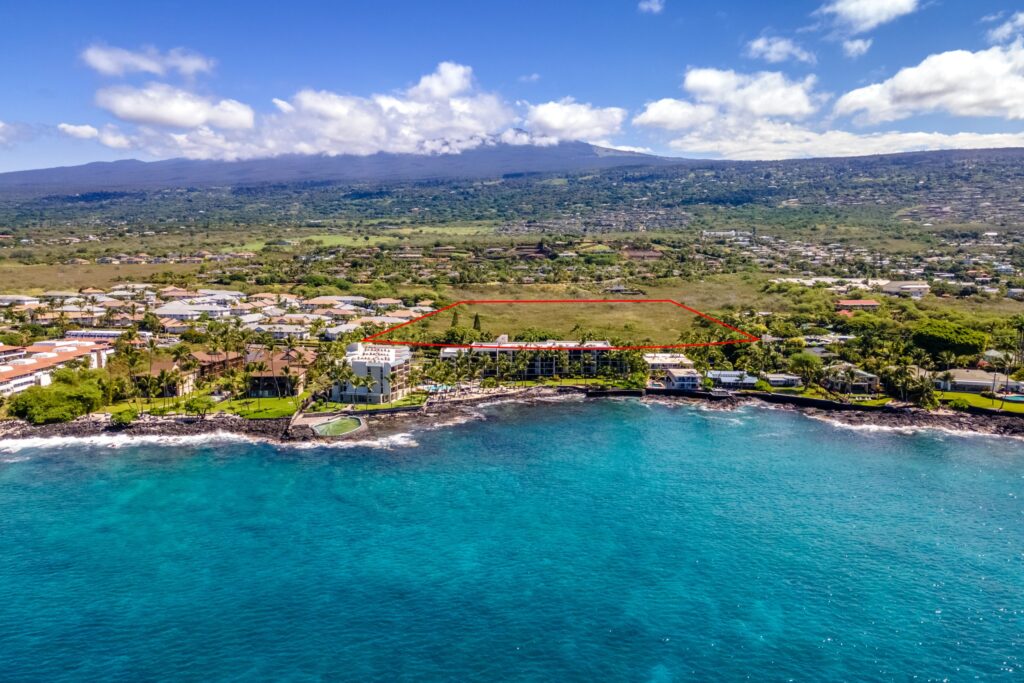
If you’re planning to visit or move to Hawaii, you’ve probably heard the names ‘Kona’ and ‘Kailua-Kona’ used interchangeably. But what exactly is the difference? While both refer to areas on the Big Island, they each offer a unique experience—whether you’re looking for vacation rentals, short-term rentals, or a peaceful place to call home. In this guide, we’ll explore the key differences between Kona and Kailua-Kona, including lifestyle, amenities, and real estate options.
The Basics: Kona vs. Kailua-Kona
At its core, Kona is a district on the west side of the Big Island of Hawaii. It’s pretty large, covering a variety of smaller towns and communities, including Kailua-Kona, which is the main town within the Kona district.
- Kona District: This district stretches from just south of Kohala to the southern tip of the Big Island, encompassing both North Kona and South Kona. The area covers miles of coastline, coffee farms, and lush hillsides.
- Kailua-Kona: Often shortened to just “Kona” in conversation, Kailua-Kona is the primary town in the district. It’s where you’ll find many shops, restaurants, and tourist attractions, including the famous Ali’i Drive.
Nestled along the sunny western coast of the Big Island, Kailua-Kona enjoys a reputation as the lively hub of the Kona district. Once a quiet fishing village, Kona has transformed into a vibrant seaside town thanks to its unbeatable weather and central location. Here, you’re perfectly positioned to explore the island’s best white sand beaches—ideal for sunbathing, snorkeling, and swimming.
To the north, the coast dries out, revealing gorgeous stretches of sand, resort areas, and even some world-renowned golf courses. Head south and you’ll discover lush, humid forests and the famed Kona coffee plantations, not to mention some of the island’s top snorkeling spots.
Kailua-Kona sits right on the slopes of Hualālai volcano, just steps from the ocean, making it a fantastic base for outdoor adventures or simply soaking in the easy-going island vibe.
Think of it this way: Kailua-Kona is a town within the broader Kona district. When locals say “Kona,” they might be referring to the town or the entire region. But when people say “Kailua-Kona,” they’re specifically talking about the town itself.
Why Kailua-Kona Holds a Special Place in Hawaiian History
isn’t just a modern-day hotspot for sunseekers and adventurers—it’s a town steeped in rich Hawaiian heritage. Historically, this area was a favorite of Hawaiian royalty, thanks to its enviable location on the sunny slopes of Hualālai volcano and its consistently pleasant weather. It’s no coincidence that many Hawaiian kings chose to live here; in fact, the region’s balmy climate and bountiful waters made it an ideal place to settle and thrive.
As time marched on, the landscape of Kailua-Kona shifted. Where there were once fishing villages and royal residences, you’ll now find echoes of the past alongside the lively present. Missionaries arrived in the 19th century, leaving their mark by establishing churches and helping shape the small town’s growth into a vital port.
Strolling through downtown Kailua-Kona, history is never far away. Notable landmarks include the Mokuaikaua Church—Hawaii’s oldest Christian church—the beautifully preserved Huliheʻe Palace, once a royal vacation home, and the sacred Ahuʻena Heiau, a reconstructed temple tied to King Kamehameha I. Each site offers a tangible link to the island’s storied past, making Kailua-Kona an essential stop for anyone curious about Hawaii’s royal legacy and cultural evolution.
Getting to Kailua-Kona: Directions and Travel Times
Reaching Kailua-Kona is refreshingly straightforward, whether you’re landing on the Big Island or coming from another town.
From Kona International Airport:
The town of Kailua-Kona is conveniently close—just about a 15-minute drive (under typical traffic conditions). Head south along Queen Kaʻahumanu Highway (Hwy 19) and you’ll arrive right in the heart of town.
Traveling from Other Towns:
- Hilo: If you’re making your way from Hilo on the east side, plan for an 86-mile drive. The fastest route is Saddle Road (Highway 200, also called Daniel K. Inouye Highway), and the trip typically takes around 2 hours and 20 minutes—give or take, depending on weather and traffic.
- Waimea: Coming from Waimea (also known as Kamuela), it’s about 40 miles southwest. Expect the drive to take just over an hour, winding through picturesque upland scenery before descending toward the coast.
- Volcano Village: If you’re venturing from the area near Volcanoes National Park, Kailua-Kona is roughly 95 miles away. This journey generally takes a little over 2 hours, offering a scenic trek across the island.
Getting Around Without a Car:
For those who prefer public transportation, the Hele-On Bus connects Kailua-Kona with various towns across the island. While it’s a budget-friendly way to travel, schedules are limited—so it’s best for folks who don’t mind a leisurely pace or have a flexible itinerary.
No matter where you’re coming from, getting to Kailua-Kona is all part of the island adventure!
What’s Special About Kailua-Kona?
Now, let’s talk about Kailua-Kona—the main town. It’s the hub of activity on the west side of the Big Island and a popular tourist destination. Here’s what makes Kailua-Kona stand out:
- Ali’i Drive: This scenic street runs along the coast and is packed with restaurants, shops, and historical landmarks. You’ll find popular spots like Huggo’s on the Rocks and the historic Hulihe’e Palace.
- Tourism and Resorts: Kailua-Kona is home to several vacation rentals and resorts, making it a popular spot for visitors. Many tours and excursions, like manta ray dives, whale-watching cruises, and snorkeling tours, leave from Kailua Pier.
- Ironman World Championship: Kailua-Kona hosts the famous Ironman World Championship every year, bringing athletes from all over the world to compete in this epic triathlon.
But Kailua-Kona isn’t just about resorts and adventure. The town is dotted with shops and farmers markets selling locally produced treasures—from fresh tropical fruits to unique crafts. Foodies will love the restaurant options, which range from laid-back beachfront grills to spots serving up the catch of the day, like ahi (tuna) straight from local waters.
It’s also the perfect place to unwind after a day of exploring. Picture yourself relaxing by the ocean, waves crashing over black lava rocks, with a cup of world-famous Kona coffee in hand. Whether you’re looking for vibrant nightlife, delicious eats, or just a spot to watch the sunset, Kailua-Kona makes a great, central home base for exploring the island’s west coast.
Explore Kailua-Kona with an Interactive Map
If you’re eager to get your bearings or plan out your day, there’s a handy interactive map available online featuring all the must-see spots between Captain Cook and the Waikoloa Beach Resort area. The map pinpoints local highlights—everything from top beaches and historic sites to favorite restaurants, coffee farms, shops, and vacation rentals.
You can zoom in to see details or click on icons to learn more about each specific activity or attraction. This makes it easy to design your own self-guided tour of the area, whether you’re interested in snorkeling at Kealakekua Bay or grabbing a bite along Ali’i Drive.
Look for interactive maps on popular travel resources like Google Maps or well-loved Hawaii guide sites. These maps are continually updated and perfect for both visitors and new residents looking to discover under-the-radar gems alongside classic favorites.
Beach Amenities Near Kailua-Kona
Kailua-Kona’s nearby beaches are as welcoming as they are stunning, offering both natural beauty and convenient facilities. Many of the main beaches in the area—including local favorites like Kua Bay (a.k.a. Maniniʻowali Beach)—come equipped with helpful amenities to make your beach day as easy and enjoyable as possible.
Here’s what you’ll typically find at the main beaches near town:
- Restrooms & Showers: Public restrooms and outdoor showers are common at the most popular beaches, making it easy to rinse off after a swim or sandy stroll.
- Picnic Tables & Barbecues: Looking to linger over lunch with an ocean view? Many beaches provide shaded picnic tables and barbecue stations, great for family gatherings or a post-swim snack.
- Drinking Water: Drinking fountains or tap water stations are often available so you can stay hydrated under the Hawaiian sun.
- Parking: Most main beaches offer parking lots, though they can fill up quickly on weekends and holidays. For a more peaceful experience, consider visiting during the week or early in the morning.
- Lifeguards: Some of the busier beaches—especially those popular with swimmers and surfers—are staffed with lifeguards for extra peace of mind.
Beach conditions can change with the weather or season. On calmer days, swimming is fantastic, and boogie boarders flock to catch the shoreline waves. During big swells, it’s best to watch the surf from shore—safety first! And don’t forget your reef-safe sunscreen to help protect the island’s coral reefs.
Kailua-Kona’s beaches offer the perfect blend of convenience and island charm, so you can spend more time relaxing and less time worrying about the details.
Practical Tips for Visiting Kailua-Kona
Kailua-Kona is every bit the sunny slice of paradise you’ve imagined, but a little planning goes a long way in ensuring you enjoy every minute (rather than spending your vacation nursing a sunburn).
Stay Sun-Safe
The Kona coast is famous for its clear skies and warm weather year-round, so sunscreen is non-negotiable—opt for a reef-safe brand like Sun Bum or Blue Lizard to help protect local marine life. A wide-brimmed hat and sunglasses are your best friends, whether you’re strolling Ali’i Drive or heading out for a day of snorkeling.
Hydration is Key
With the tropical sun beaming overhead, it’s easy to underestimate how quickly you can get dehydrated. Pack a refillable water bottle (Hydro Flask is a local favorite), especially if you’re taking advantage of Kailua-Kona’s many outdoor adventures, from hiking in upland Holualoa to lounging shoreside.
Navigating Parking
Finding a parking spot in the heart of Kailua-Kona, especially near the waterfront, can feel a bit like searching for buried treasure—patience pays off! While there’s limited free parking scattered along Kuakini Highway and side streets, there are also several paid lots within walking distance of main attractions. Don’t hesitate to ask a friendly local, check with your hotel’s front desk, or use your phone’s navigation apps for current options.
With these basics covered, you’ll be set to make the most of everything this vibrant seaside town has to offer.
Parking in Kailua-Kona: What to Expect
If you’re wondering about parking in Kailua-Kona, you’re definitely not alone—this coastal hotspot draws both visitors and locals, so snagging the perfect parking spot (especially near the water or bustling Ali’i Drive) can sometimes feel like you’re on your own little island scavenger hunt.
That said, the town’s manageable size works in your favor. While prime parking along the beach or near the top restaurants fills up quickly, there are a number of options just a block or two inland. Here’s what you should know:
- Public Parking Lots: You’ll find several lots conveniently dotted between Ali’i Drive and Kuakini Highway. Some are free, while others charge a nominal fee—think a few dollars for a few hours.
- Street Parking: Limited on-street spaces are available, especially closer to the water. These tend to fill up fast in the mornings and evenings, so early birds have an edge.
- Walking is Key: Even if you end up parking a little farther from the oceanfront, the walk is part of the charm—especially with ocean views and shops along the way.
Don’t forget to use navigation apps like Google Maps or Apple Maps to help you scout available lots or street parking before you arrive. If you’re staying at a hotel, the front desk or concierge is typically a wealth of local parking tips.
Real Estate, Living, and Accommodations in Kona vs. Kailua-Kona
When it comes to living in the Kona area, the location you choose can have a big impact on your lifestyle.
- Living in Kailua-Kona: If you like being close to everything—restaurants, shopping, entertainment, and the beach—then living in Kailua-Kona is ideal. However, because it’s a popular tourist area, it can get crowded, especially during peak seasons. Housing prices here tend to be higher, and there are more condos and townhomes available compared to other parts of the Kona district.
- Living in Other Parts of Kona: If you prefer a quieter, more rural lifestyle, South Kona or upland areas like Holualoa might be a better fit. These areas offer larger lots and more privacy, with a slower pace of life. You’ll also find more coffee farms and agricultural land here.
- Real Estate Tip: Many properties in Kailua-Kona and North Kona are zoned for short-term vacation rentals (STVRs), which makes them a popular choice for investors. If you’re looking for rental income potential, North Kona might be the way to go.
Where to Stay: Accommodation Options
Whether you’re planning to move or just visit, there’s a wide range of accommodation options on the Kona coast to suit every budget and lifestyle:
- Budget-Friendly Choices: Camping in beach parks or staying in hostels offers an affordable way to experience the Kona coast, perfect for those who want to enjoy the outdoors or are traveling on a budget.
- Mid-Range Options: There are plenty of vacation rentals, condos, and small hotels in and around Kailua-Kona, offering comfort and convenience within walking distance of shops and the beach.
- Luxury Resorts: If you’re looking to splurge, head north of Kailua-Kona toward the Kohala Coast, where you’ll find stunning 5-star resorts with oceanfront views, world-class amenities, and access to some of the island’s most beautiful beaches.
No matter your needs—whether you’re searching for a new home, an investment property, or just a place to stay during your visit—the Kona district has something for everyone, from lively town living to peaceful countryside escapes.

What Are the Public Transportation Options?
When it comes to getting around Kailua-Kona and venturing to other parts of the island, having your own car is by far the most convenient choice—especially if you’re planning to explore beyond the town center. That said, there are public transportation options available:
- Hele-On Bus: The island’s public bus system, Hele-On, connects Kailua-Kona with major destinations including Hilo, Waimea, and Volcano Village. While it’s an affordable way to travel, keep in mind that schedules can be infrequent and travel times long—so it’s best if you’re not on a tight timetable.
- Taxis and Rideshares: Taxis and rideshare services like Uber and Lyft operate in Kailua-Kona, though availability can be hit or miss outside the main tourist hubs.
- Biking & Walking: For those staying in town, Kailua-Kona’s central areas are fairly walkable, and biking is another pleasant way to get around the scenic coastline.
No matter how you get around, plan ahead—distances can be deceiving on the Big Island, and public transit works best for those with a flexible schedule.
FAQs: Kona vs. Kailua-Kona
1. What is the difference between Kona and Kailua-Kona?
Kona is a district on the west side of the Big Island, while Kailua-Kona is a town within that district. When people refer to Kona, they might mean either the district or the town, depending on the context.
2. Is Kailua-Kona the same as Kona?
Yes and no. Kailua-Kona is a town within the Kona district, but many people refer to it as just “Kona.” It’s the main hub of activity on the west side of the Big Island.
3. Which area is better for vacationing—Kona or Kailua-Kona?
If you’re looking for easy access to restaurants, shops, and tours, Kailua-Kona is your best bet. For a quieter getaway with more nature and fewer crowds, consider staying in South Kona or along the Kohala Coast.
4. What is the weather like in Kona and Kailua-Kona?
Both areas enjoy warm, sunny weather year-round, with temperatures averaging in the mid-80s (F). However, the upland areas of Kona receive more rain, while the coastal areas like Kailua-Kona remain mostly dry.
5. Is Kona a good place to live?
Yes! Kona offers a range of lifestyles, from the bustling town life in Kailua-Kona to the serene rural living of South Kona. Whether you prefer to be close to the action or enjoy peace and quiet, Kona has something for everyone.
Pros and Cons of Living in Kona vs. Kailua-Kona
Kailua-Kona:
Pros:
- Close to restaurants, shopping, and entertainment.
- Lots of short-term rental opportunities.
- Easy access to the beach and tourist attractions.
Cons:
- Can get crowded during peak tourist season.
- Higher housing prices compared to other parts of the Kona district.
South and Upland Kona:
Pros:
- Quiet and private lifestyle.
- Lush landscapes, perfect for gardening and coffee farming.
- Lower housing costs compared to Kailua-Kona.
Cons:
- Fewer amenities and services nearby.
- Longer drives to the beach and shopping centers.
Conclusion: Which is Right for You—Kona or Kailua-Kona?
At the end of the day, whether you choose to live or stay in Kailua-Kona or another part of the Kona district depends on your lifestyle and preferences. If you love being close to the action, Kailua-Kona offers convenience and excitement. But if you prefer peace and quiet with more space to spread out, other parts of Kona, like Holualoa or Captain Cook, might be a better fit.
No matter where you end up, Kona offers an incredible lifestyle with sunshine, beaches, and a laid-back vibe that’s hard to beat. Whether you’re vacationing, investing, or looking to make this your permanent home, Kona has a little something for everyone.
Ready to explore the Kona district? Contact us today for personalized recommendations on the best neighborhoods, real estate, or vacation rentals.
Schedule a Consultation