
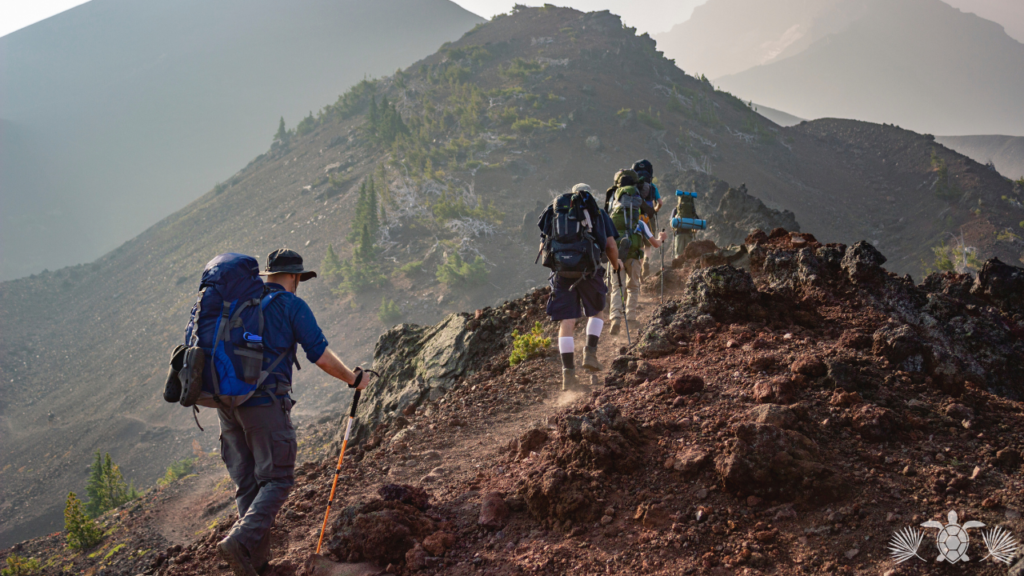
With landscapes ranging from lush rainforests to volcanic deserts, hiking on the Big Island is one of the most unforgettable experiences in Hawaii. The island is home to an incredible diversity of trails, from family-friendly strolls to challenging summit climbs. Whether you’re new to hiking or an experienced adventurer, the Big Island has a trail for you.
In this guide, we’ll explore the best hikes on the Big Island, share hiking tips, and highlight the must-visit trails that capture Hawaii’s natural beauty.

Pololū Valley Trail
Why It’s Popular: The Pololū Valley Trail is one of the most iconic hikes on the Big Island, known for its dramatic scenery. The trail takes you down into a lush valley framed by towering cliffs, ending at a stunning black sand beach. Along the way, you’ll enjoy sweeping views of the Kohala coastline and the deep, green valleys carved into the island over centuries.
Difficulty: Moderate — the trail is relatively short (about 0.6 miles one way) but steep, with a descent that can be slippery, especially after rain. The climb back up is a workout, so sturdy shoes and water are recommended.
Best For: Families with older children, adventure seekers, and anyone looking for one of the most dramatic viewpoints on the Big Island. The lookout at the trailhead alone offers incredible photo opportunities, but those willing to make the hike down are rewarded with an unforgettable landscape.
Insider Tip: Plan to go early in the morning for cooler temperatures and fewer crowds. Bring reef-safe sunscreen and be cautious if entering the water — the surf here can be rough and unpredictable.

Kīlauea Iki Trail (Hawai‘i Volcanoes National Park)
Why It’s Popular: The Kīlauea Iki Trail is one of the most unforgettable hikes on the Big Island, offering the rare chance to walk across a once-molten lava lake. This crater was the site of the 1959 eruption, and today hikers can still see steam vents, hardened lava flows, and the scars left behind by powerful volcanic activity. The trail provides a mix of rainforest canopy, dramatic crater views, and surreal landscapes that feel like stepping onto another planet.
Difficulty: Moderate — about 4 miles round trip. The hike involves a descent of roughly 400 feet into the crater, followed by a steady climb back up. While not overly strenuous, the elevation change and exposed crater floor can make it feel more challenging, especially on hot days.
Best For: Nature lovers, geology enthusiasts, and anyone who wants to experience the living, breathing volcanic forces that continue to shape Hawai‘i. It’s also a great option for photographers, as the contrast between lush rainforest and stark lava fields creates striking visuals.
Insider Tip: Start early in the day to avoid crowds and bring plenty of water — the crater floor can get hot under the midday sun. Pair this hike with a visit to the nearby Thurston Lava Tube for a complete volcanic experience.

Waipiʻo Valley Hike
Why It’s Popular: Waipiʻo Valley is one of the most iconic destinations on the Big Island, often called the “Valley of the Kings” for its deep cultural significance. The hike begins with a dramatic descent down one of the steepest roads in the U.S., leading into a lush paradise of towering cliffs, taro fields, waterfalls, and a stunning black sand beach. The valley is rich with Hawaiian history, legends, and natural beauty, making it a must-see for those looking to experience the island’s heart and soul.
Difficulty: Strenuous — while the descent into the valley is relatively easy, the climb back up is steep and demanding, with grades exceeding 25% in places. The round trip is only a few miles, but the intensity of the climb means it’s best suited for hikers in good physical condition.
Best For: Experienced hikers, adventure seekers, and those who want to immerse themselves in one of Hawai‘i’s most breathtaking landscapes. It’s also a favorite for photographers, thanks to the dramatic valley walls, river crossings, and panoramic views from the overlook.
Insider Tip: Wear sturdy footwear, bring plenty of water, and check weather conditions before going — heavy rains can make the river crossings difficult or unsafe. If you’re not up for the hike, the Waipiʻo Valley Lookout offers incredible views without the strenuous trek.
Note: Trail is currently closed. Read news here.
Papakōlea Green Sand Beach Hike
Why It’s Unique: Papakōlea Green Sand Beach isn’t just one of the Big Island’s hidden gems—it’s a global rarity. In fact, it’s one of only four green sand beaches on the planet, with its olive-green color derived from tiny crystals called olivine, formed by ancient volcanic activity and erosion over centuries. The result is a striking shoreline that truly looks like nowhere else in Hawai‘i—or anywhere else, for that matter.
Hiking Details: The journey to Papakōlea is a 5.5-mile round trip (about 3 miles each way) across windswept coastal plains. The trail is mostly flat but traverses gravel, compacted sand, and stretches of bare volcanic rock. Along the route, you’ll pass through wide-open landscapes where you can soak in views of rugged cliffs and crashing surf. The final approach to the beach involves a brief descent—down a series of narrow wooden stairs and a short scramble over rocks to reach the sand itself. While the climb isn’t especially technical, a bit of sure footing helps.
Best For: Adventurers looking for something truly unique, geology buffs, and anyone wanting to tick “stand on a green sand beach” off their bucket list. It’s a rewarding trek for photographers and sunrise seekers, too—those who start early are often treated to solitude and soft morning light.
Insider Tip: Begin your hike just after sunrise to avoid the midday heat and crowds. Bring plenty of water, reef-safe sunscreen, and sturdy shoes for the mixed terrain. There are no facilities at the beach, so plan accordingly. And best of all—there’s no fee to hike this unforgettable stretch of coastline.
Easy Hikes on the Big Island
Not every adventure needs to be strenuous — some of the best hikes on the Big Island are easy, family-friendly, and full of cultural and natural wonders. If you’re looking for gentle trails that still showcase Hawaii’s beauty, consider these options:
-
Puʻuhonua o Hōnaunau National Historical Park – This sacred site offers flat, easy-to-navigate trails that guide you through ancient Hawaiian temples, royal grounds, and fishponds. It’s more than just a walk — it’s a journey back in time to learn about Hawaiian culture and history.
-
Kiholo Bay – A peaceful coastal walk where you might spot honu (Hawaiian green sea turtles) resting on the lava rocks or swimming in the turquoise waters. The path is mostly flat, making it perfect for a casual stroll or a relaxing photography outing.
-
Kalopa State Recreation Area – Nestled in lush upland forest, this shaded trail is a favorite for families and beginners. You’ll walk through native ʻōhiʻa and koa trees, surrounded by birdsong and cooler mountain air — a refreshing change from the coastline.
These easy hikes combine accessibility with unforgettable scenery, making them ideal for families with kids, casual walkers, or anyone easing into Big Island hiking.
Akaka Falls State Park
Tucked just north of Hilo, Akaka Falls State Park offers an easy, enchanting stroll that’s sure to impress even the most seasoned waterfall chaser. The highlight here is Akaka Falls itself—a mesmerizing 442-foot cascade plunging dramatically into a lush gorge straight out of a rainforest postcard.
Trail Experience:
The walk to the falls is a short, fully paved loop (about half a mile), making it accessible for hikers of all ages and most abilities. Expect to meander beneath a jungle canopy, surrounded by fragrant wild ginger and vibrant ferns—perfect for those who love a blend of botanical beauty and sheer vertical drama. While there are some stairs along the route, sturdy handrails help make the path manageable for those with limited mobility.
Best For: Families, travelers with young kids or grandparents in tow, and anyone seeking big scenery with minimal effort required. Akaka Falls is a must-do if you find yourself exploring the Hilo side—don’t forget your camera! There’s a small entrance fee for parking, but the breathtaking view at the overlook (and the sound of crashing water echoing through the gulch) more than make up for it.
These easy hikes combine accessibility with unforgettable scenery, making them ideal for families with kids, casual walkers, or anyone easing into Big Island hiking.
Captain Cook Monument Trail
Looking for a hike that ends with one of the best snorkeling spots on the Big Island? The Captain Cook Monument Trail delivers an adventurous trek with a rewarding splash at the end. This out-and-back trail spans about 4 miles round-trip, leading you through rugged, rocky terrain with minimal shade, so come prepared for strong sun and steep sections.
The descent winds through brush and lava fields, eventually opening to a shimmering bay—famous for its vibrant marine life and crystal-clear waters. If you’re planning to snorkel (and you absolutely should), pack your mask and fins, along with sturdy hiking boots for the trail and water shoes or sandals to protect your feet from sharp rocks and lurking sea urchins.
Once you reach the ocean, you’ll have two options: head left for a closer look at the Captain Cook Monument (a great photo op and snorkeling access point) or venture straight ahead to find entry areas along the lava rock shoreline. Whether you choose history or head straight to the water, you’re in for a treat—brilliant tropical fish, vivid coral gardens, and the occasional sea turtle. Adventurous swimmers have even reported sightings of reef sharks out in the deeper blue, so keep your eyes peeled!
Be warned—the trek back to the trailhead is a workout, especially under the midday sun. Bring plenty of water, snacks, and take breaks as you climb. This is a classic Big Island adventure that combines hiking, history, and some of the island’s best underwater scenery—a must-do for active travelers and ocean lovers alike.
See Also Big Island Mountains Blog

Tips for Hiking on the Big Island
Exploring the Big Island’s trails is one of the best ways to experience its diverse landscapes — from volcanic craters to lush valleys and coastal paths. To make the most of your adventure, keep these tips in mind:
-
Start Early – Mornings are cooler and less crowded, making it easier to enjoy the scenery and wildlife. Plus, sunrise hikes often come with breathtaking views.
-
Bring Essentials – Always carry plenty of water, reef-safe sunscreen, light snacks, and sturdy footwear. Many trails have little to no shade, so hydration and sun protection are key.
-
Respect Nature and Culture – Stay on marked trails, avoid disturbing wildlife, and remember that many paths pass through sacred Hawaiian sites. Treat these areas with the utmost respect.
-
Check Weather Conditions – Rain can make trails muddy and rivers difficult to cross, especially in valleys like Waipiʻo or Pololū. Always check forecasts before heading out.
-
Know Your Limits – Some hikes on the Big Island of Hawaii are steep, long, or at high elevations. Choose trails that match your fitness level to stay safe and enjoy the journey.
By preparing ahead and hiking mindfully, you’ll not only stay safe but also connect more deeply with the Big Island’s natural beauty and cultural significance.
Why Prepare for the Weather and Environment?
Hiking on the Island of Hawaiʻi is a breathtaking experience, but the island’s diverse climates and wild terrain demand planning ahead. Whether you’re wandering coastal trails or venturing deep into rainforest valleys, being ready for rapid changes in weather and environmental surprises can make all the difference for your comfort and safety.
From steamy sunshine in Kona to the misty rains of Hilo, temperatures, rainfall, and even trail surfaces can change quickly as you gain elevation or shift landscapes. The right clothes—think moisture-wicking layers, sturdy shoes, and a rain jacket—not only keep you comfortable, but also safeguard against potential hazards like chilly winds or scratchy vegetation.
Remember, natural features like muddy slopes, exposed lava fields, or sudden downpours can turn a gentle stroll into a real challenge. Packing gear like sunscreen, extra water, a small first aid kit, and insect repellent means you’ll stay protected against both the elements and those determined island mosquitoes.
Smart preparation isn’t just about comfort—it’s about safety. Sudden weather changes, uneven trails, and limited phone reception mean that being equipped and informed helps you avoid unnecessary risks. Always let someone know your plans, stick to marked trails, and carry reliable navigation tools if you’re heading somewhere remote. That way, you can focus on enjoying those jaw-dropping Big Island vistas stress-free.
What to Avoid for Safe Hiking
To stay safe while exploring trails on the Island of Hawaiʻi, keep these precautions in mind:
- Try not to hike by yourself; solo hiking increases risk. If you must venture out alone, always let someone reliable know your planned route and expected return time.
- Skip drinking from streams or ponds, no matter how clear the water may appear—waterborne germs can turn a perfect day sour.
- If you’ve got any open scrapes or cuts, resist the urge to cool off in natural bodies of water to prevent infection.
- And, of course, stick to the established trails and follow posted markers; getting lost is much easier (and less fun) than you’d think with all that lush greenery around.
Play it smart, respect the ’āina (land), and you’ll help ensure your hike is memorable for all the right reasons.
Where to Find Hiking Info, Maps, and Permits
Need trail details before you lace up your boots? For the most up-to-date hiking maps, trail conditions, and required permits on the Island of Hawai‘i, stop by the Kīlauea Visitor Center in Hawaiʻi Volcanoes National Park. Knowledgeable park rangers are ready to answer questions, provide recommendations based on your skill level, and help you stay safe on the trails.
When is the Best Time for Hiking on the Big Island?
While the island’s trails are open year-round, timing your adventure can make a big difference. The best hiking trails on the Big Island are especially enjoyable during the dry season (April to October), when there’s less rainfall and paths are easier to navigate. During this period, you’ll also enjoy sunnier skies and clearer mountain or coastal views.
-
Morning Hikes – Starting early not only means cooler temperatures but also fewer crowds, making it easier to soak in the island’s beauty. Mornings also tend to have the clearest skies before afternoon clouds and showers roll in.
-
Winter Hiking (November to March) – Trails are still open, but expect wetter conditions, particularly in valleys and rainforests. This season brings lush green scenery and flowing waterfalls, but it also means muddier trails and the need for more caution.
-
High Elevation Hikes – For places like Mauna Kea or Mauna Loa, weather can be unpredictable year-round. Even in summer, it’s common to encounter cold winds and sudden storms at the summit, so layering is essential.
In short, hiking is possible any time of year on the Big Island, but planning around the dry season and starting your hikes in the morning will give you the safest and most rewarding experience.
Final Thoughts on Hiking on the Big Island
From lush valleys draped in waterfalls to vast volcanic craters and snow-dusted summits, hiking on the Big Island is unlike anywhere else in the world. The island’s diverse landscapes mean you can trek through a rainforest in the morning, explore lava fields by afternoon, and catch a sunset from a mountain peak in the evening.
Whether you’re tackling the 5 best hikes on the Big Island—like Waipiʻo Valley, Pololū Valley, and Mauna Kea—or simply enjoying a gentle coastal stroll along Kiholo Bay, each trail reveals a new side of Hawai‘i’s natural magic. For locals, hiking is a way to stay connected to the land; for visitors, it’s an unforgettable way to experience the island’s beauty up close.
No matter your skill level, hiking here isn’t just about the destination—it’s about the journey, the mana (spirit) of the land, and the sense of awe that comes with every step on Hawai‘i’s largest island.
Dreaming of Living Near the Best Places on Big Island to Hike To?
Let’s explore real estate options that put these world-class trails right at your doorstep. Contact me today to begin your journey.