
Moving to Hawaii—or even living here long-term—means understanding the unique landscape of health care Hawaiioffers. From high insurance premiums to island-specific medical services, knowing where and how to access care is crucial. In this guide, we’ll dive into the real costs of care, the state’s signature insurance laws, and key providers like the West Hawaii Community Health Center and Hawaii Island Family Health Center. Whether you’re comparing plans, exploring individual health insurance Hawaii, or need home health care Hawaii, here’s everything you need to navigate the aloha state’s health system.
1. Why Health Care Hawaii Is More Expensive
Geographic Isolation & Import Costs
Hawaii’s remote location means most medical supplies, equipment, and even some pharmaceuticals must be shipped in—driving up prices across the board. On average, per-capita health spending in Hawaii runs 5–10% above the U.S. national average, though cost growth has historically been slower than in many mainland states.
All those reasons make it harder for a practice to stay afloat, attract doctors, and provide great care.
High Living Costs
Beyond medical bills, Hawaii’s higher cost of living affects staffing, facility overhead, and utilities at hospitals and clinics. These factors combine to make everything from routine check-ups to surgeries pricier here than in lower-cost regions.
2. Health Insurance Hawaii: The Prepaid Health Care Act
Employer-Mandated Coverage
Under the Hawaii Prepaid Health Care Act, most employers must offer health insurance to employees working 20+ hours per week. This unique law keeps the uninsured rate among the lowest in the nation and ensures broad access to care.
-
Employer contribution: Minimum 50% of employee premiums
-
Coverage: Comprehensive plans including doctor visits, hospitalization, and prescription drugs
Individual Health Insurance Hawaii Options
For freelancers, part-time workers, and those without employer plans, Hawaii’s ACA marketplace and private insurers offer individual health insurance Hawaii policies. Premiums can range from $150 to $900+ per month for a single adult, depending on coverage level and income-based subsidies.
3. Key Providers: Clinics & Hospitals
West Hawaii Community Health Center
Serving Kona and surrounding areas, this FQHC (Federally Qualified Health Center) offers sliding-scale fees for primary care, dental services, behavioral health, and chronic disease management. It’s a vital option for uninsured or under-insured residents seeking affordable routine care.
Hawaii Island Family Health Center
Located on the Hilo side, this nonprofit clinic provides comprehensive primary care, pediatric services, women’s health, and health education. With multiple locations across East Hawaii, it helps bridge access gaps for rural communities.
Major Hospitals
-
Kona Community Hospital (Kailua-Kona): Full-service acute care with emergency, surgical, and maternity wings—ideal for coast-side residents.
-
North Hawaii Community Hospital (Waimea): Regional referral center with advanced imaging, general surgery, and a robust outpatient clinic.
-
Puna Community Medical Center (Pahoa): Critical access hospital serving the rural Puna district, including urgent care and basic inpatient services.
-
Hilo Medical Center (Hilo): The island’s largest hospital, offering trauma, specialist clinics (cardiology, oncology), and a Level II neonatal intensive care unit.
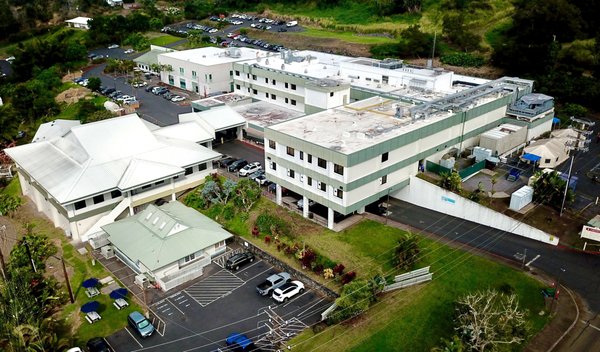
Overall hospitals are well liked on the Big Island. The Kona hospital was remodeled around 2019-2020. One thing to note is that the local hospitals are nothing like the mainland ones when it comes to size. They almost look like mainland clinics vs. hospitals.
Hilo has the largest hospital on the island. There also is a VA hospital on the East Side.
4. Out-of-Pocket & Specialist Costs
Copays, Deductibles & Travel
Even with good insurance, out-of-pocket costs—copays, coinsurance, and deductibles—can add up. Specialty care often requires trips to Oahu or the mainland, incurring airfare and lodging expenses. Telehealth initiatives are growing, but plan ahead if you need rare specialties.
Personally, I have experienced this. A lot of my care has required me to fly to Honolulu for day trips to see my specialist. This specialty is not available on the Big Island, and they do not have the equipment locally to just scan me & email the results to the specialist. Unfortunately, this is very common in Hawaii.
Typically, my insurance only covers 1 trip per year (flight + taxi roundtrip). Any additional transportation for the rest of the year is not covered unless the specialist is performing a surgery of some kind. And if it does, then they may also pay for the transportation of the spouse should someone be needed to take me home due to the medication.
Prescription Drug Pricing
Prescription drug costs in Hawaii exceed many mainland areas due to shipping and limited local competition. Most plans cover generics well but shop around at local pharmacies and consider mail-order options to save on brand-name medications.
Be aware of shipping dates for refrigerated medication. We try to avoid any weekend shipments. Even though the medication provider will promise that the medication will get there overnight (UPS or FedEx), they do not. It’s at least 2 day shipping and most of the time, it will spend the night at a non-refrigerated warehouse in Hawaii (+75F). As you may not know, the warehouses are at the airport, right at sea level. It gets pretty hot in there during the day (+90F).
And on the weekends, they seem to be understaffed and the packages do not get there until end of day 5-6pm. So now we only ship our medication on Mondays thru Thursdays.

5. Home Health Care Hawaii & Long-Term Services
For seniors and those recovering at home, home health care Hawaii agencies provide nursing, physical therapy, and personal care assistance. Medicare will cover many of these services if ordered by a physician, but long-term custodial care may require private pay or Medicaid waivers.
A lot of long-term custodial care facilities are full with a waiting list. Some people never leave the local hospital since there are no openings for them to transition. I’ve had clients move to Oahu or the mainland because they found openings there and couldn’t get any locally.
6. Medicaid & Medicare in Hawaii
Med-QUEST (Medicaid)
Hawaii’s Med-QUEST program offers robust coverage for low-income families, children, pregnant women, and people with disabilities. Eligibility and benefits often exceed those in many mainland states, but enrollment paperwork can be extensive.
Medicare & Supplements
Seniors 65+ qualify for federal Medicare. Many supplement with Part D (prescription drug) plans and Medigap policies—though Medicare supplement costs in Hawaii trend higher, reflecting the state’s elevated healthcare expenses.
7. Comparing Health Care Hawaii to Other States
While health care Hawaii costs are on the higher side, the state often outperforms mainland peers in health outcomes—ranking near the top for life expectancy and chronic disease management. States like New York or California may have similar premiums but face faster cost inflation and larger uninsured rates.
8. Planning for Your Health in Hawaii
-
Budget for premiums and out-of-pocket costs—use a health insurance Hawaii calculator to estimate total spending.
-
Establish care early—find a primary care provider through local clinics or FQHCs before you need urgent services.
-
Leverage telehealth—many specialists now offer virtual visits, reducing travel needs.
-
Stay active and eat local—Hawaii’s lifestyle of fresh produce and outdoor living contributes to its top health rankings.
Conclusion
Navigating health care Hawaii means balancing higher costs against strong insurance mandates, quality outcomes, and a healthy island lifestyle. From the West Hawaii Community Health Center to the Hawaii Island Family Health Center and the Hawaii Dept of Health, resources are in place to help you thrive. Whether you need home health care Hawaii, individual health insurance Hawaii, or simply want to understand your benefits, planning and local knowledge are key.