
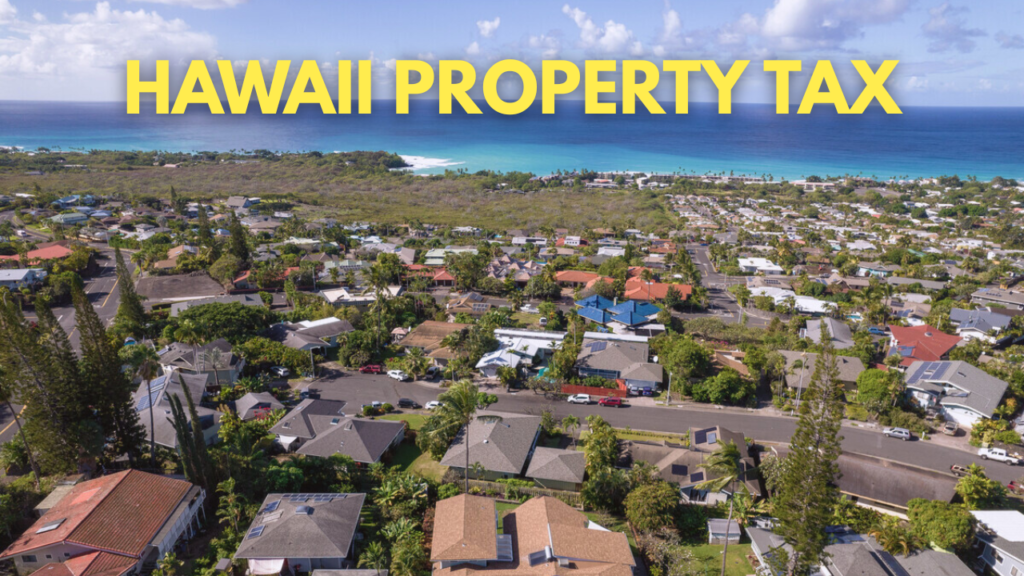
Before making your move to the Big Island, understanding Hawaii property tax is essential. Whether you’re purchasing a primary residence, a vacation rental, or agricultural land, the County of Hawaii property tax structure will directly affect your monthly carrying costs, long-term return on investment (ROI), and overall financial planning. Property taxes here vary based on use classification, assessed value, and applicable exemptions—so being informed up front helps you budget wisely and avoid surprises down the road. Let’s break it down so you can make a confident, informed decision.

What Does Your Property Tax Pay For?
You might be wondering where your property tax dollars actually go once they leave your wallet. On the Big Island, this revenue is the fuel that powers critical county services we all rely on. In practical terms, your property taxes help keep:
- Police and fire departments responsive and equipped
- Public roads, bridges, and infrastructure maintained
- Parks, playgrounds, and recreational facilities open and safe
- Community waste collection and management running smoothly
- Local government operations—like planning, permitting, and vital records—functioning day-to-day
In other words, those annual tax payments are more than just a line item on your budget—they’re a direct investment in the quality and safety of life across the island.
Hawaii Property Tax Basics: Owners vs. Non-Owners
Primary residence owners enjoy lower property tax in Hawaii due to residential exemptions. If you live in the home full-time and declare it as your principal residence, you may qualify for the Homeowner Exemption, which reduces your assessed value by a set amount—currently $50,000 in Hawaii County—and places you in a lower tax rate classification. This results in substantial annual savings, especially for long-term residents and retirees.
Non-owner occupants—including vacation rentals or second homes—pay higher classification rates. Properties not used as a primary residence fall into different tax categories such as Residential, Residential Investor, or Hotel/Resort, depending on usage and zoning. These classifications come with higher tax rates, especially if the property is actively used as a short-term vacation rental, which may be subject to additional regulation and tax scrutiny.
Every property in Hawaii gets a real property tax bill each fall, detailing your tax classification and rate. These bills, issued by the County of Hawaii Real Property Tax Office, outline your property’s assessed value, classification, exemptions (if any), and the applicable rate per $1,000 of assessed value. Reviewing this bill carefully each year is key to understanding your obligations and planning for any changes in usage or ownership.
How Age Impacts Property Tax Exemptions in Hawaii
In addition to the standard homeowner exemption, Hawaii offers even greater property tax relief for older residents. As you reach certain age milestones—beginning at age 60—the amount of your exemption increases, which means your taxable property value is lowered even further. The older you are, the larger your exemption becomes, resulting in lower annual property taxes. This tiered system is designed to support kūpuna—Hawaii’s respected elders—by making homeownership more affordable as they age.
How Homeowner Exemptions Work in Hawaii County
Now, let’s talk about how the homeowner exemption actually plays out in practice—and how your age can make a big difference. To qualify, you need to live in your property as your principal residence for more than 200 days each year and declare it accordingly with the County. Once you’re approved, the county subtracts a set exemption amount from your assessed value before calculating your property taxes—instantly reducing what you owe.
Exemption Amounts Increase with Age
One of the many perks for homeowners in Hawaii County is that these exemption amounts are tiered by age. Here’s a quick snapshot of what you can expect as of January 1, 2025:
- Under age 60: $50,000 exemption
- Ages 60–64: $85,000 exemption
- Ages 65–69: $90,000 exemption
- Ages 70–74: $105,000 exemption
- Ages 75–79: $110,000 exemption
- Age 80 and up: $125,000 exemption
The takeaway? The older you are, the greater your exemption—and the lower your property tax bill. This progressive structure is one of Hawaii County’s ways of honoring and supporting its kūpuna while helping all eligible homeowners maintain affordability over time.
Sample Hawaii County Property Tax Calculation for Homeowners
Let’s put all these numbers into perspective with a real-world example. Suppose you own and live in a home in Hawaii County that’s assessed at $500,000, and you qualify for the applicable homeowner exemption (let’s use $80,000 for this scenario—perhaps you’re in the 60–64 age bracket).
Here’s how your tax bill would break down:
- Assessed value: $500,000
- Subtract homeowner exemption: −$80,000
- Taxable value: $420,000
With Hawaii County’s homeowner tax rate currently set at 0.615%, your annual property tax bill would be:
- $420,000 × 0.00615 = $2,583
So, in this example, a qualifying homeowner would pay about $2,583 in property taxes for the year—before accounting for any other credits or special exemptions. It’s a straightforward calculation, but the savings from the exemption can really add up, especially as you age into higher brackets.
How Property Values Are Assessed and Updated in Hawaii
So, how do officials decide just how much your Hawaii property is worth for tax purposes? Each year, the County of Hawaii appraises your property to establish its assessed value. This value forms the basis for your property tax calculation and is updated regularly—typically every 12 to 14 months—to reflect current market trends and any improvements you’ve made.
The assessment process looks at recent sales of comparable properties in your area, the size and features of your land and buildings, and any upgrades or additions since the last assessment.
Curious about your property’s particulars? You can search public records through the County of Hawaii, which display not only your latest assessed value, but also your property’s tax classification and homeowner exemption status if you qualify. Having this information at your fingertips ensures that you’re neither overpaying nor missing out on any exemptions you deserve.
Why Is Hawaii Property Tax So Low for Homeowners?
So, what’s behind Hawaii’s reputation for the absolute lowest property taxes in the country? The magic lies in a combination of generous homeowner exemptions and how local governments structure their tax rates.
For starters, Hawaii counties offer substantial tax incentives for those who claim a property as their primary residence. Thanks to policies like the Homeowner Exemption, a sizable chunk of your home’s value—sometimes tens of thousands of dollars—is simply lopped off before taxes are even calculated. This isn’t just a nice perk; it’s a deliberate way local governments help residents save money and encourage year-round occupancy.
But that’s not all. Each island handles its own tax rates and classifications, but across the board, homeowners who qualify for these exemptions are placed in the lowest possible tax brackets. This keeps effective property tax rates in Hawaii remarkably low—often below 0.3% of your assessed value, which is the lowest average in the United States according to the Tax Foundation.
In short, if you make Hawaii your full-time home (and fill out the paperwork), you’re rewarded with some of the most homeowner-friendly property taxes in America.
How Low Property Taxes Help Balance Out Hawaii’s High Real Estate Prices
While it’s true that buying a home in Hawaii often comes with a premium price tag, the ongoing cost of ownership isn’t as steep as you might expect, thanks to these uniquely low property tax rates. Here’s where the math works in your favor: Even though your initial investment might be higher than on the mainland, the annual property tax savings can add up to thousands of dollars over the years.
For example, a homebuyer in Hawaii could pay a fraction of the property taxes that someone with a comparable house might pay in California, New York, or Texas. This long-term tax advantage can soften the blow of higher mortgage payments or closing costs, particularly for owner-occupants who benefit most from exemptions. In practice, your total cost of carrying the property—year after year—remains surprisingly manageable, making Hawaii’s real estate a more financially sustainable choice for full-time residents and savvy long-term investors alike.
Find Your Resources for Property Tax Exemptions
Navigating property tax exemptions doesn’t have to be overwhelming if you know where to look. Fortunately, the County of Hawaii makes it relatively straightforward to access real-time information and application materials:
- Public Records Search: The County of Hawaii maintains a searchable online database where you can look up any property by address or parcel number. These records display the assessed value, current classification (such as homeowner, residential, or rental), and whether exemptions have been applied. This is a reliable first stop to verify exemption status and learn more about how your property is classified for tax purposes.
- Home Exemption Application: If you plan to declare your Hawaii home as your primary residence and claim the homeowner exemption, the county provides a downloadable PDF guide explaining the Home Exemption Program, along with the official application form. Review the eligibility guidelines—such as residency, deed ownership, and timely filing dates—before submitting.
To qualify for this valuable exemption, keep in mind the following requirements:
- Primary Residence: The property must be your main home, and you should reside there for more than 200 calendar days per year.
- Ownership: Your name must appear on the property deed.
- Timely Application: File your exemption claim with the county Real Property Tax office by either December 31 or June 30, depending on your purchase date.
- State Tax Filing: You must have filed (or plan to file) your Hawaii State income taxes within the previous or upcoming 12 months.
In addition to these criteria, be prepared to submit supporting documents with your application. Most counties require items such as proof of age (for senior exemptions), evidence of Hawaii residency (like a driver’s license or state ID), and paperwork demonstrating that the property is your primary residence (for example, utility bills or voter registration). The process is straightforward but does require attention to detail—missing documentation can delay or jeopardize your exemption.
This process is a crucial first step for new homeowners to complete after closing, ensuring you receive the maximum tax benefit available.
Hawaii Property Tax Rates & How They’re Applied
You may notice line items like “Hawaii County real property tax” or “Hawaii city and county real property tax” on documentation, but for Big Island homeowners, only the County of Hawaii tax rate applies. Hawaii has no statewide property tax—each county sets its own rates and classifications, and Hawaii County (the Big Island) tends to have some of the lowest rates in the nation.
Rates vary based on how your property is classified:
-
Owner-occupied residential: approximately 0.30%–0.35% of assessed value (with the Homeowner Exemption applied)
-
Non-owner occupied / vacation rental: approximately 0.55%–0.60%, depending on use and zoning
-
Agricultural or ag-zoned land: even lower—around 0.25% or less, depending on how the land is used and declared
If your property is classified for short-term vacation rental use—think Airbnb, VRBO, or traditional hotel/resort operations—be prepared for a different set of tax rates than owner-occupied homes. These properties fall under non-owner-occupied or “hotel/resort” classifications, which Hawaii County assesses at higher rates due to their revenue-generating potential.
Here’s how it typically breaks down on the Big Island:
- Short-term vacation rentals (hotel/resort classification): Around $11.70 per $1,000 of assessed value.
- Non-owner-occupied residential and residential investor properties: Approximately $11.10 per $1,000 for properties valued below $2 million, and $13.60 per $1,000 for properties assessed above that threshold.
It’s important to budget for these higher property tax rates if you’re considering Hawaii as an investment destination, especially since these taxes can make a noticeable impact on your annual returns. Proper planning and consultation with a local tax professional can help ensure you understand your property’s classification and avoid surprises when your tax bill arrives.
So, what is the property tax in Hawaii? The answer depends on your property’s classification, assessed value, and exemptions. Owner-occupied homes pay significantly less than second homes, vacation rentals, or business-zoned properties—making it essential to plan based on how you intend to use the property.
County of Hawai`i ’s Real Property Tax Assessment Website

Buying Agricultural Land? Know These Hawaii Property Tax Rules
The Big Island offers generous property tax incentives for agricultural-zoned land, making it an attractive option for farmers, ranchers, and lifestyle buyers alike.
- County of Hawaii real property tax rates on qualifying ag land drop significantly—typically around 0.25% of assessed value or even lower. This is one of the lowest rates available.
- To qualify, you must actively maintain crops, livestock, or meet minimum acreage requirements as outlined by the County. Passive ownership alone won’t earn you the tax break.
- If you let your land go fallow or cease agricultural activity, you risk losing the exemption—and your tax rate may jump to standard residential or investor classifications.
- Changing the property’s zoning or usage, such as building a home or vacation rental without an agricultural plan, may trigger a county reassessment at much higher tax rates.
Whether you’re starting a farm or planning a peaceful rural retreat, it’s important to understand the commitments that come with ag-zoned property to maximize your tax benefits and avoid surprises.
Other Exemptions and Special Programs
Hawaii counties also offer additional property tax programs that may apply to your situation:
- Agricultural Use: Special assessments for bona fide farming operations, with requirements similar to those above.
- Affordable Rentals: Reduced assessments for qualifying long-term rental properties, providing incentives for property owners willing to offer affordable housing.
- Green Energy Improvements: Tax breaks or exemptions for properties with solar systems or energy-efficient upgrades, helping you save while going green.
To take advantage of these programs, you’ll need to file applications directly with the County. Be prepared to provide supporting documents—proof of age, residency, and evidence of how the property is being used.
Understanding the full range of exemptions and keeping up with county requirements can keep your property tax bill as low as possible—so you can focus on what matters most, whether that’s cultivating crops, building a sustainable home, or offering affordable rentals.
Investment Property vs. Primary Home: Tax Differences
If you’re considering a second home or rental, understand that property taxes in Hawaii differ sharply:
| Classification | Tax Rate Approx. | Notes |
|---|---|---|
| Owner-occupied residential | 0.30%–0.35% | Benefit of primary-home discount |
| Vacation rental/non-owner occupied | 0.55%–0.60% | Higher rate, no exemption |
| Agricultural zoned land | 0.25% | Must remain actively farmed |
Higher taxes can shrink your net rental income, so factor this into your investment property tax rates calculations.
Tax Benefits of Owning Big Island Real Estate
Despite some differences from mainland tax structures, owning property on the Big Island comes with valuable financial perks:
-
Mortgage interest and property tax deductions are available for primary residences, helping reduce your taxable income on both federal and (if applicable) state returns.
-
Rental properties benefit from depreciation, maintenance, and operating expense deductions, which can offset income and lower your annual tax liability—ideal for investors or second-home owners.
-
Hawaii County allows for property tax class shifting and appeals, meaning you can request a reassessment if your property’s use or value changes. This can help reduce your annual bill over time.
-
Assessed Value Review: Each year, the Real Property Assessment Division determines your property’s assessed value based on current market conditions. You’ll typically receive a notice of this assessed value in March. If you believe the assessment is too high, it’s important to review the notice and consider filing an appeal. This process gives you the opportunity to ensure your property taxes accurately reflect your property’s actual value and usage.
-
Agricultural zoning offers unique advantages, including ultra-low property taxes, potential eligibility for USDA loans, added income from farm-related activities, and alignment with sustainability goals for eco-conscious owners.
Whether you’re buying a home to live in, rent out, or farm, the Big Island’s tax structure offers multiple ways to maximize returns and minimize costs with smart planning.
County of Hawaii Property Tax Billing & Payment
The Hawaii County property tax year runs from July 1 through June 30 of the following year, aligning with the state’s fiscal calendar.
Tax bills are typically mailed in October, with payment due in two equal installments—one in December and the other in April. A third installment may apply for new properties or reassessed parcels, often due in July. This flexible installment schedule helps property owners manage cash flow throughout the year.
Property tax rates are reviewed and set annually on July 1 and published by the County of Hawaii. These rates may shift depending on county budget needs, infrastructure projects, and state-level funding priorities. Staying current with these updates is key to effective financial planning for both homeowners and investors.
Key Dates and Practical Tips
- Mark your calendar: In addition to the typical payment months, keep an eye on biannual due dates like August 20 and February 20 for certain filings or exemptions.
- Apply for exemptions early: If eligible for homeowner or other property tax exemptions, submit your applications as soon as possible and keep documentation organized and up to date.
- Double-check your classification and assessment: Review your property classification and assessed value annually to catch any errors or changes that might affect your tax bill.
- Consult a professional: For more advanced planning or unique scenarios, a local CPA or tax advisor can help ensure compliance and optimize your tax strategy.
In addition to Hawaii property taxes, landlords and property owners must also navigate the Hawaii General Excise Tax (GET). Unlike a traditional sales tax, GET is levied on gross rental income—not net profit—and applies regardless of whether the property is rented short-term or long-term.
Here’s what you need to know:
- The base GET rate is 4% statewide, with an additional 0.5% county surcharge on the Big Island, for a total of 4.5%.
- This tax applies to both long-term leases and short-term vacation rentals, and must be collected and remitted—even if it’s not separately listed on a lease or invoice.
- You must register with the Hawaii Department of Taxation, obtain a GET license, and file regularly—quarterly or semi-annually, depending on your income and filing frequency.
If you plan to rent out your home or condo, be sure to factor in GET and the Transient Accommodations Tax (TAT) into your pricing, budgeting, and profitability analysis. Failing to comply can lead to penalties, so proper planning and tax guidance are key to staying on the right side of state regulations.
Depreciation Benefits for Investment Property Owners
Owning real estate on the Big Island—especially income-generating rentals—comes with a powerful tax advantage: depreciation. Even as your property appreciates in market value, the IRS allows you to depreciate the structure (not the land) over 27.5 years for residential investment properties.
This means:
-
You can deduct a portion of the building’s value annually as a non-cash expense on your tax return.
-
It effectively reduces your taxable rental income, allowing you to retain more profit and improve your return on investment (ROI).
-
When combined with Hawaii’s property tax deductions and operating expense write-offs, depreciation becomes a cornerstone strategy for maximizing real estate income.
To take full advantage, consult a qualified CPA or tax advisor familiar with Hawaii real property tax laws and IRS rules. They can guide you through proper depreciation schedules, passive income rules, and future recapture implications.
Use a 1031 Exchange to Upgrade Your Big Island Investment
Thinking about selling one Hawaii property and upgrading to another? A 1031 Exchange is a powerful tax-deferral strategy that allows real estate investors to postpone capital gains taxes—freeing up more capital to grow your portfolio.
To qualify, you must:
-
Reinvest the full proceeds from the sale into another like-kind investment property (both properties must be held for business or income-producing purposes).
-
Ensure the replacement property is of equal or greater value than the one sold.
-
Complete the exchange within strict IRS deadlines—identify the new property within 45 days and close within 180 days of the original sale.
This method is often used by savvy investors—such as those trading a Kealakekua Bay condo for a Kohala Coast luxury vacation rental—to upgrade locations, increase cash flow, or diversify asset types without taking an immediate tax hit. When done correctly, a 1031 Exchange can be a strategic move to scale your real estate holdings while preserving your investment equity.
Hawaii General Excise Tax (GET): What You Need to Know
In addition to Hawaii property taxes, landlords and property owners must also navigate the Hawaii General Excise Tax (GET). Unlike a traditional sales tax, GET is levied on gross rental income—not net profit—and applies regardless of whether the property is rented short-term or long-term.
Here’s what you need to know:
-
The base GET rate is 4% statewide, with an additional 0.5% county surcharge on the Big Island, for a total of 4.5%.
-
This tax applies to both long-term leases and short-term vacation rentals, and must be collected and remitted—even if it’s not separately listed on a lease or invoice.
-
You must register with the Hawaii Department of Taxation, obtain a GET license, and file regularly—quarterly or semi-annually, depending on your income and filing frequency.
If you plan to rent out your home or condo, be sure to factor in GET and the Transient Accommodations Tax (TAT) into your pricing, budgeting, and profitability analysis. Failing to comply can lead to penalties, so proper planning and tax guidance are key to staying on the right side of state regulations.
Final Thoughts: Hawaii Property Tax & Smart Buying
When purchasing on the Big Island, property tax in Hawaii isn’t a minor detail—it’s a financial tool and responsibility rolled into one. By understanding classifications, zoning, exemptions, and billing cycles, you’ll make smarter decisions, manage your cash flow, and maximize the benefits of owning Hawaii real estate.
Ready to Explore Homes—or Ag Land—on the Big Island?
I’m here to guide you through the complexities of Hawaii property tax, identify tax-smart properties, and support your purchase—from price estimate to closing. Let’s calculate your estimated property tax based on your dream home
Relevant Blogs
How much does it cost to live in Hawaii?