
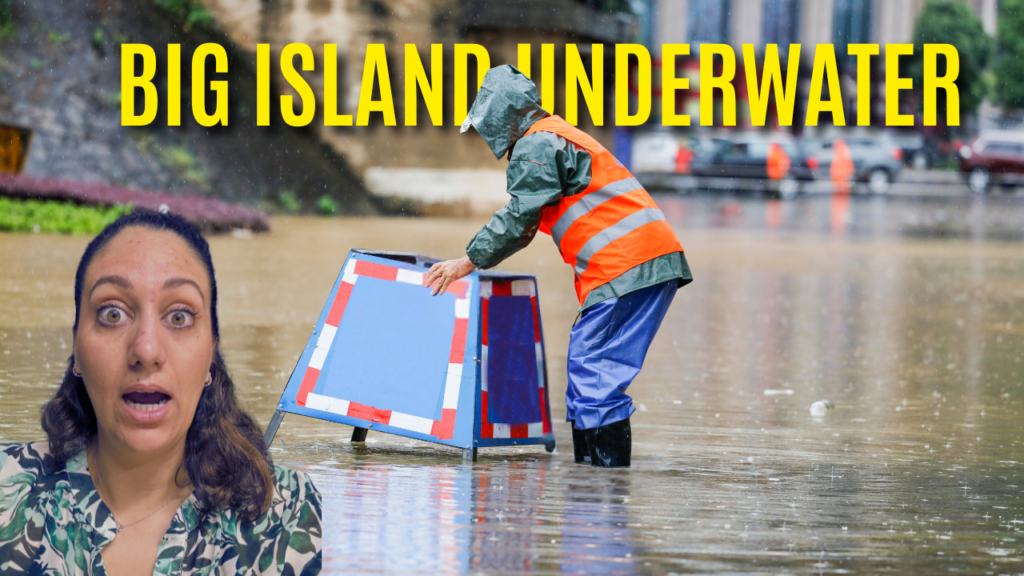
Building in Hawaii’s Flood Zones? Here’s What You Must Know Before You Buy
Dreaming of building a home in paradise? You’re not alone. But before you fall in love with a tropical lot near a stream or shoreline, there’s one critical factor you need to understand: Big Island’s flood zones.
In a recent YouTube video, “Building in HAWAII’s Flood Zones? What You Need to Know,” we dive into what these designations mean, and how they impact your ability to build, insure, and protect your future island home.
Let’s break it down…
https://youtu.be/TqL8nwH-4DM?si=BXwXmg1173exD0rfWhat Is a Flood Zone—and Why It Matters in Hawaii
Hawaii’s breathtaking landscapes come with unique environmental risks. Due to high rainfall, sloped terrain, and proximity to the ocean, many areas across the Big Island are marked as flood-prone.
Flood Zone = Risk + Regulation
Buying land in a designated flood zone doesn’t mean you can’t build—but it does mean more planning, cost, and responsibility.
Did You Know? Flood zone maps are created by FEMA and used to help determine building restrictions, insurance needs, and risk factors.

Key Things to Know Before Buying in a Flood Zone
1. Flood Insurance Is Often Required
If you’re financing a property in a FEMA-designated flood zone, your lender will likely require flood insurance—which can cost thousands annually depending on the level of risk.
Tip: Even if you’re paying cash, flood insurance is still highly recommended for peace of mind.
2. Your Build May Require Elevation or Special Design
In high-risk areas, new construction must meet strict elevation requirements, meaning your home may need to be built on stilts or engineered to allow floodwaters to pass safely underneath.
These design standards can significantly impact:
-
Construction cost
-
Permitting time
-
Architectural flexibility
3. You Must Know the FEMA Flood Map Designation
Before you buy, review the FEMA flood map for that specific property. Common designations include:
-
Zone AE – High-risk flood zone; elevation requirements apply
-
Zone X – Moderate to low risk; less stringent building requirements
Pro tip: Work with a local real estate expert (like me!) who knows how to read these maps and interpret what they mean for your build.

Why Even “Low-Risk” Flood Zones Deserve a Closer Look
You might be thinking, “As long as I’m in Zone X, I’m safe from flooding—right?” Not quite. While Zone X is considered outside the “Special Flood Hazard Area” (meaning a much lower official chance of flooding), real-world conditions aren’t always as predictable as a government map.
Local Nuances Can Trump the Map
Living in a Zone X area typically means:
- Lower required flood insurance costs (and sometimes, no insurance needed at all)
- Less strict building codes relating to flood risk
- A statistical “less than 0.2% chance” of serious flooding in any given year
But here’s the kicker: Conditions on the ground can differ from what FEMA’s flood maps suggest. Microclimates, sudden heavy rain, blocked drainage, or upstream construction can all trigger surprise flooding—even in so-called low-risk zones. There have been reports of significant water levels cropping up in Zone X areas, especially after unusual weather or in neighborhoods with unique terrain.
Smart Shopping: Don’t Skip the Local Research
So what’s a savvy buyer to do if that dream property is in a “safe” zone? Go beyond the map:
- Ask neighbors about their experience with flooding over the years.
- Check for visible flood markers (like high-water stains on fences, trees, or walls).
- Be aware of local terrain—properties on ridgelines or hills may be better protected, but valley bottoms and flatlands can sometimes surprise you.
- In areas like Maui, where microclimates vary and flood mapping isn’t as precise, rely on local knowledge (and perhaps a second set of eyes!) when evaluating a site.
A Zone X designation is a helpful starting point, but it’s not a guarantee. Combining official data with boots-on-the-ground diligence can save you a world of trouble—and protect your slice of paradise for years to come.
Understanding the Main FEMA Flood Zones in Hawaii
Before you start shopping for your dream plot, it’s smart to get familiar with the different FEMA flood zone classifications you’ll spot on Hawai’i’s maps. Each designation tells a story about potential risk, insurance requirements, and what kind of construction headaches (or peace of mind) you can expect. Here’s a quick rundown of what you’ll find on the Big Island and beyond:
Flood Zone D — The Unknowns
Flood Zone D represents land that FEMA simply hasn’t mapped for specific flood hazards yet. It’s the great “question mark” of flood zones. While lenders typically treat it as a lower risk (no automatic insurance required), don’t let your guard down entirely. Without concrete data, the flood risk could range from negligible to significant.
If you’re eyeing property in a Zone D area:
- Tap into local knowledge—chat with neighbors or local realtors about any known flood history.
- Do a visual inspection for hints like water lines, soil deposits, or odd erosion patterns on the site.
Common on Oahu in spots like Ewa Beach and Pearl City, but almost everywhere around the islands in some fashion.
Flood Zone X & XS (Shaded X) — The Low-Risk Contenders
If minimizing flood worries tops your list, properties marked as Zone X are generally outside the high-risk floodplains. This translates to:
- Lower or no mandatory flood insurance—often a big cost saver.
- Statistically less than a 0.2% chance of flooding each year.
But don’t pop the champagne just yet! Even Zone X properties can see localized flooding, especially after heavy rain. Always inspect for past flood evidence, regardless of what the map says.
Zone XS (sometimes called “Shaded X”) is a low-to-moderate risk designation, covering either:
- Land protected from major flooding by levees,
- Or areas within the broader 500-year floodplain but outside the highest risk zones.
On Oahu, look inland and up the mountains for Zone X strongholds; most of Maui is mapped as X, but double-check because microclimates can surprise even the savviest buyers.
Flood Zone A — High Risk, Uncertain Depths
Zone A is one of the “Special Flood Hazard Areas,” meaning that a 1% annual chance (or higher) of flooding is expected. What makes it tricky—and costly—is that FEMA hasn’t defined just how deep the water can get. Think of Zone A as a gamble: the risk is real, but severity is a bit of a mystery until you bring in surveyors and experts.
Key points:
- Flood insurance is almost always required for mortgages.
- Construction may require higher foundations, more robust designs, and extra engineering.
- These parcels can be found in picturesque spots, but the risk (and insurance premiums) reflect that draw.
Flood Zone AE — High Risk with Specifics
Like Zone A, AE is high risk, but with a twist: professionals have mapped out the “base flood elevation.” That means you (and your builder) know the expected water level in a significant flood, allowing for smarter home design and permitting.
Expect:
- Strict building and elevation requirements.
- Higher insurance rates than X, but less ambiguity than plain “A.”
- You’ll find these zones at the bottoms of valleys, near streams, or where flash flooding is known to occur—often in some of the state’s most lush (read: beautiful and flood-prone) acreage.
Flood Zone AO — Flowing Water
AO also sits within the 100-year floodplain, but the risk comes from shallow, fast-moving water usually ranging from one to three feet deep. Properties in AO often perch at the base of slopes—water moves through, rather than pooling in place.
Here, it’s especially important to:
- Check flood velocity designations (ask your engineer or a savvy Realtor).
- Ensure home designs allow water to pass safely around and under the structure.
Flood Zone AH — Shallow, Slow Pooling
Zone AH covers areas with a 1% annual risk, but instead of rapid water, you’re more likely to encounter slow, shallow pooling—like what happens near wetlands or low-lying fields. Again, expect depth to range from one to three feet, but water isn’t likely to rush through with force.
Building on AH property means:
- Accounting for the potential of long-lasting water around the home.
- Special drainage or grading may be necessary for peace of mind.
Each FEMA flood zone carries its own pros, cons, and responsibilities. If you’re choosing a property, consult current FEMA maps, talk to local real estate professionals, and—when in doubt—err on the side of extra due diligence. Remember, a breathtaking island view is best enjoyed with dry feet and a well-prepared insurance policy in hand.
Why Do People Still Build in Flood Zones?
Despite the red tape and added costs, many buyers are still drawn to properties in flood zones—and for good reasons.
These areas often offer some of the most desirable real estate—think oceanfront views, close proximity to beaches, and unique properties that are otherwise hard to come by.
For buyers seeking a true island lifestyle or high-return vacation rentals, the trade-off can be worth it. With proper due diligence, flood insurance, and structural precautions, owning property in a flood zone can still be a smart investment.
Plus, many flood zones in Hawaii are classified as low to moderate risk, and modern construction methods, elevation techniques, and proper drainage planning can significantly reduce vulnerability.
In short, buyers are willing to take calculated risks to enjoy the beauty, lifestyle, of owning property near the water.
Final Thoughts: Should You Avoid Flood Zones in Hawaii?
Not necessarily. But you do need to: ✔ Understand what you’re getting into
✔ Plan for extra costs
✔ Hire professionals familiar with island-specific codes and risks
✔ Work with a local agent who can guide you through the complexities
Ready to Build or Buy Land on the Big Island? Let’s Talk.
As a top 1% producing real estate agent in Kailua-Kona, I help my clients make smart, informed decisions about building and buying on the Big Island—whether it’s oceanfront land or acreage further mauka (mountainside).
Schedule a Consultation