
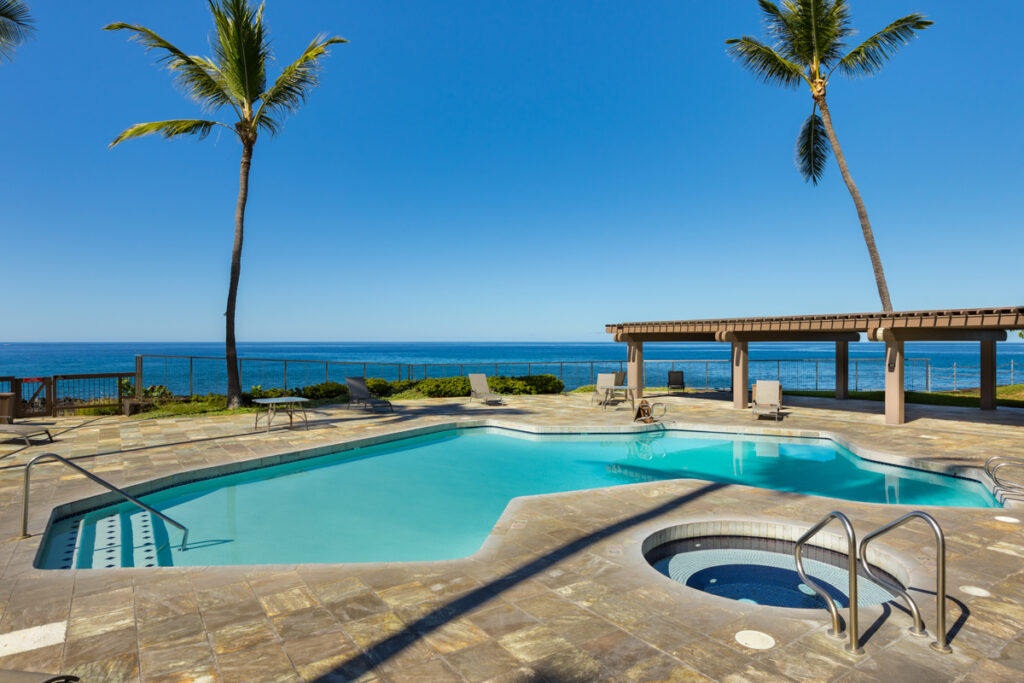
If you’ve been dreaming of moving to paradise, you’re likely wondering about the cost of living in Kailua-Kona. As one of the most popular towns on the Big Island, Kailua-Kona offers ocean views, sunshine year-round, and a laid-back lifestyle—but that lifestyle comes with a few quirks, especially when it comes to expenses.
Whether you’re comparing Kona Hawaii cost of living to the mainland or trying to budget your new island life, here’s a detailed breakdown of what you’ll actually spend living in this beautiful town on the west coast of the Big Island.
Why the Cost of Living in Kailua-Kona Can Be High
Let’s address the big question: Why is it so expensive to live in Kailua-Kona? Much of it comes down to logistics. Hawaii is the most remote island chain in the world, and most of our goods—from groceries to furniture—must be shipped in. That adds cost to just about everything.
The good news? Not everything is more expensive. You’ll find locally grown produce, bulk shopping at Costco, and ways to save—if you know where to look.
Eating Out in Kailua-Kona: What to Expect
Dining out in Kona can be a treat—but it’s helpful to know the going rates before you grab a table with an ocean view.
Here’s a quick snapshot of what you’ll typically pay:
- Lunch specials: Expect to pay around $23 for a standard cafe or plate lunch.
- Dinner for two at a sit-down restaurant: Plan on $110 to $120 for an entrée each, plus drinks and tip—especially if you’re at a place with sunset views.
- Grab-and-go or fast-food meal: About $11 for a combo meal at places like McDonald’s or L&L Hawaiian Barbecue.
- Local craft beer (pint): Usually $9 or so at most bars and brewpubs.
- Cappuccino or fancy coffee drink: Around $6 at a local café—slightly higher at resort spots.
- Soft drinks (bottled or fountain, 16–20 oz): Typically $3, sometimes a little more.
While the costs can feel steep compared to the mainland, many find the local flavors, fresh ingredients, and laid-back setting well worth the splurge. Consider mixing up your routine with farmers’ markets or happy hour menus to keep your budget happy, too!
Grocery Shopping in Kona: What You’ll Actually Pay
One of the most common concerns about the living cost in Kona Hawaii is food. Here are real prices I found recently at Safeway and Costco in Kailua-Kona:
-
Milk: ~$6/gallon
-
Eggs: ~$7/dozen
-
Papayas: ~$1.50 each
-
Bread: ~$6/loaf
-
Bell Pepper: ~$3.50 each
Bulk shopping helps. Just note that perishable items can spoil faster in the humid climate, so plan meals wisely.
https://youtu.be/a9o1O5OISIw?si=W2XXg90E24CD_Adc
Utilities and Gas Prices in Kailua-Kona
Energy and fuel are major components of the cost of living in Kona, HI:
-
Electricity: ~$0.56/kWh (vs. the U.S. avg. of ~$0.16)
-
Gasoline: ~$5.00/gallon (fluctuates weekly)
These numbers mean you’ll want to be energy-conscious. Solar panels and hybrid vehicles are popular here for a reason.
Healthcare Costs Without Insurance
If you’re relocating and don’t yet have local health coverage, expect to pay:
-
Basic urgent care visit: ~$150 (pre-tax)
-
Specialist visits and lab work: Vary greatly
This is where comparing living costs between Kona Hawaii and your current city becomes important. If you’re self-employed or remote, make sure your healthcare plan travels well.
Real Estate Snapshot: What Homes Cost in Kailua-Kona
Though we’re focused on living costs, many people also ask about the Kailua-Kona Hawaii cost of living as it relates to housing. Here’s a quick reference:
-
Single-family home: ~$1.3M
-
Condos with STVR (Short-Term Vacation Rental) permits: ~$700K
-
Condos without STVR permits: ~$500K
Keep in mind: Hawaii County property taxes are among the lowest in the U.S., which helps offset these prices. That said, you’ll still need to budget for maintenance, HOA fees, and insurance—especially in lava zones or oceanfront areas.
What’s the Cost of Living per Week in Kona?
Here’s a rough estimate for a couple living modestly:
-
Groceries: $200–$250/week
-
Gas & Transport: $75/week
-
Utilities (electricity, water, internet): $150–$250/week
-
Dining & Entertainment: $100–$150/week
➡️ Estimated Total: ~$600–$800/week
For those asking about the cost of living per week in Kona, this gives you a practical idea before making the leap.
Kona vs. Hilo: Comparing the Big Island’s Coasts
If you’re torn between Kona and Hilo, here’s a side-by-side look at the cost of living in Kona vs Hilo:
| Category | Kailua-Kona | Hilo |
|---|---|---|
| Housing | Higher ($1.3M avg) | Lower ($700K avg) |
| Utilities | Slightly lower | Slightly higher (humid) |
| Groceries | Comparable | Slightly cheaper |
| Weather | Dry, sunny | Wet, lush |
| Ocean Access | Better beaches | Rocky coastline |
Kona offers more sunshine, ocean access, and lifestyle perks—making it a top contender for the best place to live on the Big Island despite the higher cost.
How Does Kona’s Cost of Living Stack Up Against Major Mainland Cities?
Curious how the price tag of paradise compares to bustling cities just across the Pacific? While Kailua-Kona’s sun, surf, and scenery are hard to beat, the dollar signs can make you wonder if you’d be better off in Oakland or Calgary. Let’s put Kona next to some major U.S., Canadian, and Mexican cities to see how it measures up.
U.S. West Coast Cities
If you’re coming from California metros like Los Angeles or San Jose, you’ll find that day-to-day costs in Kona—groceries, utilities, gas, and healthcare—are typically on par or slightly higher, even though our small-town charm can’t compete with their population sizes. For example:
- Los Angeles, CA: Big city, lots of traffic, average rent slightly less than Kona’s, but groceries and gas can feel almost familiar.
- San Diego, CA: Similar climate and ocean vibes, but you might find more affordable housing there (even if only by a hair).
- Sacramento/Fresno/Stockton: Generally lower in overall living expenses, but with none of the island breeze or year-round papaya supply.
Comparing to Cities Across the Border
For those imagining a cross-border adventure:
- Vancouver, BC or Calgary, AB: Housing may sometimes be cheaper, but keep your eye on higher taxes and heating costs up north.
- Tijuana, Mexicali, or Durango, Mexico: These Mexican cities come with drastically lower living costs—but, of course, it’s a true apples-to-lilikoi comparison in terms of lifestyle and amenities.
What’s the Bottom Line?
Simply put: Kona’s cost of living matches or exceeds many major North American cities—especially in housing and utilities. You might save on heating or winter wardrobe, but groceries and imported goods often cost a premium. Kona definitely isn’t a bargain-basement beach town, but for many, the tradeoff is worth it for island life and year-round sunshine.
If you’re moving from San Jose or Seattle, you likely won’t experience sticker shock. Folks relocating from mid-sized or southern U.S. cities may find Kona’s cost a leap—but nothing compares to grabbing your morning coffee with a view of Hualalai.
Insider Tip: Adjusting to Island Pricing
Not everything will shock your wallet. Local farmer’s markets, budget-friendly cafes, Costco, and even Walmart help balance things out. But don’t underestimate “island inflation”—it’s a real thing, especially if you like imported snacks, specific brands, or luxury items.
Final Thoughts on the Cost of Living in Kona, Big Island Hawaii
The cost of living in Kailua-Kona Hawaii is higher than many places on the mainland—but for many, the lifestyle is worth every penny. With good planning, smart shopping, and some local insight, you can thrive here without overspending.
If you’re considering a move and want an insider’s take on life here, I’d love to help. As a local real estate agent who also made the move from the mainland, I specialize in helping buyers like you transition smoothly and confidently.
Ready to Explore Kona Living?
Let’s talk. I’ll help you plan your move, explore neighborhoods, and navigate the financial realities of life in paradise. Reach out for a no-pressure consultation and let’s make your Hawaii dream a reality.