
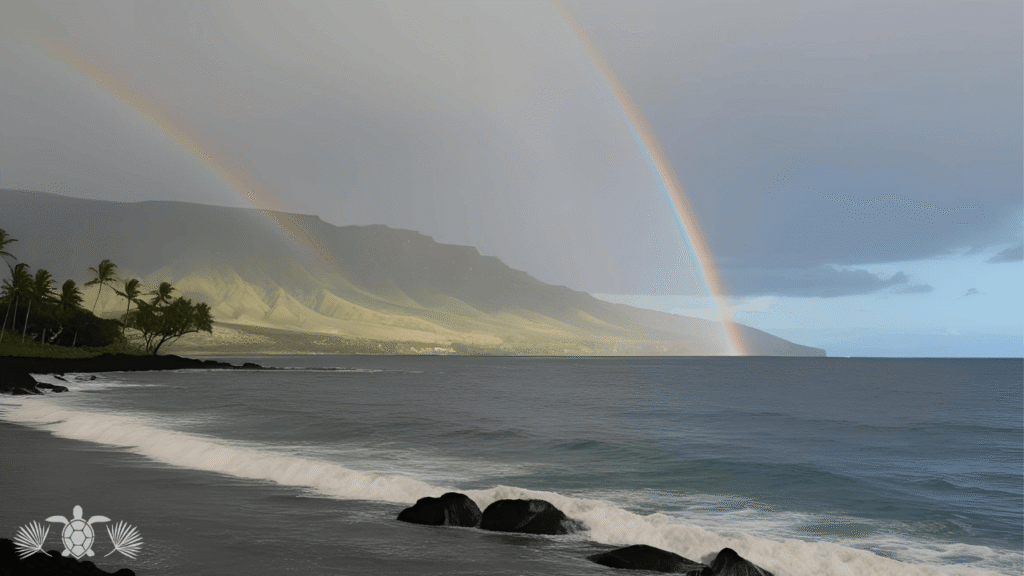
Does it really get cold in Kona? While Hawaii’s tropical climate may suggest endless warmth, Kona’s unique geography creates subtle variations, especially between coastal areas and the higher elevations. Here’s what being cold in Kona really means, so you can plan your stay accordingly!
What is Kona Weather, and When Does it Occur?
Kona weather is a unique climate condition experienced in the Hawaiian Islands. While the region typically benefits from refreshing trade winds, there are periods when these winds come to a halt. During these times, typically occurring several times a year, the wind shifts directions.
Rather than the usual cooling breezes from the northeast, the wind changes to blow from the south or west. This shift leads to the onset of kona weather, characterized by either stormy conditions or a bout of hot, sticky air.
The term kona itself signifies “leeward” or “south,” indicating the origin of these weather systems as they approach the islands.
In summary, kona weather interrupts Hawaii’s usual trade wind patterns, bringing about noticeable shifts in temperature and humidity, often marked by stormy skies or sultry temperatures.
What Are the Two Main Seasons in Hawaiʻi, and What Are Their Characteristics?
Hawaiʻi experiences two primary seasons that define its climate: summer and winter.
- Summer (Kau): This season spans from May to October. During this period, temperatures at sea level hover around a warm 85°F (29.4°C) during the day. The nights are cooler, dropping about 10°F below the daytime temperature. Summer offers more consistent sunshine, often accompanied by gentle trade winds.
- Winter (Hoʻoilo): From November to April, Hawaiʻi enters its winter phase. Daytime temperatures are slightly cooler, averaging 78°F (25.6°C). Similar to summer, nighttime temps dip roughly 10°F from the daytime highs. While winter in Hawaiʻi sees more rainfall, it’s generally localized and often results in lush, green landscapes.
These seasons exhibit minor temperature fluctuations, making Hawaiʻi’s climate reliably pleasant year-round

Is It Really Cold in Kona? Climate Breakdown
Kona, located on the leeward (west) side of the Big Island, enjoys a warm, stable climate thanks to the surrounding volcanic mountains that block the trade winds. With more sunshine and less rain than places like Hilo, Kona is known for its ideal beach weather.
While Kona basks in dry, sunny days, it’s worth noting the contrast with Hilo on the island’s windward side. Hilo is famous for its rainforests and is consistently ranked among the wettest towns in the United States. Even so, Hilo remains pleasantly warm throughout the year, with average highs in the low 80s and nighttime lows in the 60s. If you find yourself caught in one of Hilo’s frequent rain showers, it’s the perfect excuse to visit the area’s stunning waterfalls or enjoy the lush, green scenery that the extra rainfall brings.
This stark difference between Kona’s sunny coast and Hilo’s rainforest climate showcases just how varied Hawaiʻi’s weather can be, even within a single island. Let’s get into the details on what being cold in Kona really means.
The volcanic mountains in Hawaiʻi do more than just shape local climates; they create an incredible collection of diverse micro-environments across the islands. Thanks to the mountains’ shielding effect and the distinct weather variations at different elevations, Hawaiʻi offers a remarkable range of climates.
- Tropical Rainforests: Lush and vibrant, these areas receive consistent rainfall, creating a haven for diverse plant and animal life.
- Cool Alpine Regions: At higher elevations, temperatures drop, and the environment shifts to cooler, breezy conditions.
- Arid Deserts: Some regions experience minimal rainfall, resulting in dry, desert-like landscapes.
- Sunny Beaches: Perfectly complemented by the volcanic backdrop, these areas bask in the sun, ideal for relaxation and recreation.
All these environments exist within a few miles of each other, showcasing the profound impact of volcanic mountains on Hawaiʻi’s climate diversity. This interplay of natural forces not only defines the weather patterns but also shapes the unique character of each island.
From Summit to Shore: Temperature Swings Across the Big Island
The Big Island truly lives up to its name, not only in size but in the dramatic range of climates you’ll encounter as you explore from coast to peak. Depending on where your Hawaiian adventure takes you, you can go from balmy beach days to brisk alpine chills—all within a short drive.
Kailua-Kona:
If you’re seeking endless summer, Kailua-Kona delivers. Tucked along the leeward coast, this area enjoys classic beach weather almost every day of the year. During peak summer months like August and September, expect highs in the mid-80s°F (about 29°C), while nighttime lows rarely drop below the low 70s°F (around 22°C). Even in winter, “cold” in Kona is a relative term; nighttime temperatures occasionally reach the mid-60s°F (18°C) but bounce back to a sun-soaked 80°F (27°C) by day. It’s the perfect setting for those who’d rather pack a swimsuit than a sweater.
Hilo:
Venture over to the windward side and Hilo welcomes you with an abundance of tropical rain. Famed for its lush rainforests and waterfalls, Hilo is also one of the rainiest cities in the U.S.—so don’t forget your umbrella. Despite the showers, Hilo remains consistently warm: daytime highs hover in the low 80s°F (27°C), while nights cool off to the low 60s°F (16°C). Even during a downpour, the scenery is nothing short of spectacular.
Mauna Kea:
Now for the true temperature wildcard: Mauna Kea. Rising nearly 14,000 feet above sea level, this volcanic giant hosts an alpine climate more akin to the Rockies than the tropics. Up here, prepare to bundle up—daytime highs are often only in the 40s°F (4-9°C), and overnight lows can plunge toward the teens (-7°C). Snow isn’t uncommon at the summit, adding a surreal contrast to the island’s sunny shores below.
Whether you’re chasing sunshine, rainforest mists, or even a dusting of snow, the Big Island’s patchwork of microclimates ensures there’s always a new atmosphere to experience—often within the same afternoon.
How Cold Does It Get in Kona Day and Night?
- Daytime Temperatures
Generally, daytime temperatures in Kona range between 78°F and 88°F (about 25°C to 31°C) throughout the year. During winter months, December through February, you might see temps drop to around 78°F to 82°F (25°C to 27°C), but overall it’s comfortably warm. - Nighttime Temperatures
At night, temperatures can dip to 65°F to 72°F (18°C to 22°C), especially in winter. For those from colder climates, this might feel mild, but long-time residents and locals might actually find it a bit chilly—especially in Kona’s higher elevation neighborhoods like Holualoa and Kealakekua. - Temperature Variations
Typically, nighttime temperatures are approximately 10°F lower than daytime temperatures. This consistent drop creates a noticeable difference, allowing for cooler evenings after warm, sunny days. Whether you’re enjoying a beach day or exploring the town, the evening brings a refreshing change, perfect for unwinding.
By understanding these variations, you can better plan your activities and pack accordingly, ensuring you’re comfortable no matter the time of day.
What Does “Cold” Mean in Kona’s Winter?
Does it get cold in Kona during winter? Not by most standards! Coastal Kona stays warm, but as you move up the mountain slopes, things cool off. The higher elevations, like Holualoa and Kealakekua, can drop to 55°F at night in winter, which does feel cool, especially if you’re not expecting it. A light sweater or jacket can come in handy in these areas.

Understanding Temperature Changes with Elevation
As you venture higher into Hawaiʻi’s mountainous regions, keep in mind that temperatures drop approximately 3.5°F for every 1,000 feet you ascend. This means that areas at higher elevations, such as the summit of Haleakalā at 10,023 feet, can be significantly cooler—up to 30°F colder—than the balmy coastal resorts.
If you’re planning a trip to the summit of Mauna Kea, standing almost 14,000 feet above sea level, prepare for a dramatic change in climate. Up here, average high temperatures typically linger in the 40s, and nighttime lows can dip dangerously close to 10°F. It’s not uncommon for snow to blanket the summit, turning the landscape starkly different from the tropical beaches below. So, whether you’re chasing sunrise atop Haleakalā or marveling at the stars from Mauna Kea, be sure to dress in layers and bundle up—Hawaiʻi’s mountains are full of surprises.
This makes dressing in layers essential when exploring these stunning landscapes. Opt for pants and several layers of clothing to ensure comfort as you transition from the warmth of the coast to the chill of the mountains.
Whether you’re hiking through lush trails or simply taking in the breathtaking views, being prepared for the temperature shifts will ensure your experience is both enjoyable and comfortable.
Do You Need Heating for the Cold in Kona?
When people think of Kona, they usually picture sunshine and balmy beach weather—but what many don’t realize is that it can get quite cold in Kona, especially in the higher elevations of the region. While most coastal homes rely on ceiling fans and open windows to stay cool, homes up in the hills—like in Holualoa or Kalaoa—may experience cooler nights during the winter months.
Trade Winds and the Cold in Kona
Kona’s trade winds bring a pleasant breeze throughout the year, keeping things comfortable even in summer. During winter, the winds add a little extra chill at night, especially if you’re staying up in the hills or mountains.
But there’s more to these winds than just comfort. Throughout the year, trade winds play a significant role in shaping Hawaiʻi’s weather patterns. Originating from high-pressure zones in the north Pacific, they carry cool, moist air across the islands. As these winds hit the islands’ northeastern slopes, they are pushed upward by the mountains, causing the moisture they carry to condense into clouds.
This process results in rain, predominantly on the windward (northeastern) side of the islands. The frequent rainfall nurtures Hawaiʻi’s rich, green, tropical environment, painting a lush landscape that is as much a part of the islands’ identity as their beaches.
By understanding the intricate dance of wind and terrain, visitors can better appreciate the natural beauty and diversity that Hawaiʻi offers, from the breezy coastlines to the verdant mountainsides.
What Are Some Other Causes of Hazy Conditions in Hawaiʻi Besides Vog?
While vog, or volcanic smog, is a well-known cause of haze in Hawaiʻi, it’s not the only factor muddying the otherwise clear island skies. Here are a few other reasons why the air might appear hazy:
- Salt Spray: Near the coastlines, you might notice a finer, misty haze. This is often the result of salt spray suspended in the air, driven by winds and crashing waves.
- Morning Moisture: In the mountain areas, particularly during the morning hours, atmospheric moisture can create a hazy appearance. This is due to moisture being pulled upward along the ridges, forming a mist that blankets the peaks.
By recognizing these natural occurrences, you can better appreciate the variety of atmospheric phenomena that contribute to hazy conditions in Hawaiʻi.
Checking Vog Conditions Before Visiting Hawaiʻi Island
Before planning your trip to Hawaiʻi Island, it’s essential to monitor vog (volcanic smog) conditions to ensure a pleasant experience.
Vog, a common phenomenon caused by volcanic emissions, can affect air quality and visibility. Vog—short for “volcanic fog”—forms when sulfur dioxide and other gases, primarily from Kīlauea’s Halemaʻumaʻu Crater on Hawaiʻi Island, mix with moisture in the air and sunlight. When the volcano is active and prevailing winds shift, this hazy pollution can drift across the island and, at times, reach other parts of the state.
What does this mean for visitors?
On days when vog is heavy, you may notice hazy skies, muted sunsets, or even experience physical symptoms such as watery eyes, headaches, or mild breathing discomfort. These effects can be especially pronounced for young children or people with respiratory conditions like asthma. If you’re sensitive to air quality changes, it’s best to avoid strenuous outdoor activity when vog levels are high.
Here’s how you can check vog conditions:
- Local News Websites: Visit Hawaiian news sites to find updated weather reports. They often include vog forecasts that detail affected areas and expected changes.
- Gov Weather Services: Access sites like the National Weather Service (NWS) for comprehensive weather information, including air quality reports that account for vog.
- Vog Forecast Tools: Use dedicated online platforms that offer real-time vog maps and air quality indices, providing a visual representation of vog impact across the island.
- Mobile Weather Apps: Download popular apps that feature environmental updates. Many apps include vog information tailored for Hawaiʻi.
By staying informed, you can plan your activities around potential vog presence and enjoy your visit to the fullest. If you have any concerns or sensitivities, consider learning more about vog before your trip, especially if you plan to explore areas near Hawaiʻi Volcanoes National Park.
Current Weather Snapshot Across the Hawaiian Islands
If you’re wondering what to expect weather-wise around the islands, here’s a quick look at conditions for some of the most popular locales—from lush Kauaʻi to sunny Kona. Whether you’re planning a day at the beach or a scenic drive through the hills, it’s always good to know what the skies have in store.
Kauaʻi
- Poipu: Expect light rain and temperatures in the low 70s°F, with occasional breaks for clearer skies over the next few days.
- Līhuʻe: Light rain is on tap, with daytime highs hovering near 70°F. Scattered clouds will make appearances later in the week.
- Kapaʻa: Similar to the other towns, there’s a mix of light rain and partly cloudy periods, with temperatures in the upper 60s to low 70s°F.
Oʻahu
- Honolulu: Gentle to moderate showers will bring cooler air, with highs in the low 70s°F and periods of scattered or broken clouds.
- West Side & North Shore: Look for light rain or overcast conditions, keeping things a bit cooler especially in the mornings. Temperatures here can dip into the upper 60s°F.
Molokaʻi & Lānaʻi
- Hoʻolehua & Kaunakakai (Molokaʻi): Cloudy stretches dominate the forecast, broken up by some light rain and the occasional sunny interval. Highs generally linger around the low 70s°F.
- Lānaʻi City & Manele Bay: Expect a combination of cloud cover and spotty showers, with clear skies making brief appearances. Temperatures hover near 70°F.
Maui
- Kahului Airport, Wailea, Kaʻanapali: Overcast skies and light rain showers are the norm this week, with most areas reaching the upper 60s to low 70s°F. Drier, brighter moments may pop up, especially toward the weekend.
Hawaiʻi Island
- Hilo: Mostly clear or partly cloudy, but keep an umbrella handy for an occasional shower—especially as the day cools off. Highs are in the upper 60s to low 70s°F.
- Kailua/Kona & Surroundings: Expect mostly broken clouds with a few passing light rain showers. Warm daytime temperatures in the mid-70s°F should keep things comfortable for outdoor adventures.
- Puakō: The weather trend continues with cloud cover and occasional light rain, along with pleasant temps in the low 70s°F.
As always, the weather in Hawaiʻi can shift quickly, especially with those famous trade winds sweeping through. Be sure to check your preferred weather app (especially those with local radar, like Weather Underground) for the latest updates before heading out.
Kona’s Monthly Temperature Breakdown
Let’s get specific! Here’s what you can expect temperature-wise in Kona each season:
| Time of Year | Daytime Temp Range | Nighttime Temp Range | Typical Weather |
|---|---|---|---|
| January – March | 78°F – 82°F | 65°F – 68°F | Mild and slightly wetter |
| April – June | 80°F – 85°F | 68°F – 71°F | Warm, sunny, with trade winds |
| July – September | 85°F – 88°F | 72°F – 74°F | Warmest, generally dry and sunny |
| October – December | 80°F – 84°F | 67°F – 70°F | Mild with some late afternoon rain |
These averages remain pretty consistent, with higher elevations like Holualoa experiencing slightly lower temperatures.

What Are the Average Near-Shore Water Temperatures in The Hawaiian Islands Throughout the Year?
The Hawaiian Islands boast pleasant near-shore water temperatures year-round. On average, the water temperature hovers around 74°F (23.3°C). During the summer months, these temperatures can reach a warm high of roughly 80°F (26.7°C). This makes the islands an ideal destination for water activities any time of the year.
What to Pack for the Cold in Kona
If you’re visiting or moving to Kona and wondering what to pack for those “cooler” nights, here’s a quick list:
- For Coastal Kona (Kailua-Kona, Keauhou)
- Light clothing like t-shirts, shorts, and dresses year-round.
- A light sweater or hoodie for cooler nights.
- For Higher Elevations (Holualoa, Kealakekua)
- Light layers, especially in winter.
- A warm jacket or fleece for evening and morning outings.
Preparing for Higher Elevations in Hawaiʻi
When exploring Hawaii’s breathtaking higher elevations, like Kōkeʻe on Kauaʻi or Haleakalā on Maui, it’s crucial to be prepared for significant temperature changes. As you climb, remember that temperatures drop approximately 3.5° F for every 1,000 feet of elevation.
- Temperature Considerations
At the summit of Haleakalā, which sits at 10,023 feet, temperatures can be about 30° F cooler than the coastal resort areas. Dressing in pants and several layers is advisable to stay comfortable. - Sun Protection
The sun’s UV rays are more intense at these high altitudes. Ensure you pack sunblock and sunglasses to protect yourself from sunburn.
By considering these factors and packing accordingly, your visit to Hawaii’s diverse landscapes will be both enjoyable and comfortable.
More Must-See Spots on the Big Island (Beyond the Beaches)
While the Big Island’s beaches are undeniably spectacular, there’s plenty more to discover across this diverse island. Venture inland to explore Hawaiʻi Volcanoes National Park, where the dramatic landscapes and active lava flows make for a truly unforgettable adventure. If you’re a fan of botanical wonders, the lush gardens of Hilo—such as the Hawaiʻi Tropical Bioreserve & Garden—promise an explosion of colors, scents, and rare tropical plants.
Don’t miss a drive up to Mauna Kea, the island’s tallest peak. Whether you’re stargazing at the summit with researchers from the world-renowned observatories, or simply enjoying the panoramic views, Mauna Kea offers experiences you can’t find anywhere else in Hawaiʻi. On your way, consider stopping at Waipiʻo Valley Lookout for sweeping vistas of valleys sculpted by ancient streams and waterfalls.
You might also enjoy exploring the vibrant farmers’ markets in towns like Waimea and Kailua-Kona, or sampling local treats at one of the island’s famous coffee farms. With its mix of volcanoes, rainforests, cultural sites, and small-town charm, the Big Island truly has something for every curious traveler.
How Local Weather Reports Enhance Your Hawaiian Adventure Planning
When you’re planning a trip to Hawaiʻi, local weather reports become an invaluable resource. They don’t just provide temperatures and forecasts; these reports are your guide to understanding daily conditions, ensuring you make the most of your visit.
Stay Ahead of Every Plan
- Vog and Air Quality Updates: Hawaiʻi’s volcanic activity can affect air quality with vog, a form of volcanic smog. Local weather reports give updates on air quality, helping you choose locations where you can enjoy the island’s beauty without discomfort.
- Surf and Ocean Conditions: If you’re hoping to catch some waves or spend a day snorkeling, local reports provide details about surf conditions and ocean advisories. This information can keep you safe and guide you to the best spots for water activities.
- Rainfall and Sunshine: Hawaiʻi’s microclimates mean weather can vary dramatically from one part of the island to another. Local forecasts let you know which areas might experience rain and which are basking in sunshine, helping you optimize your itinerary for outdoor adventures.
- Temperature Fluctuations: From warm beach weather to unexpectedly cold in Kona’s upland regions, daily forecasts help you pack for beach days and mountain excursions—sometimes both in the same day!
Planning for the Unexpected
Local weather reports can also alert you to any severe weather warnings or natural events that might affect your plans. With real-time updates, you’ll be prepared for unexpected changes, giving you peace of mind and flexibility.
Always Pay Attention to Safety Alerts
Before setting out for a hike, swim, or any outdoor adventure, take a moment to check for posted weather warnings. Hawaiʻi’s conditions can change quickly—strong currents, high surf, or sudden rain can impact safety, especially in winter. If the waves look intimidating at your favorite beach, nearby coves or more sheltered spots may offer calmer conditions. Don’t hesitate to ask hotel staff or a lifeguard about current ocean conditions, and keep an eye out for warning flags or posted signs.
By staying informed and flexible, you’ll be able to adapt your plans with confidence—maximizing both your fun and your safety while exploring the islands.
Conclusion
Tuning in to local weather reports isn’t just for locals—it’s a savvy move for anyone exploring the islands. By understanding Hawaiʻi’s climate patterns and knowing when it might get cold in Kona or where vog is rolling in, you’ll be able to maximize your experience and move through your adventure with ease and flexibility.
Make the weather work for you, and you’ll discover that every day in Hawaiʻi can feel like paradise—if you plan wisely.
How Does Winter Rain Typically Affect Vacation Plans in Hawaiʻi?
When planning a trip to Hawaiʻi during the winter months, you might wonder how rain could impact your vacation. While the wetter season spans from November to March, it’s important to note that Hawaiʻi’s rain is typically quite localized. This means that a little rain doesn’t have to ruin your plans.
In Hawaiʻi, a cloudy sky or a sudden shower in one area rarely stops you from enjoying the sun elsewhere. Here’s why:
- Localized Weather: Rain might fall in one spot, but a short drive can lead you to sunshine just around the corner.
- Scenic Diversity: With a variety of climates across the islands, you can often find sunny beaches even when the rain rolls in at your current location.
- Outdoor Alternatives: If rain does set in, explore indoor attractions, local museums, or indulge in Hawaiʻi’s delectable cuisine.
So, while Hawaiʻi experiences more rain from late fall to early spring, you can still enjoy an unforgettable vacation with plenty of sunshine to keep your plans on track—even if you’ve wondered whether it ever gets cold in Kona.
FAQs: Is It Ever Cold in Kona?
1. Does Kona Get Snow?
No, Kona doesn’t get snow! However, nearby Mauna Kea and Mauna Loa volcano summits, both over 13,000 feet, do receive snow in winter. You can experience snow on the island by heading up to these mountains and enjoy the rare sight of snow from sunny beaches.
2. Is There a Rainy Season in Kona?
Kona’s leeward side keeps it dry compared to the eastern side of the island. Winter months tend to be slightly wetter, but even then, rainfall is often light and brief, mostly in the late afternoons or evenings.
In the Hawaiian Islands, the majority of rainfall occurs in the mountains and valleys located on the northeastern side, known as the windward side. This unique weather pattern is responsible for shaping Hawai‘i’s lush, green, tropical landscapes.
What causes this? Hawaiʻi’s weather patterns are largely driven by high-pressure zones in the north Pacific, which send cool, moist trade winds toward the islands. As these trade winds hit the towering volcanic mountains, they’re forced upward, causing the moisture to condense into clouds and bring rain—mainly to those windward slopes. Most days, you’ll notice that while the windward side enjoys frequent showers (and those vibrant rainbows), the leeward side—including Kona—stays much drier and sunnier thanks to the shelter provided by the island’s peaks.
So, while you might spot dramatic clouds and rain in the distance, rest assured that sunny beaches are never far away, and those green mountain backdrops are the result of a climate perfectly balanced between sun and rain.
3. When’s the Best Time to Visit Kona for Warm Weather?
Kona’s warm year-round, but for the hottest temps, visit from June to September. Even then, we’re talking a difference of just a few degrees, so you’re likely to enjoy beach weather whenever you come.
4. Do You Need Air Conditioning in Kona?
It depends. Many prefer having AC, especially in the summer months, but higher elevations stay naturally cooler, often using fans and open windows instead.
5. Are Evenings in Kona Cool Year-Round?
Yes, Kona evenings are generally cooler than the days by about 10-15 degrees. Winter nights are the coolest, with summer evenings remaining warmer.
Does It Really Get Cold in Kona?
Kona’s mild climate and natural beauty make it ideal for both residents and visitors. The mild shifts between daytime and nighttime temperatures mean you can enjoy beach days and comfortable evenings throughout the year. Whether it’s coastal warmth or the higher-elevation chill you prefer, Kona’s microclimates provide the best of both worlds!
Beyond Kona, the Hawaiian Islands boast an incredible collection of diverse micro-environments. Thanks to the shielding effect of volcanic mountains and the differences in weather at various elevations, these islands offer an array of natural wonders.
- Tropical Rainforests: Lush, vibrant, and teeming with life, perfect for adventurers and nature lovers.
- Cool Alpine Regions: Experience a refreshing chill at higher elevations, offering a stark contrast to the tropical climate.
- Arid Deserts: Unique landscapes with a beauty all their own, showcasing the islands’ surprising diversity.
- Sunny Beaches: Pristine shores for relaxation and water activities, where the sun shines nearly every day.
All these diverse environments coexist within a surprisingly short distance, making the Hawaiian Islands a true paradise of contrasts. Whether you’re exploring Kona’s inviting beaches or hiking through a misty rainforest, the islands promise an unforgettable experience for every visitor.
Schedule a Consultation