
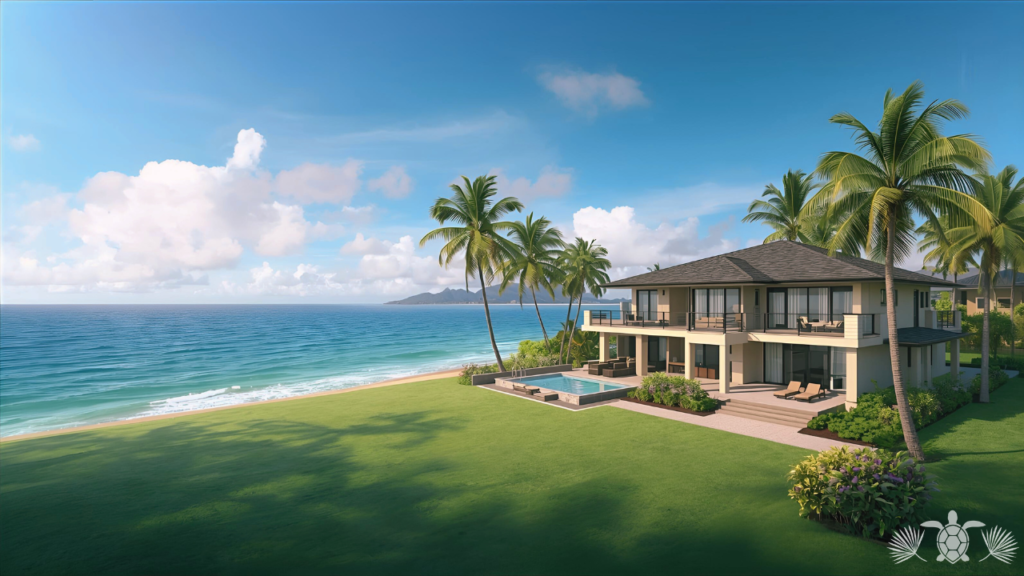
Buying property in Hawaii is as much about choosing your lifestyle as it is selecting a home. The Island of Hawaii—known as the Big Island—offers unmatched variety: sunny resort coastlines, cool upcountry ranchlands, lush rainforest towns, and vibrant communities anchored by culture and nature. Whether you’re relocating, investing, or seeking a second home, this guide delivers Big Island–specific insights to help you move with clarity and confidence.

Big Island Real Estate Overview for New Buyers
The Big Island’s real estate market is uniquely diverse, ranging from luxury oceanfront estates along the Kohala Coast to charming plantation homes in Hilo and practical family residences in Waikoloa Village. Kailua-Kona remains a magnet for sun-seekers, coffee farm enthusiasts, and short-term rental investors, while Waimea (Kamuela) appeals to those who want cooler temperatures, excellent schools, and a small-town feel with ranching heritage.
Compared to other Hawaiian islands, the Big Island typically offers more land for the dollar, plus a wider spectrum of property types. You’ll find fee simple single-family homes, condos with resort amenities, off-grid retreats with water catchment, and agricultural parcels where you can grow, graze, or simply enjoy elbow room. This breadth lets buyers match lifestyle goals—surfing before work, tending a small farm, or teeing off at resort courses—to the right neighborhood.
Inventory and pricing vary significantly by area and lava zone, so micro-market knowledge matters. Kohala and Kona resort areas often see strong second-home and vacation rental demand, while Hilo and Hamakua draw full-time residents who prioritize community, schools, and value. The right local agent will help you decode these submarkets and time opportunities within them.
The USGS Hawaii Volcano Observatory provides up-to-date maps for lava zones as reference.
Microclimates and Lifestyle Diversity on Big Island
In Hawaii real estate, location means more than views—it means microclimate. The leeward side (Kailua-Kona, Waikoloa, Kohala Coast) is typically warm, sunny, and dry, ideal for beach days, golf, and poolside living. The windward side (Hilo, Puna, Hamakua) is lush and green with frequent rain, supporting waterfalls, botanical gardens, and thriving farms. Elevation shifts can change temperature by several degrees within minutes.
Waimea sits at roughly 2,600 feet, offering cool evenings, mountain vistas of Mauna Kea and Mauna Loa, and a ranch-town lifestyle with farmers markets and top-rated schools. Volcano and Mountain View provide cool rainforest living and creative communities, while South Kohala and North Kona deliver resort conveniences, dining, and world-class beaches. Each zone shapes daily life: your wardrobe, garden, energy use, and even what kind of roof you’ll prefer.
Buyers should consider microclimates alongside commute patterns and amenities. For example, Waikoloa Village delivers sunshine, a community feel, and value compared to oceanfront resorts, while Holualoa blends art galleries with coffee farms just mauka of Kailua-Kona. A discovery tour that spans morning in Kona, lunch in Waimea, and afternoon in Hilo is the best way to “try on” your future lifestyle.

Step-by-Step: The Hawaii Property Buying Process
Start with financing and goal-setting. Speak with a local lender who understands Hawaii-specific underwriting—condo-tels, CPR properties, and lava zones can affect loan programs and insurance. Get pre-approved to define budget and strengthen offers, and share your lifestyle priorities (climate, amenities, rental goals) with your agent so your search targets the right neighborhoods from Kona to Hilo.
When you find a fit, your agent will draft an offer using the Hawaii Association of REALTORS Purchase Contract. Typical contingencies include inspection (J-1), title review, appraisal, financing, and, for condos, review of documents and budgets. During due diligence, you may order a termite inspection (TIR), survey/staking, condo or HOA documents, and specialized reports (e.g., cesspool/septic status, lava zone considerations, flood and wind exposure).
Escrow and title companies play a central role in Hawaii. They hold earnest money, coordinate with your lender, verify title, and prepare closing documents. Many closings are done remotely with notarized signing. Upon recording, you receive keys and access instructions if purchasing a condo or resort property. A good agent will also connect you with property managers, contractors, and utility resources to ease your move-in or rental launch.
Hidden Costs, Financing, and Ownership in Hawaii
Beyond purchase price, budget for appraisal, escrow/title fees, home and pest inspections, and homeowners insurance—plus hurricane, wind, and flood coverage where applicable. Lava Zone 1–2 properties may require specialized or higher-cost insurance and can limit conventional financing. Condos and resort communities often include HOA fees that cover amenities, exterior maintenance, and sometimes utilities; review budgets and reserves for potential special assessments.
Understanding ownership types is crucial when buying property in Hawaii. Fee simple is most common on the Big Island, though leasehold does exist in select areas. CPR (Condominium Property Regime) properties divide a larger parcel into individually owned units (which can be homes, cottages, or agricultural lots). Agricultural zoning may affect uses, water availability, and building options, so verify your plans with County of Hawaii Planning and the HOA if one exists.
If you plan to rent, note that short-term vacation rentals (STVR) are regulated by the County of Hawaii. Only certain zoning and registered nonconforming properties are eligible. You’ll also need tax compliance for Hawaii’s General Excise Tax (GET) and Transient Accommodations Tax (TAT). For financing, local lenders can offer portfolio loans for condo-tels, rural properties, and non-warrantable condos. VA, USDA (in eligible areas), and jumbo options are widely used across Kailua-Kona, Waikoloa, and Kohala.
You can explore the County’s Real Property Tax Office to understand exemptions and payment details.

Timing the Market and Choosing Your Island Life
Market conditions on the Big Island can differ by coast and price band. Resort markets in Kohala and North Kona tend to be influenced by second-home demand and tourism cycles, while Hilo and Waimea respond more to local employment and school calendars. Inventory often tightens in peak visitor seasons, and well-priced homes can move quickly, especially in Kailua-Kona and Waikoloa Village.
Rather than chasing a perfect “dip,” focus on readiness: have pre-approval in hand, study your target micro-markets, and be prepared to act when the right Hawaii home appears. Building can be attractive on larger acreage, but factor in timelines, permitting, contractor availability, and material costs. Existing homes may offer faster occupancy and mature landscaping—especially desirable in windward rainforest zones.
Ultimately, buying property in Hawaii is a lifestyle decision. If you dream of morning surf and sunset mai tais, consider Kailua-Kona, Keauhou, or the Kohala Coast. For greener views, cultural events, and university-town energy, Hilo is compelling. If cool nights, paniolo heritage, and farmers markets call to you, Waimea delivers. Anchor the choice in how you want to live day-to-day—and let the market timing align with that vision.
The Big Island’s strength is its diversity—of climates, communities, and ways to live. With clear goals, local guidance, and smart due diligence, buying property in Hawaii can be both practical and deeply rewarding.
Ready to explore homes in Kailua-Kona, Waikoloa, Kohala, Hilo, Waimea, and beyond? Reach out today and let’s map your next step.
Related Articles
What you need to know about Hawaii property tax
How much does it cost to live in Hawaii?
Guide to buying a house in Hawaii