
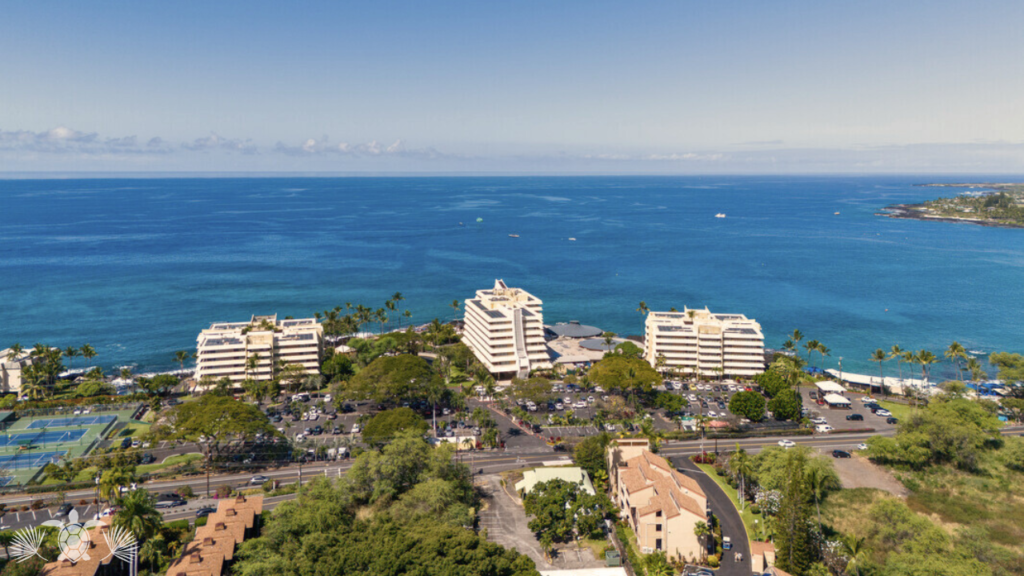
When buyers start searching for Big Island Homes, one of the first challenges they face isn’t price—it’s where to live. Hawaii’s Big Island is incredibly diverse, offering dramatically different climates, lifestyles, and property types depending on the region. From the sunny Kona Coast to the lush landscapes of Hilo, and from resort-style luxury to hobby farms and affordable full-time living, there truly is no one-size-fits-all answer.
In this guide, I’ll break down the main regions and lifestyles buyers gravitate toward when exploring Big Island Homes, based on what I see every day working with relocation buyers, second-home owners, investors, and full-time residents. Understanding these differences can save you time, money, and stress—and help you fall in love with the right part of the island.
Buyers exploring Big Island Homes often benefit from understanding Kona, Waimea, Hilo, and Kohala Coast micro-markets before touring properties.
Where to Buy Affordable Big Island Homes
https://www.youtube.com/watch?v=AReLEzsGU4g&t=38s
Big Island Homes for Luxury & Resort-Style Living
For buyers seeking high-end luxury, Big Island Homes often mean resort-style communities along the Kona and Kohala Coast. These areas offer a turnkey lifestyle with world-class amenities.
Popular luxury neighborhoods include:
-
Kohanaiki
-
Kukio
-
Hualalai
-
Mauna Lani
-
Select gated communities along the Kohala Coast
Homes in these areas typically feature private beach access, multiple pools, golf courses, owner-only dining, fitness facilities, tennis and pickleball courts, and organized social events. Many properties are gated, offering privacy and security, which is especially appealing to second-home buyers and retirees.
These Big Island Homes are ideal for buyers who want to arrive, relax, and enjoy island living without worrying about daily maintenance or logistics.
Big Island Homes for Investors & Short-Term Rentals
Another major category of Big Island Homes is investment-focused properties. Investors are often drawn to condos and townhomes in areas with strong visitor demand and high occupancy rates.
The most common investment locations include:
-
Kailua-Kona
-
Waikoloa Beach Resort
-
Select resort-zoned condo complexes
These properties often allow short-term vacation rentals, making them attractive to buyers who want income potential while still enjoying personal use a few months per year. Proximity to beaches, grocery stores, restaurants, and attractions plays a major role in rental performance.
Understanding zoning, HOA rules, and rental regulations is critical when evaluating Big Island Homes for investment purposes.

Big Island Homes for Second-Home Buyers
Second-home buyers often look in the $1–2 million range and prioritize convenience, safety, and proximity to amenities. These buyers may spend part of the year on the island and leave their home unattended for months at a time.
Popular areas for second homes include:
-
Kailua-Kona
-
Waikoloa Village
-
Waimea
-
Select neighborhoods near beaches and hospitals
Many second-home buyers want Big Island Homes that are close to medical care, beaches, grocery stores, and lifestyle activities such as golf, pottery, or farming. Homes that are easy to lock up and maintain are especially desirable.
Big Island Homes for Full-Time Living & Affordability
For full-time residents, affordability and daily convenience matter most. Buyers in this category often prioritize commute times, schools, grocery stores, and access to work.
Common full-time living areas include:
-
Hilo
-
Mountain View
-
Volcano
-
Hawaiian Paradise Park (HPP)
-
Select Kona neighborhoods
These Big Island Homes are often more affordable than those on the west side but come with important trade-offs. East-side living typically means more rain, higher humidity, and different insurance considerations—especially related to lava zones and flood zones.
Understanding microclimates is essential when choosing where to live full-time on the Big Island.
East-side living typically means more rain, higher humidity, and different insurance considerations—especially related to lava zones, which are mapped and monitored by the U.S. Geological Survey’s Hawaiian Volcano Observatory.
Big Island Homes for Hobby Farms & Rural Living
One unique opportunity on the Big Island is the ability to own land suitable for hobby farming. Buyers interested in growing coffee, tropical fruit, or raising animals often seek acreage rather than proximity to town.
Popular hobby farm regions include:
-
South Kona
-
Puna
-
North Hilo
-
Parts of Keaau
These Big Island Homes often sit on fertile land with excellent growing conditions but may require off-grid solutions such as solar power and catchment water systems. Buyers must also consider flood zones, access roads, and wind exposure depending on location.
Choosing the right region depends heavily on what you plan to grow and how hands-on you want to be with land management.

A Hidden Gem for Big Island Homes
One area that many buyers initially overlook—but often fall in love with—is Waimea. Waimea offers a rare combination of cooler temperatures, ocean views, and relative affordability compared to resort areas.
While it can be windier than other regions, Waimea provides a unique “upcountry” lifestyle that appeals to buyers who want cooler weather, ranch-style living, and a strong sense of community—all while still being within reach of Kona and the Kohala Coast.
For many buyers, Waimea ends up being the perfect balance of lifestyle, price, and livability.
Final Thoughts on Choosing Big Island Homes
The beauty of Big Island Homes lies in their diversity. Whether you’re drawn to luxury resorts, investment properties, second homes, full-time living, or rural acreage, the Big Island offers options that simply don’t exist elsewhere in Hawaii.
The key is understanding how climate, location, zoning, and lifestyle intersect—because choosing the right region is just as important as choosing the right house.
Property taxes on the Big Island are generally lower than many mainland markets, and buyers can review current rates and homeowner exemptions through the Hawai‘i County Real Property Tax Office.
If you’re considering Big Island Homes and want help narrowing down the areas that truly fit your lifestyle, goals, and budget, I’d love to help you navigate your options with clarity and confidence.
Relevant Articles
What to Know About Hawaii Property Taxes