
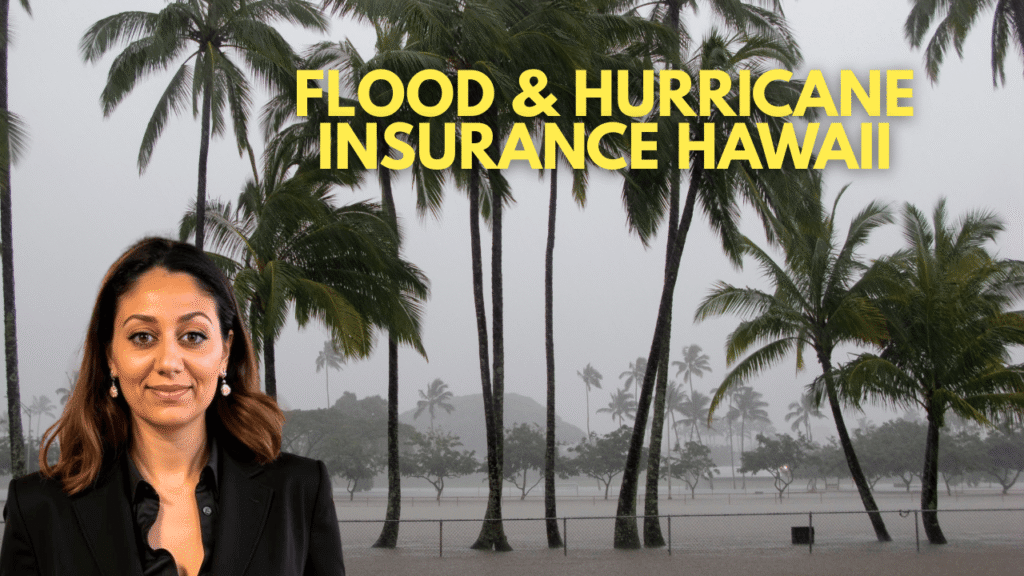
For retirees dreaming of laid-back island living, there’s nothing quite like Hawaii. But before you settle into your Big Island retreat, it’s crucial to understand hurricane & flood insurance in Hawaii—especially if you’re relocating from the mainland.
As a top-producing real estate agent on the Big Island, I’ve helped many retirees navigate the not-so-glamorous—but incredibly important—side of homeownership: protecting your home against Hawaii’s natural elements.
Why Hurricane & Flood Insurance in Hawaii Are Separate
One of the first surprises for many newcomers is this: Homeowners insurance in Hawaii does NOT automatically cover flood or hurricane damage.
You’ll need:
-
Flood insurance in Hawaii – for damage caused by rising water, runoff, or flash flooding
-
Hurricane insurance in Hawaii – for wind damage caused by tropical storms or hurricanes
Together, they form a critical safety net—especially in coastal or low-lying zones.
What Is the Ordinance & Law Exclusion—And Why Does It Matter in Hawaii?
Here’s a curveball most Mainlanders never see coming: the “Ordinance & Law” (O&L) exclusion you’ll find in many homeowners insurance policies—especially those using standard forms designed for the continental U.S. Essentially, this exclusion means your policy won’t pay to bring your home up to current building codes during a covered repair.
Sounds minor, but here’s the catch for Hawaii: Our local building codes, especially after 2007, changed significantly—largely as a response to hurricane vulnerabilities and local construction styles. With so many older homes on the islands, you could end up footing a big bill just to comply with updated regulations if you ever need to rebuild or restore after a loss.
Some specialized insurance options here include Ordinance & Law enhanced coverage (often bundled with replacement cost policies), closing this loophole—no extra premium required. This means, should the worst happen, you won’t get stuck paying out of pocket just to satisfy current Hawaii building requirements. That’s a peace of mind every homeowner deserves.
Flood Insurance in Hawaii – Who Needs It and Why
Hawaii’s heavy rains and mountainous terrain make many areas susceptible to sudden flooding. Even if your home is a few blocks from the ocean, a tropical downpour could cause serious damage.
Is Flood Insurance Required?
If your home is in a FEMA-designated flood zone (Zones AE, VE, etc.) and you’re financing the property, lenders will require flood insurance in Hawaii.
Even if it’s not mandatory, many retirees choose coverage for peace of mind.
Will New Flood Maps Affect Your Flood Insurance Requirement?
Here’s a common question from new homeowners—and it’s a smart one: “How do I know if changing flood maps mean I need to buy flood insurance in Hawaii?”
FEMA regularly updates flood zone maps to reflect new risks. When these maps change (such as the updated O‘ahu maps coming in April 2026), your home’s flood zone designation may shift. If your property moves into a high-risk zone (like Zone AE or VE) and you have a mortgage backed by a federal lender, you’ll likely be required to carry flood insurance—even if you didn’t need it before.
How to Check Your Flood Zone:
- Visit the official FEMA Flood Map Service Center online.
- Ask your real estate agent or insurance provider to confirm your flood zone status.
- Pay attention to local announcements about map updates, especially if you’re in an area known for flood risk.
If your home’s designation changes, your lender or insurance agent should notify you, but it’s always wise to check for yourself—especially before big transitions like purchasing or refinancing a property. This way, you’ll be prepared for any changes in insurance requirements and avoid last-minute surprises.
How Updated FEMA Flood Maps Affect Flood Insurance in Hawai‘i
Every few years, FEMA updates its flood maps to reflect changing weather patterns, new development, and improved understanding of local flood risks. The most recent round—scheduled for O‘ahu in April 2026—means it’s time for homeowners to pay close attention.
Why does this matter? Because your property’s placement on these maps can redefine your flood insurance requirements overnight. If the new maps designate your home as being in a higher-risk zone and you have a federally backed mortgage, your lender will now require you to carry flood insurance—even if you didn’t need it before.
Here’s what you should do:
- Review Your Flood Zone Status: Don’t assume your property is safe. Even homes farther inland can be newly mapped into higher-risk areas.
- Consult Your Insurance Agent: They can help you determine whether you’ll need to add or update your flood insurance policy once the new maps go into effect.
The bottom line? FEMA’s revised maps can reclassify neighborhoods—with significant impacts for both coverage requirements and premium costs. Staying ahead of these changes gives you time to plan, budget, and avoid last-minute surprises when the new rules kick in.
How Much Is Flood Insurance in Hawaii?
Rates vary based on risk zone, elevation, and structure type.
Average Cost:
-
Low-risk zones: $400–$800/year
-
High-risk areas: $1,200–$2,500+/year
A property with good drainage, elevation, or flood vents may qualify for lower premiums.
Top Flood Insurance Companies in Hawaii:
While FEMA’s National Flood Insurance Program (NFIP) is the most common, you can also explore:
-
First Insurance Company of Hawaii
How Long Before Flood Insurance Kicks In?
If you’re considering a flood insurance policy through the National Flood Insurance Program (NFIP), be aware: coverage doesn’t start right away. There’s typically a 30-day waiting period from the time you purchase your policy until it becomes active.
So, if you think you can grab a policy after a big storm is in the forecast—unfortunately, you’re out of luck. You’ll need to plan ahead and secure your coverage well in advance, rather than waiting until those rain clouds start to gather.
This video goes over flood zones on the Big Island, how to read the flood map. Between this blog post and the information in the video, you’ll be able to get a much better understanding of flood, insurance, and hurricane on the Big Island.
https://youtu.be/TqL8nwH-4DM
Hurricane Insurance in Hawaii – What It Covers
While hurricanes don’t strike the Big Island as often as other islands, we are still vulnerable to strong winds, flying debris, and wind-driven rain—especially during hurricane season (June to November).
A Look Back at Notable Storms
Hawaii isn’t immune to powerful storms. Hurricane Iniki serves as a sobering reminder—back in 1992, it battered Kauai with winds topping 160 mph and left a lasting mark as the most destructive hurricane in the state’s history. Other hurricanes, including Iwa in 1982 and Dot in 1959, have also tested Hawaii’s resilience, causing severe damage and emphasizing why proper hurricane coverage is so important for homeowners and businesses alike.
Hurricane Insurance Coverage in Hawaii Includes:
-
Roof damage from high winds
-
Broken windows
-
Water intrusion caused by wind (but not floodwater)
-
Damage to exterior structures
Note: This is not the same as flood damage caused by rising water. That’s why both types of coverage are essential.
Hawaii Hurricane Insurance Rates
Like flood insurance, hawaii hurricane insurance rates vary based on:
-
Your location (coastal vs inland)
-
Construction type (roof type, hurricane clips)
-
Replacement cost of the home
- Mitigation measures
- Insurance company
Why Details Beyond Age Matter for Hurricane Insurance
When it comes to hurricane insurance in Hawaii, many companies have historically relied on one number: the age of your home. But that’s a bit like judging a book by its cover (or a condo by its construction date). The real risk to your property depends on far more—features that actually protect you in a storm.
Here’s why a detailed evaluation makes a world of difference:
- Building Materials: A newer home isn’t automatically more resilient if it’s built with basic materials, and some older homes have been retrofitted with top-notch hurricane upgrades.
- Roof Strength and Attachments: Metal roofs, hurricane clips, and reinforced trusses can make a home far less vulnerable—even if the property is decades old.
- Elevation and Drainage: Homes designed with elevated foundations or excellent drainage systems can withstand nature’s worst far better than ground-level builds.
- Modernized Protection: Upgrades such as impact-resistant windows or added storm shutters can dramatically improve safety, regardless of “vintage.”
Focusing on these real-world mitigations—and not just when the house was built—means many Hawaii insurers (like First Insurance Company of Hawaii and others) may offer more accurate rates and fairer coverage for retirees. Ultimately, a thorough, feature-based approach ensures you’re protected for the right reasons, not just the calendar year stamped on your permit.
Hurricane Insurance Hawaii Cost-Saving Tip:
Homes with metal roofs, proper hurricane straps, or concrete walls may qualify for discounts from the best hurricane insurance Hawaii providers.

Comparing Risks on the Big Island
Knowing your home’s location and elevation makes a big difference in understanding risk—and insurance costs.
Kailua-Kona (West Side)
-
Dry climate, fewer floods
-
Some coastal homes require hurricane insurance – mostly the ones right on the beach
-
Popular with retirees for its sunshine and stability
Hilo (East Side)
-
Higher rainfall = more flood risk. The video above explains the different areas of Hilo & the flood zones.
-
Hurricane exposure is more frequent. Typically when there is a tropical storm, the Hilo side gets flooded with big storms. While the West side, typically, barely gets any rain.
-
Homes often require both policies.
-
Insurance premiums may be higher, but property values are lower.
Waimea, Holualoa, and Mauka Communities
-
Higher elevations = less flood risk. Those areas have ravines or ditches where the water routes. In the rare instances of very heavy rains, you may see those fill up.
-
Cooler temperatures, lush landscapes
-
Often lower premiums for both flood and wind coverage
Kohala Coast and Hawi Communities
- Windiest parts of the island. Typically have special requirements for roof pitch, tie-downs, and have higher insurance costs.
- Just like Waimea and Holualoa areas, there are a lot of ravines that rarely fill up when there are heavy rains. You may get stranded on your property if it truly rains a lot. Highly recommend getting French drains around the home for those rare instances.
If you’re unsure, I help all my clients check Hawaii flood insurance zones and wind exposure reports during the home search process.
Why Annual Policy Reviews Matter in Hawaii
Given Hawaii’s ever-evolving landscape—both literally and on paper—reviewing your insurance policies each year isn’t just a smart move; it’s practically essential. Flood zone maps are regularly updated by FEMA, and changes in local regulations or building codes can affect your coverage needs overnight.
If you’ve made upgrades to your home or if new neighborhood developments shift drainage patterns or risk levels, your policy should reflect those changes. Plus, insurance markets themselves aren’t static—premiums, deductibles, and coverage options can fluctuate based on the latest climate data or industry trends.
Annual check-ins ensure you’re still adequately protected against Hawaii’s unique hazards, and you won’t find yourself underinsured just when you need support most. Touch base with a local, Hawaii-savvy insurance agent (not your cousin’s old friend back in Des Moines) who can keep you updated on new risks—and new opportunities to strengthen your safety net.
Smart Questions to Ask Your Insurance Agent
When it comes to protecting your investment, it pays to ask the right questions before disaster strikes—not after. Here are some must-ask topics to bring up with your insurance agent:
- What exactly is covered if my home is damaged by a hurricane, windstorm, or tropical storm? It’s best to be crystal clear on the difference between wind damage, water intrusion, and flooding, since each may fall under a different policy.
- Do I need separate policies for events like flooding or earthquakes? Basic homeowners policies almost never cover floods or quakes in Hawaii—you’ll want to know what’s included and what isn’t.
- How do new FEMA flood maps or elevation certificates affect my insurance requirements or premiums? These updates can dramatically change both your need for coverage and its cost.
- Are there any discounts or mitigation credits for installing hurricane clips, impact windows, or upgrading my roof? Many insurers, including First Insurance Company of Hawaii and national carriers, offer savings for well-fortified homes.
- If my property is in a high-risk area, what’s the process for obtaining excess or specialty insurance? Your agent should help you navigate options if you’re outside what standard carriers will cover.
Having an open dialogue with your insurance professional now means fewer surprises when the weather—or the insurance bill—turns stormy.
Don’t Let Insurance Be an Afterthought
Understanding hurricane and flood insurance in Hawaii is just as important as picking the right floorplan or view. The good news? With the right strategy, your dream home can be both beautiful and well-protected.
If you’re planning your retirement move to Hawaii, let’s talk. I’ll help you find the right home, in the right zone, with all the answers you need.