

If you’re trying to decide on the best place to live on Big Island, the debate almost always comes down to two main contenders: Hilo and Kona. While both towns are on the same island, they feel like two different worlds—each with its own unique charm, weather, and lifestyle.
As a top-producing real estate agent in Kailua-Kona, I’ve helped many clients choose the side of the island that best fits their goals—whether it’s sunshine, community, investment potential, or retirement ease. Let’s dive into the real differences between Kona and Hilo so you can find your perfect island match
Best Place to Live on the Big Island: West vs. East
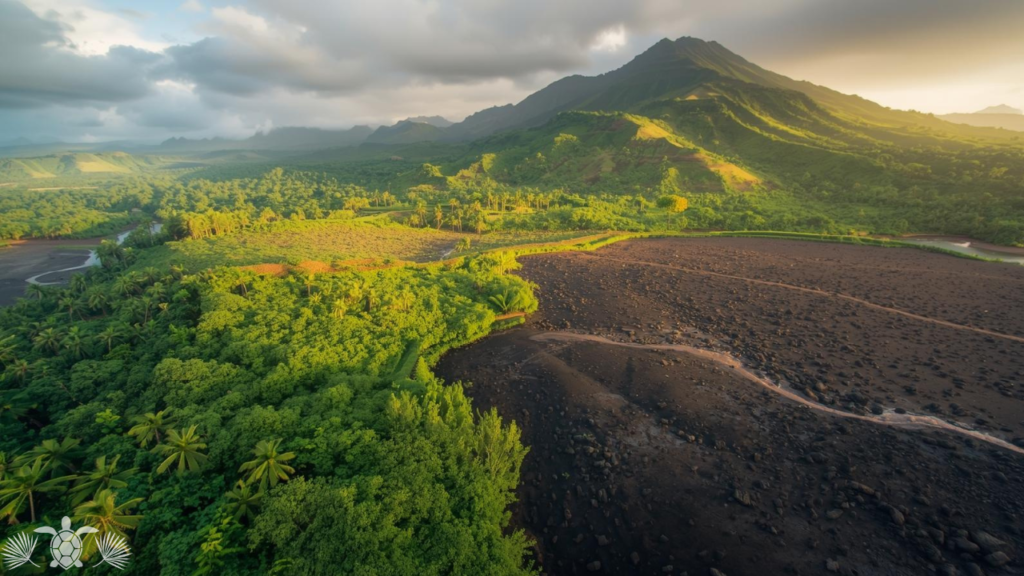
What truly sets the Big Island apart is the sheer variety of landscapes and microclimates you’ll discover within just a short drive. From black lava fields near Waikoloa to misty rainforests outside Hilo, and from snow-capped Mauna Kea to sunny coffee farms in Kona, the terrain and weather seem to change at every curve of the road.
This means you can wake up under clear blue skies and warm sun on the west coast, travel through rolling green pastures around Waimea, then find yourself surrounded by lush jungle and waterfalls on the east side—all in one day. It’s entirely possible to pack sandals and a rain jacket, knowing you’ll use both before sunset. This constant shift in scenery and atmosphere is part of what gives life here its adventurous, one-of-a-kind feel.
Kona sits on the sunny west coast, facing long, dry coastlines and epic sunsets. It’s known for beaches, lava rock landscapes, and dry, breezy days.
Kona’s Best Beaches – Where to Find Sun & Soft Sand
When it comes to beaches, Kona shines with some of the most picturesque stretches of coastline on the Big Island. Most are classic white sand beaches—perfect for anyone dreaming of postcard-worthy days by the water. Here are a few standouts you’ll want on your radar:
- Hapuna Beach State Park: Arguably the Big Island’s showstopper, Hapuna Beach offers a broad expanse of powdery white sand and dazzling turquoise water. Its gentle waves invite swimmers and bodyboarders alike, while the open shoreline is ideal for sunbathing or picnics under the palms. While it’s about a 40-minute drive north of downtown Kona, locals and visitors alike agree it’s worth every mile.
- Magic Sands Beach Park (Laʻaloa): Famous for its ever-changing shoreline, Magic Sands gets its nickname from the way the sand can vanish and reappear after big swells. Despite the name, you’ll usually find plenty of soft sand to stretch out on. It’s a quick 10-minute drive from downtown on Ali‘i Drive, and a great spot for a quick dip or a relaxed afternoon in the sun.
- Honl’s Beach: If convenience is key, Honl’s Beach is perfect. Just a stone’s throw from downtown Kona’s shops and restaurants, it offers a small but charming patch of white sand with street parking nearby. It’s a local favorite for sunset views or for catching a few waves before heading out for dinner.
Whether you’re looking for a tranquil place to swim, a lively hangout to catch waves, or just an iconic vista to enjoy the sunshine, Kona’s beaches offer something for every lifestyle.
Surfing in Kona: Fun for All Skill Levels
Kona’s coastline is famous for its sunny skies and gentle waves—an inviting combination for anyone hoping to get on a board. If you’re new to surfing, Kona is a fantastic place to learn. Numerous surf schools offer beginner lessons right on the sand, and the mellow breaks on the west side make those first attempts feel much less intimidating than some gnarlier spots on Oahu or Maui.
But beginners aren’t the only ones who enjoy Kona’s surf. Experienced surfers will also find several reliable breaks that offer consistent, rideable waves year-round. While the west coast doesn’t have the legendary monster swells of the North Shore, seasoned surfers appreciate the playful surf, warm water, and the chance to catch waves under endless sunshine. And—bonus—there’s a certain camaraderie here, with both locals and visitors swapping tips in the lineup.
So whether you’re grabbing your first board or paddling out for your hundredth set, Kona has a welcoming break for just about everyone.
Hilo vs. Kona Beaches: What to Expect
One of the most noticeable contrasts between Hilo and Kona comes down to the beaches. If you picture long stretches of soft white sand, you’ll find those mostly on Kona’s dry west coast—think Hapuna Beach and Kua Bay, both famous for postcard-perfect swimming and snorkeling.
Hilo, on the other hand, is shaped by a wilder side of nature. Thanks to the island’s volcanic history, beaches around Hiloare almost exclusively black sand or even rocky, with dramatic lava outcroppings. White sand beaches are virtually nonexistent in Hilo. The coastline here wears its geologic past with pride: think spectacular black-sand coves, tide pools, and lush backdrops dripping with rainforest greenery.
The waves on the east side also tend to run a bit rougher, so most Hilo beaches aren’t ideal for relaxed swimming. Instead, you’re more likely to find tranquil spots for tide-pooling, beachcombing, or taking in the sunrise. But don’t let the lack of white sand fool you—Hilo’s shoreline hosts some truly captivating beaches, each with their own personality and beauty.
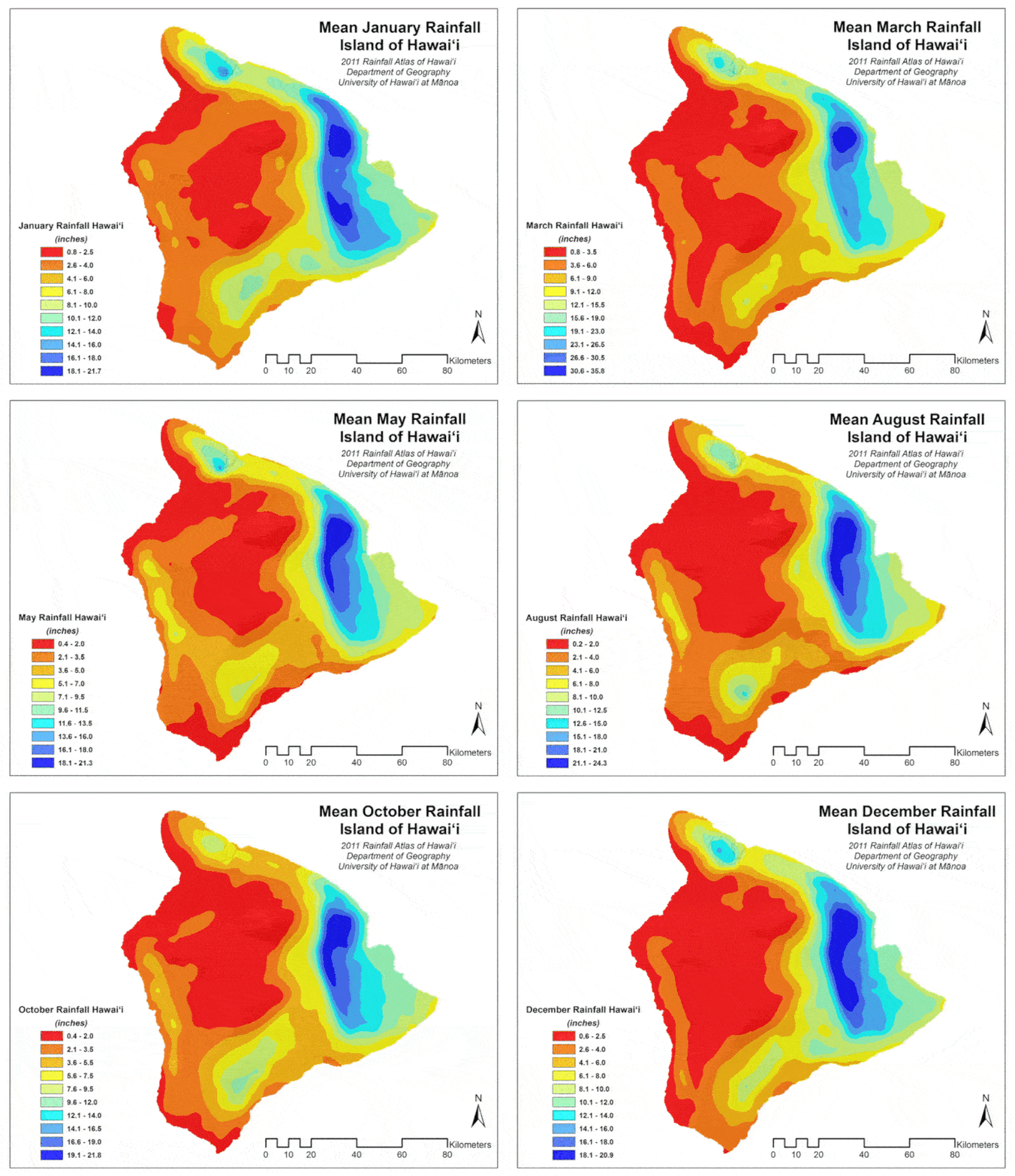
Kona = Dry & Sunny (~30 inches of rain/year)
Kona’s claim to fame is its reliable sunshine and dry climate—one of the sunniest spots on the island. If you’re picturing yourself spending days at the beach or exploring the coastline, Kona is your go-to. Most weeks, you’ll only see a rare shower or two, so you won’t have to worry about rain putting a damper on your plans. This predictably gorgeous weather is a big reason why Kona is the most popular destination for vacationers and sun-seekers alike.
Hilo = Wet & Lush (~130+ inches of rain/year)
While Kona basks in sun, Hilo holds the crown as one of the wettest cities in the entire United States. On this side of the island, you can expect frequent rain showers—sometimes daily! But don’t let that scare you off. Most Hilo showers are quick, often blowing through in less than an hour, and you’re still likely to catch plenty of sunshine (and the occasional classic Hawaiian rainbow) before the day’s done.
All that rain has its perks: Hilo’s landscape is a tapestry of lush rainforests, vibrant tropical plants, and cascading waterfalls. Driving around the east side, you’ll spot everything from working farms to wild, green hillsides—a true “rainforest Hawaii” experience that’s unique to this part of the island. If you’re drawn to greenery, serenity, and a slice of “old Hawaii,” Hilo’s tropical abundance is hard to beat.
Weather and Utilities: What You’ll Notice Day-to-Day
The contrast in climate between Kona and Hilo doesn’t just shape the scenery—it shows up in daily life, too, especially when it comes to utilities. Kona’s dry heat means air conditioning gets a workout, especially during those endless sunny afternoons. In Hilo, the dampness is the challenge: expect to use dehumidifiers or fans more often to keep things comfortable and mold at bay. Electricity bills can swing depending on which side of the island you’re on and how you keep cool or dry.
Water sources differ as well. Hilo generally has broader municipal water access, while Kona often relies on private wells or local water systems—something to keep in mind, whether you’re moving or just planning a longer stay. Across the island, solar power is becoming more common, with many residents turning to photovoltaic systems to help offset those sometimes-steep utility costs.
All in all, the weather you fall in love with here will shape not just your views but your everyday routines, too.
How Hilo’s Rain Shapes the Landscape
Hilo’s reputation as one of the rainiest cities in the U.S. isn’t just trivia—it’s the secret ingredient behind its striking scenery. Those frequent showers (often light and quickly passing) are what keep Hilo wrapped in endless shades of green. You’ll notice it immediately: thriving rainforests line the roads, tropical flowers spill over fences, and papaya and lychee farms dot the outskirts. Waterfalls—some well-known, others hidden—cascade down emerald hillsides just minutes from downtown.
Thanks to the rain, everything feels alive and vibrant, making Hilo the go-to for anyone chasing that lush, “garden island” vibe. The trade-off? You’ll probably pack an umbrella or embrace the local motto: if you don’t like the weather, just wait five minutes—chances are, you’ll spot a rainbow while you’re at it.
Why Is Snorkeling Less Common in Hilo Than Kona?
There’s a reason you hear about Kona’s beaches and crystal-clear snorkeling spots far more than Hilo’s. The east side of the island—the Hilo side—faces directly into the Pacific, taking the brunt of incoming waves, swells, and wind. As a result, the ocean here tends to be rougher, with choppier water and reduced visibility most days.
This wave action doesn’t just stir up the water; it also means fewer calm, sandy coves for snorkelers. In contrast, Kona’s west coast is sheltered from most of this wave activity. The water is calmer, clearer, and home to a greater abundance of fish-friendly coral reefs, making it a snorkeler’s paradise.
So, if you’re dreaming of gliding over reefs and spotting sea turtles in clear blue water, Kona’s gentle bays (think: Kahaluu Beach or Kealakekua Bay) are where you’ll want to grab your mask and fins.
Hilo: Ocean Adventures (and Challenges)
Hilo’s dramatic east shore is famous for its rugged coastline and beautiful black sand beaches, but it’s also where you’ll find some of the island’s most powerful ocean waves. Thanks to its direct exposure to the open Pacific, Hilo’s shoreline tends to have rougher surf and stronger currents—especially during winter months. These conditions can make swimming less inviting (and sometimes downright risky), but provide prime opportunities for seasoned surfers and adventurous bodyboarders.
For those who’d rather skip the surf, Hilo’s stunning waterfalls and rainforest hikes offer plenty of ways to enjoy the natural beauty without braving the waves. If safe, sandy swimming spots top your wish list, you might find Kona’s gentler bays more to your liking.
Hilo vs. Kona: Natural Hazards and Weather Trade-Offs
But ocean conditions aren’t the only thing shaped by geography. Hawaiʻi’s dramatic beauty comes with a few geological quirks you’ll want to keep in mind—especially if you’re considering a move, a long stay, or just want to understand the local vibe.
Hilo sits on the windward (eastern) side of the island, which means all that lush rainforest and those roaring waterfalls come at a price: frequent, heavy rainfall. While this keeps everything gorgeously green, it also raises the risk of flooding—especially during big storms—and can lead to occasional road washouts. The moisture can also be a challenge for homes, with mold sometimes making itself a little too comfortable. Parts of Hilo are also in or near lava flow zones, though much of central Hilo is considered relatively safe.
Meanwhile, Kona enjoys a drier, more predictable climate on the leeward (western) side. Flooding is less of a concern, and the region sits in a lower-risk lava flow zone. However, with less rain comes a different challenge: wildfires, which are most common in upland areas like Waikoloa and North Kona. And while earthquakes can be felt island-wide, they’re usually more of a brief thrill than a real hazard.
So, whether you’re braving the waves, hiking to a hidden waterfall, or just choosing your favorite side of the island, it pays to know what Mother Nature might have in store.
Why Exploring the Whole Island Matters
When it comes to getting a true feel for Big Island living, staying in just one spot simply doesn’t do it justice. Renting a car opens up a world of discovery: you can cruise from the black sand beaches of Punaluʻu to the lava rock shores of Kona and then weave your way into Hilo’s emerald rainforests—all in a single day if you like.
Each region feels like a different island entirely. The weather shifts, the scenery transforms, and you’ll quickly understand why locals joke that you can “chase the sun” across the Big Island. Whether you’re marveling at waterfalls near Akaka Falls State Park or sipping coffee in a Kona café, exploring by car gives you the freedom to soak up every microclimate and neighborhood the island has to offer.
If you’re on the fence about which side fits your lifestyle, experiencing both coasts firsthand can reveal which one truly feels like home. Plus, these drives can turn up little pockets of the island you’d never find if you stayed put.
Lifestyle Vibe – Laid-Back or Local?
Tourism and Traditions: The Heartbeat of Hilo and Kona
One of the biggest ways the Big Island reveals its character is through its blend of deep-rooted tradition and the pulse of tourism—and nowhere is this contrast more apparent than in Hilo and Kona.
Hilo is steeped in tradition. Here, family ties run deep, and local customs shape daily life. Whether you’re catching a canoe regatta or simply strolling the lively farmers market under Banyan trees, you’ll get swept up by a genuine sense of community that’s been growing for generations. Festivals celebrating Hawaiian heritage, like hula competitions and island parades, aren’t just for show—they’re essential threads in Hilo’s vibrant fabric.
<Kona, on the flip side, hums to a faster, more international beat. Thanks in part to its sunny allure and bustling resorts, you’ll cross paths with folks from every corner of the globe. This has fostered a melting pot vibe, perfect if you crave diversity and the ever-changing energy brought in by visitors and new residents. With an active mix of expats, remote workers, and locals, there’s always something new bubbling up in Kona—though the sense of permanence feels more fleeting compared to Hilo’s close-knit circles.
So, whether you’re drawn to the island’s time-honored traditions or the lively flow of travelers and fresh faces, each coast offers its own version of island life. It’s all about finding the rhythm that matches your own.
Kona Vibe:
-
Resort-style living with luxury neighborhoods and gated communities
-
Active lifestyle: paddleboarding, golf, sunset walks, outdoor dining
But that’s just the start—Kona’s endless sunshine means you’ll rarely run out of ways to enjoy the great outdoors. If you love having your weekends packed with activities, Kona delivers in spades.
Beaches & Water Adventures
Kona’s west coast is dotted with some of the island’s most iconic white sand beaches. Spots like Hapuna Beach State Park (a local and visitor favorite, about 40 minutes north of town) offer soft sand and gentle waves—perfect for swimming, bodyboarding, and soaking up the sun. Closer to town, Magic Sands Beach lives up to its name with an ever-changing shoreline, while Honl’s Beach is a convenient pick just steps from Kona’s shops and restaurants.
Snorkelers will feel right at home here. The calm, clear waters off the Kona coast are ideal for spotting vibrant fish and healthy coral reefs. Two Step Beach, south of Kona, is a must for underwater explorers, while 49 Black Sand Beach offers a rare west-side black sand experience—often with fewer crowds and the occasional octopus or eel sighting.
Hiking & History
While hiking trails are more abundant on the Hilo side, Kona has its share of scenic walks and cultural sites. Kaloko-Honokōhau National Historical Park is a favorite for learning about native Hawaiian history and enjoying peaceful coastal trails. Here, you’ll wander past ancient fishponds and may even spot Hawaiian Green Sea Turtles basking on the lava rocks.
Endless Outdoor Living
Of course, it’s not all high adventure. Kona’s laid-back vibe shines through sunset strolls along Ali‘i Drive, tee times at oceanfront golf courses, and open-air dining beneath swaying palms. Whether you’re catching waves, grilling with friends, or unwinding on your lanai, life in Kona is all about savoring the outdoors year-round.
-
A mix of locals, expats, and seasonal second-home residents
Hiking Opportunities in Kona
If you’re wondering about hiking in Kona, the west side may be famous for its sunny beaches, but you’ll still find some rewarding trails tucked into this lava-lined coastline. Kona’s drier climate means trails are less overgrown, but the landscape is more open and arid—think lava fields dotted with palms, sweeping ocean views, and bursts of greenery where freshwater seeps to the surface.
A local favorite is Kaloko-Honokōhau National Historical Park. Here, you can stroll past ancient Hawaiian fishponds and sacred sites, following well-marked trails like:
- Ala Kahakai National Historic Trail (about 3 miles): Hug the coastline, spot sea turtles sunning on the rocks, and wander through centuries-old archeological features.
- Ala Mauka Makai Trail (1.5 miles): An easy connection from the coast into drier upland terrain, giving a different view of the park’s natural beauty.
Both of these trails can be combined for a half-day of gentle hiking. You’ll find educational signs throughout, restrooms onsite, and an informative visitor center by the parking lot, making it a great outing for families or anyone interested in a blend of nature and island history.
While Kona doesn’t have the dense rainforests or waterfall trails of Hilo, its open-air hikes, petroglyph fields, and sun-drenched paths offer their own kind of adventure. And if you get lucky, those charismatic Hawaiian green sea turtles might greet you along the lava shore.
Real Estate Market Comparison
Kona Real Estate:
-
Higher prices, lower inventory, stronger vacation rental market
-
Popular for second homes, retirement, and short-term rentals
-
Oceanview homes, gated communities, and newer builds
Average Home Price (Kailua-Kona): $950K–$1.5M+
If you’re drawn to Kona, you’ll notice that the real estate landscape mirrors its vibrant, resort-style vibe. Inventory tends to be lower, and the competition for homes—especially those with ocean views or within walking distance to Ali’i Drive—can be fierce. Many properties are nestled in luxury neighborhoods or gated communities, offering amenities like pools, tennis courts, and easy access to the coastline.
Kona’s popularity with visitors and part-time residents means you’ll find a robust market for vacation rentals and second homes. Options range from sleek condos steps from the beach to expansive estates perched above town, each catering to different lifestyles and investment goals.
Kona has historically seen more growth in home prices, thanks to its allure among vacation home buyers and investors. This demand has fueled a market rich in short-term rentals—an opportunity for those looking to generate income, though it can be a mixed blessing depending on your perspective. The vibrant vacation rental scene contributes to a lively atmosphere, but also means competition for certain properties can be fierce.
For those who want to embrace the full “live where you vacation” mentality, living near Ali’i Drive puts you at the heart of Kona’s dining, shopping, and waterfront activities. This walkable area is especially appealing if you prefer to leave the car behind and soak up the local energy—think sunset strolls, coffee shops, and open-air markets all just a short walk from your door.
Whether you’re seeking a modern townhouse, a classic island bungalow, or a hillside retreat with sweeping views, Kona offers a diverse array of homes. But be prepared: the higher price tags reflect both the demand and the unparalleled West Hawaii lifestyle.
Long-Term Real Estate Trends: Hilo vs. Kona
When you set your sights further into the future—whether as a homeowner, investor, or aspiring landlord—it helps to look at the island’s long-term real estate trends for both Hilo and Kona.
Kona’s Trajectory:
Kona has consistently experienced stronger property value growth over the years, largely fueled by ongoing demand from vacation home buyers and real estate investors. The area’s popularity with out-of-state buyers and short-term rental seekers means there’s often greater potential for appreciation, though it also brings with it the ebb and flow of the tourism market. If your goal is to invest and possibly tap into vacation rental income, Kona’s well-established market puts you in a favorable position—but be ready for more competition and stricter regulations around rentals.
Hilo’s Steady Appeal:
Hilo, by contrast, remains the go-to for those seeking affordability and long-term community. Property values here typically appreciate at a slower pace, but the trade-off comes in greater neighborhood stability, less volatility, and a deeper sense of local roots. Most buyers are looking to settle down and stay, so you’ll notice less investment-driven turnover and more multigenerational homes.
Other Factors to Keep in Mind:
- Zoning and Use: Rules can change significantly from one district to the next. If you dream of building, subdividing, or getting into the rental game, it’s essential to check the zoning and land-use regulations for your specific area.
- Insurance and Taxes: Both property taxes and homeowner’s insurance rates fluctuate depending on your location, with considerations like lava hazard zones and flood risks impacting your bottom line. Make sure to factor these costs in—especially if you’re eyeing land near the coast or further up the slopes.
Ultimately, your approach to buying in Hilo or Kona will depend on your priorities—growth potential versus stability, income opportunities versus community feel. Both regions offer distinct long-term advantages; it just comes down to which island lifestyle fits you best.
Homes For Sale in Kona🏡 Hilo Real Estate:
-
Lower prices, more land, older homes
-
Less short-term rental activity, more full-time local residents
-
Farm-style homes, lush gardens, and multi-acre lots available
💰 Average Home Price (Hilo): $450K–$750K
Homes For Sale in HiloJob Market and Economic Opportunities
Kona:
If your career leans toward tourism, hospitality, or real estate, Kona’s dynamic, visitor-driven environment has plenty to offer. With a bustling collection of resorts, hotels, and vacation rentals, there’s consistent demand for roles in guest services, hotel management, tour operations, and vacation property care. Coffee aficionados will also find unique hands-on opportunities at Kona’s renowned coffee farms—think barista gigs, farm management, and coffee sales. The real estate sector here thrives on second-home sales and investment properties, drawing professionals in sales, rentals, and property management.
Hilo:
Hilo, in contrast, moves at a different professional pace. The town’s largest employers tend to be in government, education, and healthcare—anchored by a major university campus, local schools, and Hilo Medical Center. You’ll also discover a lively network of locally owned shops, farmers markets, and small enterprises that keep Hilo’s community-oriented spirit alive. Jobs here cater more to long-term residents, and it’s not unusual to meet someone who’s worked in education, social services, or agriculture for decades.
Remote and Flexible Work
No matter which coast draws you in, the Big Island’s growing appeal among remote workers means that flexible careers—and Wi-Fi cafés—are becoming part of both Kona and Hilo’s landscapes. If your job is portable or you’re self-employed, you can choose your community based on lifestyle preferences rather than where you punch in.
Healthcare and Education: Hilo vs. Kona
One important factor for anyone considering a move to the Big Island is access to healthcare and education. Fortunately, both Hilo and Kona offer essential services—but with a few distinctions that may help guide your decision.
Healthcare Overview
Hilo is home to the island’s primary medical center, which is not only larger but also offers a wider range of specialties and services than its counterpart in Kona. For most routine needs—checkups, urgent care, or minor emergencies—both towns have you covered. When a situation calls for specialized treatment or advanced procedures, however, residents sometimes travel to Oʻahu or even the mainland. It’s an island reality worth factoring into your plans, especially if regular medical visits are part of your routine.
Schools and Learning Opportunities
If education is top of mind, Hilo stands out with a broader selection of well-established public schools and is also home to the University of Hawaiʻi at Hilo, bringing a college town atmosphere and more options for higher learning. Families appreciate the array of K–12 schools in the area with strong reputations and deep roots in the community.
Kona, by contrast, offers a handful of respected private schools and charter institutions, which appeal to those seeking alternatives to the public system. However, its choices for higher education are more limited compared to Hilo—something for students and lifelong learners to keep in mind.
In short, Hilo tends to have the edge for both robust healthcare infrastructure and a wider variety of educational offerings, while Kona‘s strengths lie more in lifestyle and amenities. Your priorities will likely shape which side of the island is the best fit.
Water Sources: Kona vs. Hilo
Another lesser-known difference between Kona and Hilo comes down to something as simple—and essential—as water. Kona, with its dry climate, relies mostly on private wells and smaller water catchment systems. Many homes and resorts in the area tap into groundwater from wells, which means water access can be a little more individualized compared to other regions.
Hilo, by contrast, benefits from its generous rainfall and deep aquifers. The town has a more centralized municipal water supply, so most residents and businesses have access to reliable city water drawn from the abundant rainfall and underground sources that make the east side so lush in the first place. This, in turn, adds to the ease of living in Hilo, where water is almost never in short supply—and where the landscape reflects every drop.
Internet Service: What to Expect in Hilo and Kona
Wondering about staying connected on the Big Island? In both Hilo and central Kona, you’ll find reliable, high-speed internet service—especially in town or suburban neighborhoods. Major providers like Spectrum and Hawaiian Telcom have established broadband networks in these more populated zones, making it easy for most residents to work from home, stream movies, or keep up with online classes without a hitch.
But if your dream home sits tucked away in the hills, on sprawling acreage, or along quieter rural roads, be sure to double-check connection options. Internet speeds and availability can slow down or become spotty the further you venture from town centers. In remote locations, choices might be limited to slower DSL, satellite, or wireless options.
Before falling in love with that off-the-beaten-path farmhouse or secluded retreat, it’s a smart idea to verify the exact internet speeds available at the property address. This is especially important for remote workers, gamers, or anyone who relies on dependable connectivity for daily life.
Living the Life: Kona vs Hilo
When deciding on the best place to live on Big Island, it helps to imagine your day-to-day life in each location. In Kona, your mornings might start with a cup of locally grown Kona coffee on your lanai, overlooking the ocean as the sun rises. The weather is warm, the skies are usually clear, and your day might include paddleboarding, a stop at the farmers market, or sunset cocktails at a waterfront restaurant. Living in Kona feels like a year-round vacation, with a blend of resort-style living and modern conveniences.
But beyond the laid-back mornings, Kona is packed with things to do—especially if you love the outdoors and a bit of adventure.
Which Side Is Better for Families?
When it comes to choosing the right side of the Big Island for your family, your decision will largely hinge on the lifestyle and daily rhythm you crave.
Hilo has a distinctly laid-back, community-forward vibe. Families who put a premium on deep roots and local culture often feel right at home here. Hilo offers larger lots, mature neighborhoods, and that slower pace of life that encourages kids to play outdoors, explore rainforests, and grow up surrounded by lush gardens and friendly neighbors. Public schools are woven into the fabric of the town, and you’ll find a focus on traditional Hawaiian values—perfect if you’re looking for a place where community potlucks and cultural festivals are just part of life.
On the other hand, Kona puts you closer to sun-soaked weekends, a buzz of daily activity, and a wider variety of amenities. Families who want easy access to beaches, surf lessons, after-school sports, and a more active social calendar tend to gravitate toward this side. There’s a broader selection of private and charter schools, plus modern parks, playgrounds, and family programs to keep little ones engaged. If school choice and convenience to shopping or healthcare are at the top of your list, Kona has plenty to offer.
Key factors to consider:
- Daily routine: Do you want restful mornings with the sound of rain, or are you drawn to coastal sunrises and bustling markets?
- School preferences: Is a traditional public education your priority, or would you like options for alternative or private schooling?
- Community vibe: Are you searching for a tight-knit, local community, or do you thrive in a more transient, energetic atmosphere?
- Recreation: Would your family love frequent beach trips and outdoor sports, or do you prefer nature walks and backyard gardens?
- Budget and space: Hilo stretches your dollar further, especially if a larger home or more land is high on your wishlist.
Ultimately, both Hilo and Kona offer welcoming environments for families—but it’s the subtle differences in pace, culture, and opportunity that will help you decide where your ohana will put down roots.
Sustainable Living: Solar Power on the Big Island
You’ll quickly notice solar panels dotting rooftops from Kona to Hilo, and for good reason. With abundant sunshine year-round and some of the highest electricity rates in the nation, it’s no wonder so many Big Island residents are making the switch to photovoltaic (PV) systems. Installing solar isn’t just a savvy way to save on monthly utility bills—it’s also a response to Hawaii’s push for clean, renewable energy.
From compact bungalows in Hilo to hillside estates in Kona, homeowners are investing in solar technology from trusted brands like Tesla, SunPower, and LG. It’s common to see new builds and older homes alike sporting shiny PV arrays, and battery storage is becoming part of the landscape too, especially for those eager to keep the lights on during outages.
Whether you’re looking for energy independence, a greener footprint, or just some relief when the electric bill arrives, solar is now a key feature many buyers look for. It’s not just popular—it’s fast becoming a staple of island living.
Internet Providers in Hilo and Kona
Staying connected is a breeze if you’re living in or around downtown Hilo or central Kona. The two main broadband players here are Spectrum and Hawaiian Telcom, both offering reliable service with decent speeds—great for streaming, remote work, or just surfing the web.
If you venture a bit outside town, however, you might notice speeds can slow down, especially in more rural or jungle-lined neighborhoods. Still, for most folks living in the heart of Kona or Hilo, you’ll find internet access more than up to the task for daily needs.
School Choices and Family Perks: Hilo vs Kona
When it comes to raising a family on the Big Island, both Hilo and Kona offer unique benefits—just tailored to different lifestyles.
Hilo:
This side of the island feels a bit like stepping back to a simpler, more close-knit era. Here, families find well-established public schools that are woven into the fabric of the community. Many kids walk to school, join local after-school programs, and participate in events that celebrate Hawaiian history and culture. Nature-based learning is part of daily life, thanks to the endless parks and a school year punctuated by May Day leis and teach-ins about volcanoes, rainforests, and native traditions. While private and charter school options do exist, Hilo is best known for its intimate, community-focused environment.
Kona:
If your family thrives on activity, Kona’s got your playground. The area leans toward a faster-paced, outdoorsy lifestyle, and this is reflected in its mix of school options. Alongside public schools, Kona boasts a broader selection of private and charter schools like Hawai’i Preparatory Academy and Innovations Public Charter School, attracting families seeking alternative education routes. Weekend soccer games, surf lessons, and days at Old Kona Airport State Recreation Area are routine. Kona’s numerous playgrounds, parks, and youth sports leagues, plus after-school enrichment—think hula, ukulele, robotics—keep young ones engaged and busy.
The Bottom Line:
Hilo offers strong roots, tradition, and a slower pace; perfect for families wanting community feel and rich cultural immersion. Kona brings extra amenities, sunshine, and a variety of schools—ideal for parents who appreciate convenience and lots of choices for their kids.
Take your pick: old-school neighborhood vibes or a sunny, active scene—either way, your family gets a truly Big Island experience.
Everyday Adventure in Kona
Beaches & Water Activities:
Kona is famed for its string of stunning white sand beaches like Hapuna Beach and Magic Sands, perfect for swimming and soaking up the sun. Calm waters make it a snorkeler’s paradise—spots like Two Step and 49 Black Sand Beach reveal vibrant coral, tropical fish, and, if you’re lucky, a green sea turtle or two. Paddleboarding and kayaking are local favorites, and for those craving a one-of-a-kind thrill, night snorkeling with graceful manta rays is a true bucket-list experience.
Tours & Local Experiences:
From helicopter flights above the island’s lava fields to coffee farm tours in the hills, Kona is tour central. You can explore the rich history of Hulihe‘e Palace, embark on a sunset cruise, or even join a luau for an authentic taste of Hawaiian culture. Golfers will find world-class courses; foodies, a vibrant dining scene.
Hiking & Parks:
Though Kona’s hiking tends to be less lush than the Hilo side, you can still enjoy scenic adventures. Kaloko-Honokōhau National Historical Park offers easy walking trails along ancient fishponds and petroglyphs, with the chance to spot sea turtles basking on the lava rocks.
Daily Rhythm:
Days in Kona tend to follow the sun—early mornings at the beach, afternoons exploring farmers markets or art galleries, and evenings spent watching a fiery sunset with a local brew in hand. It’s a place where relaxation comes naturally, and every day feels like a little escape.
In contrast, Hilo offers a completely different lifestyle—lush, green, and deeply local. If you prefer cooler temperatures, rich culture, and a strong sense of community, Hilo might be the best place to live on Big Island for you. Days here start with the sound of light rain or birdsong, followed by visits to local markets, walks through botanical gardens, and afternoons spent enjoying waterfalls or art galleries. It’s more laid-back, less touristy, and offers a true taste of island life.
In contrast, Hilo offers a completely different lifestyle—lush, green, and deeply local. If you prefer cooler temperatures, rich culture, and a strong sense of community, Hilo might be the best place to live on Big Island for you. Days here start with the sound of light rain or birdsong, followed by visits to local markets, walks through botanical gardens, and afternoons spent enjoying waterfalls or art galleries. Life in Hilo means trading in white-sand beaches for dramatic black-sand shores, rainforests, and a slower pace—where outdoor adventure and natural wonder are always just around the corner.
Outdoor Adventures and Nature Highlights
Hilo is famous for its lush scenery, and exploring the outdoors is woven into daily life. Stroll through the sereneLiliʻuokalani Gardens, where koi ponds, pagodas, and banyan trees offer a peaceful escape just minutes from downtown. Or take a short walk across the footbridge to Coconut Island—perfect for a quick picnic, watching the waves, or soaking up views of Hilo Bay.
Beach days here are different. You won’t find Kona’s powdery sand, but instead, discover the striking black-sand shores of Honoliʻi Beach Park—a local favorite for surfing and watching the powerful waves, just ten minutes north of town. If you’re hoping to spot sea turtles or try a little snorkeling, head to Carlsmith Beach Park or Richardson Ocean Park, where calm coves and lava rocks reveal an underwater world teeming with colorful fish (and, if you’re lucky, a turtle or two basking nearby). These parks are free, family-friendly, and beloved by locals for their laid-back vibe.
Waterfalls, Lava Tubes, and Hiking Trails
Adventure seekers will love Hilo’s proximity to Hawaii Volcanoes National Park, about 45 minutes south, where you can hike across ancient craters, explore steaming vents, or marvel at the glow of Mauna Loa if it’s active. Closer to town, theKaumana Caves let you wander through a genuine lava tube—bring a flashlight and a sense of wonder!
Chasing waterfalls is practically a Hilo pastime. Rainbow Falls, less than ten minutes from downtown, dazzles with its morning rainbows and easy-access viewpoints. A little farther north, Akaka Falls plunges over 440 feet in a lush rainforest setting—an easy half-mile walk brings you to one of the island’s most iconic sights.
Whether you’re hiking through tropical forests, foraging at the farmers market, or catching a local artist’s gallery show,Hilo’s rhythm is shaped by nature and community. It’s more laid-back, less touristy, and offers a true taste of island life. It’s more laid-back, less touristy, and offers a true taste of island life.
Ultimately, choosing the best place to live on Big Island comes down to lifestyle: Kona brings sunshine, ocean views, and amenities, while Hilo offers nature, culture, and connection. Both are beautiful, but only one will feel like home.
Want more pool days? Choose Kona. Want jungle vibes? Choose Hilo.
Hiking Opportunities in Hilo
One of the best perks of living on the Hilo side is the sheer abundance of hiking trails—and the lush scenery that comes with them. Thanks to Hilo’s rainforest climate, trails here are surrounded by vibrant greenery, waterfalls, and native plants at every turn. If you crave a peaceful, uncrowded trek instead of the bustle of Kona’s coast, Hilo’s hikes will be right up your alley.
Epic Trails in Hawaii Volcanoes National Park
A highlight for many outdoor lovers, Hawaii Volcanoes National Park sits about 45 minutes south of Hilo and is a must-visit. With everything from easy strolls to adventurous crater hikes, the park houses some of the island’s most unique trail experiences—plus, it’s your window into active geological marvels.
Favorite trails include:
- Kilauea Iki & Crater Rim Trail (3.2 miles): A dramatic walk across a volcanic crater, often with steam rising from cracks underfoot.
- Thurston Lava Tube (0.4 miles): A short, enchanting walk through a natural lava tunnel.
- Pu’uloa Petroglyphs Trail (1.3 miles): A trek across ancient lava rock to see centuries-old Hawaiian petroglyphs.
- Puʻupuaʻi Overlook via Devastation Trail (1 mile): Easy and family-friendly, with sweeping views of past volcanic activity.
- Holei Sea Arch Viewpoint Trail (0.4 miles): Short hike to ocean vistas where lava meets the Pacific.
And if you time your visit with volcanic activity, you might even catch the unforgettable sight of a glowing crater at night.
Local Gem: Kaumana Caves
Just a quick 10-minute drive from downtown Hilo, the Kaumana Caves offer a truly hands-on adventure. Explore underground lava tubes—formed by Mauna Loa’s eruptions over a century ago—and discover about two miles of subterranean passageways. It’s cool, a little mysterious, and totally free for everyone to check out. Just remember to pack a good flashlight or headlamp, as it gets pitch black in parts.
Why Hilo Shines for Hikers
From rainforest rambles to volcanic landscapes and underground lava tubes, Hilo’s hiking options are second to none. You’ll enjoy quiet trails, ever-changing scenery, and a sense of discovery, whether you’re a casual walker or a weekend warrior. If hitting the trails is a big part of your lifestyle, the Hilo side of the Big Island delivers the variety and natural beauty to keep you inspired.
Best Beaches to Visit in Hilo
Hilo may be famous for its rainforests and waterfalls, but its coastline also has its fair share of unique and breathtaking beaches—just don’t expect the classic white sand of the Kona side. Thanks to centuries of volcanic activity, Hilo’s beaches are darker—often shimmering black sand rimmed with dramatic lava rock and lush greenery. They may not be ideal for lazy swimming days, but they offer a different kind of Hawaiian beauty and plenty of local character.
Top Hilo Beaches to Explore:
- Honoli’i Beach Park
Just a short drive north of downtown, Honoli’i Beach Park is a local favorite and a must-see for anyone who wants to experience classic Hilo surf culture. The black sand shoreline is framed by leafy cliffs and the Honoli’i Stream, which flows right down from the rainforest into the ocean. You’ll find surfers catching waves year-round, and there are showers and easy access, making it a convenient spot for a quick visit. Even if you don’t surf, it’s worth visiting for the striking views of the coastline alone. - Richardson Ocean Park
Head east from the heart of Hilo and you’ll discover Richardson Ocean Park, famous for its sparkling black sand flecked with olivine crystals—if you look closely, you’ll catch hints of green in the grains. Protected lagoons and tidepools make this beach more swim-friendly than most in Hilo, and the lava rocks create pockets of calmer water perfect for snorkeling and spotting sea turtles. There’s free parking on site, and the whole area feels tucked away, fringed by palms and native plants.
While you won’t find soft white sand here, Hilo’s beaches are perfect for adventurers and those who appreciate untouched, natural beauty. They’re places where you can dig your toes into volcanic sand, watch surfers test their limits, and maybe spot a honu (sea turtle) cruising through the shallows.
Best Snorkeling Spots in Hilo
If you’re wondering about snorkeling on the Hilo side, it helps to set expectations: Hilo’s coastline is rugged and wilder, and the surf tends to be choppier than Kona’s calm bays—meaning, snorkeling options are fewer but still rewarding for those who seek them out.
Carlsmith Beach Park
Locals call it “Four Mile.” This gem of a cove sits just a few minutes from downtown Hilo—and on a sunny morning, the clear turquoise water is simply irresistible. Calm pockets sheltered by lava rock make it one of Hilo’s rare spots for smooth snorkeling. Look below the surface and you’ll spot colorful reef fish weaving among the rocks. If you’re lucky, a green sea turtle might glide by; just remember to admire these beauties from a respectful distance.
A heads up: the entry is easy, but watch your footing—those lava rocks can be sharp, especially where the water is shallow.
Richardson Ocean Park
If you’re searching for a true “locals’ favorite,” Richardson Ocean Park is it. This spot is loved by families and beginning snorkelers because the inshore lagoon is typically gentle, and the water is surprisingly clear for the east side. Black sand, tidepools, and easy access make it a great pick for kids (and anyone nervous about trying snorkeling for the first time).
You’ll encounter a wide range of reef fish and—on a lucky day—a sea turtle weaving around the rocks. Take your time exploring the tidepools, too; they’re little worlds unto themselves.
While Hilo can’t compete with Kona’s abundance of sandy snorkeling beaches, these two parks offer peaceful encounters with Hawaii’s underwater life—all just a short drive from the heart of town.
Waterfalls Near Hilo: A Local’s Favorites
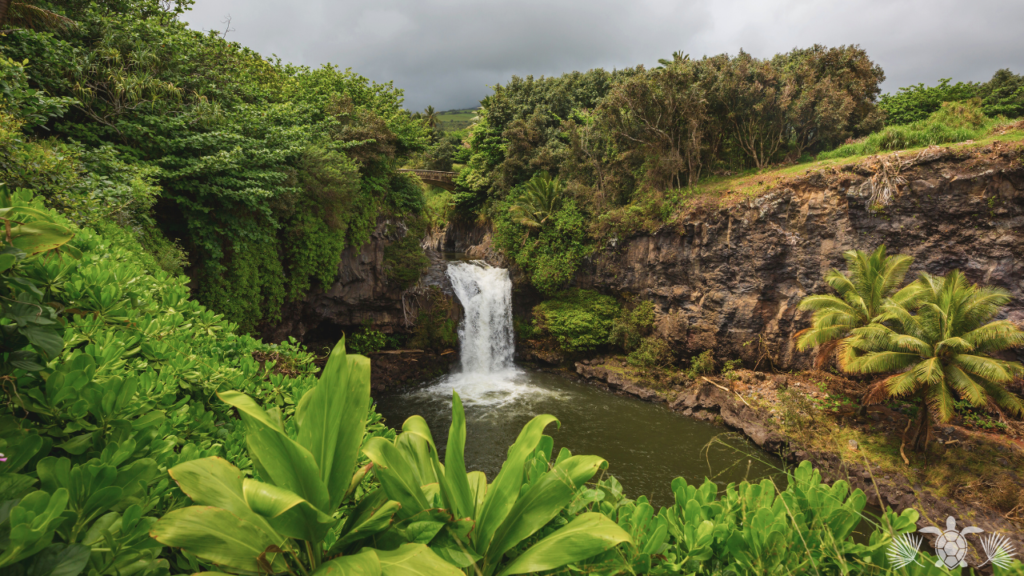
No discussion of Hilo living would be complete without mentioning the area’s spectacular waterfalls—breathtaking reminders of why the east side is so lush. Thanks to Hilo’s generous rainfall, these natural wonders are not just postcard material; they’re genuinely woven into everyday life.
Rainbow Falls
A local favorite and an easy outing, Rainbow Falls sits just minutes from downtown Hilo. Early mornings often reward visitors with vibrant rainbows—hence the name—arching through the spray. The falls are free to access and require little more than a gentle stroll along a paved path. If you’re up for a few stairs, you can climb to another vantage point for a different perspective (and great photos).
Akaka Falls
For something even more dramatic, Akaka Falls State Park is only about a 30-minute scenic drive from Hilo. Here, a short paved loop trail takes you through lush rainforest, with the main event being Akaka Falls: a jaw-dropping 442-foot plunge into a deep gorge below. A modest entry and parking fee apply, but the experience—a mix of tropical flora, birdsong, and the thunder of water—is unforgettable. It’s a must-see for anyone, whether you’re just visiting or thinking of making Hilo home.
There are other waterfalls tucked throughout the Hilo side, but these two are widely beloved for their beauty, ease of access, and tranquil surroundings.
Snorkeling at Richardson Ocean Park
If snorkeling is high on your list, Richardson Ocean Park is one of the few east side gems truly worth your mask and fins. What sets Richardson apart for snorkeling? Calm, sheltered shallows make it safe and easy—even for absolute beginners and younger kids. Visibility is usually good, and you’ll spot a colorful parade of reef fish darting about lava rocks right off the beach.
Turtles are frequent guests here, too. With luck and a little patience, you just might find yourself sharing a swim with a resident honu (Hawaiian green sea turtle). Add in convenient access from Hilo town and a local crowd with a relaxed, ohana (family) vibe, and it’s clear why locals and visitors alike keep coming back.
Hawaii Volcanoes National Park: Hilo’s Gateway to Adventure
One of the standout perks of living on Hilo’s side of the island? You’re just a short drive—about 45 minutes south—from the legendary Hawaii Volcanoes National Park. This iconic landmark is one of only two national parks in the entire state and draws visitors from around the globe, all eager to experience its rugged beauty, steaming craters, and occasionally, jaw-dropping lava flows.
The proximity is no accident—Hilo International Airport is the closest major airport to the park, which is why so many travelers opt to fly into Hilo when their main goal is exploring volcano country. Whether you’re an avid hiker looking to tackle Kīlauea Iki Trail, an amateur geologist, or just want to witness the ethereal glow of the crater during an active eruption, living in Hilo puts you on the doorstep of one of Hawaii’s most unforgettable adventures.
Richardson Ocean Park—A True Local Gem
If you’re looking for a beach that highlights Hilo’s unique blend of natural beauty and community flair, Richardson Ocean Park checks all the boxes. About 15 minutes east of downtown Hilo, this beloved spot invites everyone—from families to solo adventurers—to slow down and soak up classic Big Island scenery.
What sets Richardson apart? There’s the rare black sand beach flecked with shimmering olivine crystals (giving the sand a greenish sparkle on sunny days), and plenty of dramatic lava rock framing calm, shallow waters. Unlike many Hilobeaches, Richardson’s offers some of the island’s best and most accessible snorkeling, with protected waters ideal for kids and beginners.
Expect to spot bright tropical fish darting around the rocks—and if you’re lucky, a Hawaiian green sea turtle cruising by. Plus, with free entry and convenient on-site parking, it’s easy to turn a quick dip into a whole afternoon of swimming, picnicking, and enjoying the laid-back vibes.
Practical Life on the Big Island
Kona:
-
Costco, Target, Safeway, Whole Foods, Home Depot
-
More tourism, more restaurants, more resort conveniences
- More tours and activities available, from snorkeling with manta rays to coffee farm visits and sunset cruises
If you love having plenty of things to do, modern shopping options, and easy access to guided adventures, Kona keeps you busy and connected while still serving up that laid-back island atmosphere.
Budget-Friendly Places to Stay in Kona
Looking for an affordable place to call home—at least for a few nights—in Kona? Good news: you’ve got options that don’t require a luxury budget.
Kona has a range of cozy hostels perfect for travelers who prefer spending on adventure over accommodations. The Kona Beach Hostel and My Hawaii Hostel are both popular for their friendly atmospheres, affordable dorms, and communal kitchens that make it easy to meet fellow travelers and swap island tips.
Prefer not to bunk up? There are also plenty of vacation rentals on platforms like Airbnb, many offering private rooms or entire homes at wallet-friendly rates—think garden studios, ohana units, or even a cute lanai with a peekaboo ocean view.
If you’re up for a little local flavor, check out the guesthouses or smaller inns scattered in and around Kailua-Kona. These often come with tropical gardens, home-cooked breakfasts, and a genuine aloha vibe, all at a fraction of resort prices.
Whether you’re drawn to hostel life, an affordable Airbnb, or a low-key inn, budget travelers will find plenty of comfortable spots to rest and recharge, with more cash left over for shave ice and island adventures.
Getting Around Kona: Do You Need a Car?
If you’re planning to stay put in Kona—relaxing at your resort, enjoying the nearby beaches, and only venturing out for a couple of local tours or dinners—you might get by without renting a car. Rideshare options like Uber and Lyft are available for quick trips between the airport and your hotel, and you’ll likely find this less expensive than keeping a rental car parked most of your visit.
But here’s the reality: public transportation on the Big Island is limited. The local Hele-On bus does exist, but it’s not exactly the model of punctuality or convenience, especially if you’re on a tight schedule or only have a few days to explore. Relying solely on buses isn’t ideal for visitors who want flexibility or plan to cover more ground.
If you’re hoping to visit more remote beaches, check out other towns, or just have the freedom to roam, a rental car is the way to go. Kona makes getting around easy and convenient—provided you’ve got your own wheels. Otherwise, keep your itinerary simple and stay close to your hotel, since rideshare coverage thins out quickly the farther you go from town.
Hilo:
- Local shops, farmers markets, Mauna Loa Macadamia Nut Co.
- Hilo International Airport = direct flights to Oahu & mainland
- Fewer big-box stores, more “mom & pop” charm
If you’re drawn to a laid-back, authentic Hawaiian vibe, Hilo’s food and shopping scene delivers plenty of local flavor. Here, family-run diners and old-school bakeries line the streets, and the Hilo Farmers Market is a must-visit—bursting with fresh produce, flowers, crafts, and homemade treats. You won’t find a ton of fancy, oceanfront restaurants, but you will find real-deal plate lunches, poke, and plenty of budget-friendly eats.
Shopping in Hilo is a different adventure, too. While there are a few national chains, the focus is on unique boutiques and supporting local businesses. So if you love browsing quirky shops and chatting with shop owners who’ve been around for decades, Hilo might feel like home.
Big Island Airports: Size & Affordability
If convenient travel and flight costs matter to you, it’s good to know that Hilo International Airport (ITO) is generally larger and often offers more affordable flights, especially from the mainland or inter-island routes. You’ll find more direct flights and bigger terminal facilities, which can make arrivals and departures a bit smoother—plus, your wallet might thank you. By comparison, Kona International Airport (KOA) is smaller but just as scenic, with open-air walkways and easy access to the resorts. Ultimately, your choice may come down to which side of the island you want to call home, but for bigger bargain-hunters or those needing extra routes, Hilo usually takes the lead.
Flying to the Big Island: Kona vs. Hilo
If you’re comparing airfare, Kona (KOA) usually wins for value. Thanks to its larger airport and a higher volume of daily flights—often with major carriers like Hawaiian, United, Southwest, and Alaska Airlines—ticket prices into Kona are frequently lower than those into Hilo (ITO). More competition on the west side means you’re more likely to spot deals and have greater flexibility with flight times.
Hilo’s airport, on the other hand, offers fewer arrivals and departures each day, so its fares tend to run a bit higher and may require extra connections. If stretching your travel budget is a priority, checking fares to Kona is your best bet.
Kona is more built-up. Hilo is more nostalgic and low-key
Getting Around Hilo: Car vs. Public Transportation
If you’re visiting Hilo, it’s a good idea to rent a car. The town itself isn’t set up for pedestrians, and many top sights—think botanical gardens, Akaka Falls, or the dramatic cliffs of the north—are a drive away. Sure, there’s the Hele-On bus system, but it tends to be infrequent and routes don’t always line up with where (and when) you’ll want to go. Ride-share apps like Uber and Lyft operate sporadically at best, so you can’t count on them for reliable pickups or drop-offs.
Because Hilo is spread out and attractions are scattered, waiting around for the next bus or searching for a last-minute ride can eat up valuable vacation time. If you only have a few days to explore, relying on public transportation could mean missing out on the best of East Hawaii. With a rental car, you’ll have the freedom to set your own schedule and soak in every waterfall, lava tube, or hidden beach your heart desires.
Kona is more built-up. Hilo is more nostalgic and low-key.
Cost of Flights – Kona vs Hilo
When it comes to flying in, Kona (KOA) generally offers more direct flights and airline options, especially from the mainland U.S. This increased competition can lead to lower fares and more flexibility on travel dates. In comparison, Hilo(ITO) sees fewer direct flights—primarily from Honolulu or Maui—which can sometimes make tickets pricier or require an extra stop.
If finding the best airfare is important, you’ll often discover flights into Kona are both more frequent and budget-friendly. However, if Hilo’s lifestyle is calling, booking early or watching for inter-island flight deals can make the trip just as accessible.
Getting Around Hilo – Do You Need a Rental Car?
If you’re planning to explore Hilo and its lush surroundings, having a rental car is almost essential. Unlike busier resort areas, Hilo isn’t particularly walkable, and many of the town’s best attractions—think waterfalls, botanical gardens, or hidden beaches—are spread out well beyond the downtown area.
Ride-share options like Uber and Lyft can be hit-or-miss, often with limited cars available, and local taxi service is minimal. While there’s the Hele-On bus, it isn’t especially frequent or traveler-friendly, especially if your stay is short and your itinerary is full.
In short: For freedom and flexibility, especially if you want to chase waterfalls or sample farmers market fruit at your own pace, renting a car is the way to go on this side of the island.
Beyond Kona and Hilo – What Else is on the Big Island?
While Kona and Hilo grab the spotlight, the Big Island is packed with hidden gems and vibrant communities worth exploring. Your adventure doesn’t stop on the coast—venture inland and you’ll discover a whole new world.
Waimea (Kamuela):
Nestled in green upcountry pastures, Waimea is ranching country—think paniolo (Hawaiian cowboy) culture, weekly farmers markets, and sweeping views of Mauna Kea. It’s home to Parker Ranch, one of the largest cattle ranches in the U.S., plus boutique shops and cafés with a foodie flair.
Pāhoa:
Set in the heart of Puna’s lush rainforest, this funky little town boasts eclectic shops, hot springs, black sand beaches, and vibrant farmers markets. It’s the gateway to wild volcanic landscapes and the ever-changing coastline near Hawaiʻi Volcanoes National Park.
Hawī and Kapaʻau:
Travel north to Kohala and you’ll find charming historic towns with art galleries, snack shops, and unbeatable views of rolling green hills meeting steep sea cliffs. Don’t miss the King Kamehameha Statue and the laid-back, almost-forgotten pace.
Na‘alehu & South Point:
Head south to the southernmost tip of the U.S. and you’ll run into Na‘alehu, famous for its iconic Punaluʻu Bake Shop(hello, malasadas!) and proximity to striking black and green sand beaches. South Point offers dramatic views where the land quite literally ends.
Volcano Village:
Just minutes from the entrance to Hawaiʻi Volcanoes National Park, Volcano Village is a cozy, creative enclave tucked among the ohia trees. Stay here for cool nights, artist studios, and the captivating glow of Kīlauea’s ever-changing lava flows.
These vibrant pockets offer their own unique flavors, from cowboy country to rainforest retreats. So, whether you’re house-hunting or just road-tripping, don’t overlook the other towns and scenic wonders the Big Island serves up around every bend.
Best For…
Choose Kona If You Want:
-Sunshine 300+ days a year
-Ocean views and resort vibes
-A place to vacation or retire in luxury
-Strong short-term rental income potential
Kona has historically seen more growth in home prices, thanks to its popularity with vacation home buyers and investors. The area is dotted with more short-term rentals than most other parts of the island, which can be an opportunity if you’re seeking steady rental income—or a downside if you prefer quieter, more residential neighborhoods. Whether you’re dreaming of a sun-soaked getaway or a smart investment, Kona‘s unique blend of lifestyle and market appeal makes it a top choice.
Choose Hilo If You Want:
-Lush greenery and cool mornings
-More affordable real estate
-A quiet, community-focused life
-Space to garden or farm
Hilo offers more affordable real estate compared to other parts of the island, making it attractive for families, retirees, and anyone looking for more space. The town has a strong sense of community, a laid-back atmosphere, and room to garden, farm, or enjoy outdoor hobbies. With its rainfall-fed landscapes, nearby waterfalls, farmers markets, and easy access to nature, Hilo is ideal for those who value peace, authenticity, and a close connection to the land.
Final Thoughts – Kona or Hilo?
You truly can’t go wrong—but you can go right for your lifestyle. Whether you want to wake up to ocean breezes in Kona or the sound of rainforest showers in Hilo, the Big Island offers both beauty and balance—you just have to decide which one suits your soul.
If you crave endless sunshine, resort-style amenities, and postcard-worthy beaches, Kona’s west side warmth might be your calling. Here, you’ll find lively dining, direct flights, and a steady hum of activity—perfect if you’re after energy, convenience, and that classic “Hawaiian vacation” vibe in your everyday life.
Prefer a slower pace, lush scenery, and a true sense of community? Hilo welcomes you with open arms. Its rain-fed gardens, thriving farmers markets, and deep-rooted traditions offer a more authentic and down-to-earth Big Island experience. The cost of living is generally friendlier, and the town’s personality is as rich as its rainforests.
Consider what matters most:
- Weather & Scenery: Sun-drenched Kona or cool, green Hilo?
- Community & Culture: Resort-town buzz or local, laid-back charm?
- Outdoor Adventures: Snorkeling and sandy coves, or waterfalls and volcanic landscapes?
- Everyday Life: Larger stores and nightlife, or mom-and-pop shops and weekly markets?
- Practicality: Airport access, healthcare, schools, natural hazards, and cost of living—each town has its own strengths and quirks.
Ultimately, both Kona and Hilo promise a lifestyle surrounded by natural beauty and aloha spirit. The right choice is the one that aligns with your own rhythm—because on the Big Island, paradise is a matter of perspective.
Schedule a Consultation