
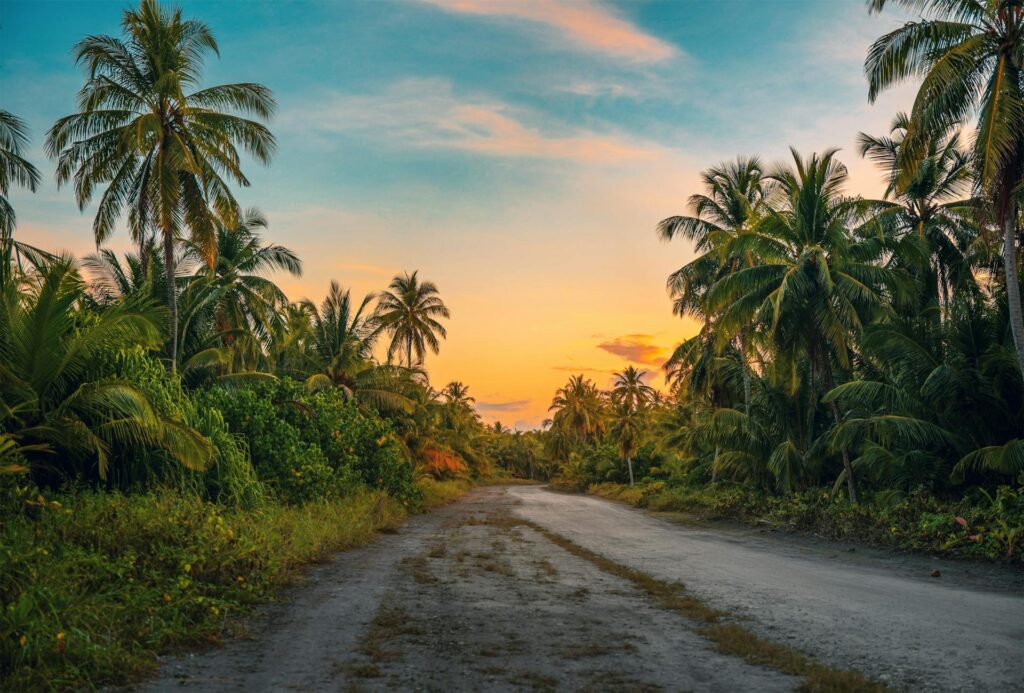
One of the most common questions I get is about what it’s really like when it’s rainy in Kona, especially which areas tend to get more rain and why. It’s a common question because Hawaii, especially the Big Island, has some of the most diverse weather patterns you’ll ever find in such a small area. Whether you’re planning a vacation, looking to buy property, or just curious about life in Kona, understanding the local weather patterns is key.

Kona, located on the western side of the Big Island, is known for its sunny weather, but there’s more to it than that. Not all parts of Kona experience the same amount of rain. So, let’s dive into the details and explain what you can expect depending on where you are in Kona.
The Leeward and Windward Sides of the Island
First, it’s important to understand the difference between the leeward and windward sides of the Big Island. This is the foundation of Hawaii’s weather patterns.
- Leeward side: This is the side of the island that is protected from the trade winds, which typically blow from the northeast. The leeward side, where Kona is located, tends to be drier because the clouds and rain are blocked by the tall mountains in the middle of the island (like Mauna Loa and Hualalai).
- Windward side: This is the side of the island that faces the trade winds, which causes more rainfall. On the Big Island, the Hilo side (east side) is the windward side and is known for being much wetter, receiving upwards of 130 inches of rain annually.
Rainy in Kona? Understanding Kona’s Microclimates
Even within Kona, there are distinct microclimates, meaning the weather can vary quite a bit depending on where you are. So, when people ask “which side of Kona is rainy?” the answer can get a little complicated.
1. Kailua-Kona (Coastal Kona) – Dry and Sunny
This is the heart of the Kona area, where you’ll find the famous Ali’i Drive, oceanfront resorts, and popular tourist spots. This area is known for its sunny weather and relatively low rainfall. If you’re staying or living along the coast, from Keauhou up to Kailua Village, you can expect beautiful, sunny days almost year-round.
- Rainfall: Typically around 20-30 inches annually, most of which happens in the winter months (November to March).
- Climate: Hot, sunny, and dry. Temperatures hover around the mid-80s (F) year-round, and rain showers, when they happen, are brief.
If you’re wondering about specifics, Kailua-Kona delivers on consistency. Average daytime highs stay in a comfortable range—typically between 76°F and 85°F through the year. Even in the “coldest” months (January through March), the water temperature rarely dips below 76°F, making swimming, snorkeling, or just splashing around a year-round affair.
At a Glance: Typical Monthly Temperatures in Kailua-Kona
Month Avg Water Temp (°F) Jan 77 Feb 76 Mar 76 Apr 76 May 77 Jun 78 Jul 79 Aug 80 Sep 81 Oct 80 Nov 79 Dec 78 Most days fall into the “comfortable” to “warm” temperature bands, with air temperatures rarely straying below 75°F. For gardeners and outdoor enthusiasts, this means a virtually year-round growing season with minimal time spent in anything you’d call “chilly.” Forget about “freezing”—that’s not part of the vocabulary here.
In short: Pack your sunscreen, leave your umbrella and jacket at home, and get ready for reliably perfect beach weather.
Best Times to Visit Kailua-Kona for Outdoor Fun
So, when’s the sweet spot for sunshine seekers and outdoor adventurers who want to make the most of their time in Kailua-Kona? While the coast is reliably warm and inviting year-round, there are a few windows where conditions hit that extra-special sweet spot for exploring, lounging, and sightseeing.
Generally, the best times to visit Kailua-Kona for classic outdoor activities—think beach days, snorkeling, hiking, or just hawking shave ice by the seaside—are late November through early April, and again from late May into early June. These stretches bring the most ideal blend of clear skies, mild temperatures (usually between the mid-60s and 80s °F), and minimal rainfall, making just about any outdoor adventure a breeze.
If you love the idea of early morning swims, afternoon markets, and those famously golden Kona sunsets, try to plan your visit in January—that’s when the weather often peaks, giving you those “wish you were here” postcard moments.
Best Times for Beach and Pool Days in Kailua-Kona
So, when is the prime season for soaking up the sun or splashing in the pool in Kailua-Kona? If your dream vacation includes plenty of clear skies, warm breezes, and ideal swimming weather, you’ll want to plan your trip between mid-May and early October. This stretch of the year consistently brings those classic Hawaiian days—think balmy temperatures between 75°F and 90°F, with minimal rain to interrupt your beach time.
If you’re chasing the very best conditions, late July usually delivers the most picture-perfect, sun-soaked days along Kailua-Kona’s coastline. Bathwater-warm ocean temps, gentle trade winds, and sunsets that seem to last forever—this is prime time for beach lovers and poolside loungers alike.
Brightest and Darkest Months in Kailua-Kona
Now, if you’re a sun-chaser or just wondering when Kona’s solar energy truly shines (or dims), here’s what you need to know about how bright it actually gets, month by month.
- Brightest Months: The peak of sunshine in Kailua-Kona stretches from early April all the way into late August. July steals the spotlight as the sunniest month—if you’re dreaming of those classic, golden Hawaiian days, this is prime time.
- Darkest Months: On the flip side, things mellow out from early November to mid-January. December is when you’ll notice the least sunlight reaching the ground. Don’t worry, though—it’s still Hawaii, so “dark” here just means the sun takes a little breather.
This ebb and flow of solar energy shapes not just the weather, but the sense of place—so whether you’re after the brightest rays or just want to avoid Kona’s “cloudiest” moments, you’ll know exactly when to plan your adventures.
Average Monthly Water Temperatures in Kailua-Kona
If you’re wondering about water temperatures, good news: swimming, snorkeling, and paddling are on the menu year-round in Kona. The Pacific here stays consistently warm and inviting, so you don’t usually need a wetsuit (unless you’re planning to get extra serious about your morning laps).
- January to March: The ocean’s at its coolest, with temperatures hovering between 76°F and 77°F.
- April to June: Things start to warm up, reaching 77°F to 79°F.
- July to September: These are the warmest months, peaking around 80°F to 81°F.
- October to December: The water gradually dips back down, settling between 78°F and 80°F.
In short, the water is always comfortable—just another reason Kona’s shoreline is a magnet for beach lovers and water sports enthusiasts alike.
Is There a “Growing Season” in Kailua-Kona?
You might also wonder about the “growing season” in Kailua-Kona, especially if you’re thinking about planting a garden or just curious about the local agriculture (hello, Kona coffee fans!). In many places around the world, the growing season is defined as the stretch of time between the last frost of spring and the first frost of fall—the period when temperatures stay above freezing.
But here’s the thing: Kailua-Kona’s climate is so consistently warm year-round that frost is pretty much a non-issue. Temperatures rarely, if ever, dip close to freezing—so the classic definition of a growing season doesn’t really apply. Essentially, the soil is ready for planting anytime, which is why farmers and gardeners in Kona can harvest different crops throughout the year without worrying about seasonal stops and starts.
What does this mean for you? Whether you want to dabble in growing tropical flowers or sample your hand at papayas, avocados, or even your own coffee, Kona’s mild weather offers continuous opportunity. Frost dates and typical seasonal cutoffs just aren’t part of the equation here!
2. Upland Kona (Holualoa, Kealakekua) – A Bit Rainier
As you move a bit inland and uphill, the weather changes. Areas like Holualoa, Kealakekua, and Captain Cook, which are slightly higher in elevation, see more rain than the coastal areas. These upland areas are home to the famous Kona coffee farms, and the extra rainfall is one of the reasons why Kona coffee is so renowned.
- Rainfall: You’ll see about 60-80 inches of rain annually in these higher elevations.
- Climate: Cooler and greener than the coastal areas, with temperatures typically ranging from the low 70s to low 80s (F). Rain falls more frequently, especially in the afternoons.
If you love a more temperate, lush environment but still want to live in Kona, this might be the perfect area for you. You’ll get the best of both worlds—occasional sunny mornings with more rain in the afternoons to keep everything green.
3. Keauhou Mauka and Kalaoa – Even Wetter
Further uphill, in areas like Keauhou Mauka or Kalaoa, the rain becomes even more consistent. These places are higher up on the slopes of Hualalai, and you’ll notice a significant increase in rainfall. The landscape here is lush and green, perfect for farming and gardening. The cooler temperatures and frequent rainfall make it feel almost like a completely different environment compared to coastal Kailua-Kona.
- Rainfall: These areas can receive 80-100 inches of rain annually.
- Climate: Cool and often misty, with temperatures in the mid-60s to mid-70s (F). Afternoon showers are common, and the vegetation is lush and tropical.
If you don’t mind a little more rain and enjoy a green, verdant environment, this might be the ideal spot for you.
Why It’s Rainy in Kona: Weather Patterns Explained
The reason Kona experiences such diverse weather across short distances is because of the topography of the island. The Big Island has tall mountains, like Mauna Kea and Mauna Loa, that block the trade winds, causing clouds to build up on the windward side (Hilo), where most of the rain falls. As the clouds move over the island, they drop most of their moisture before they reach Kona, which is why the Kona coast is so dry compared to the windward side.
But here’s where things get interesting: the area around Kailua-Kona isn’t just a flat stretch of beach—it’s a patchwork of dramatic elevation changes. Within just 2 miles of Kailua-Kona, the land rises as much as 791 feet, and the average elevation is around 140 feet above sea level. Expand that out to 10 miles, and you’ll find elevation shifts of over 8,200 feet; stretch to 50 miles, and you’re looking at a staggering 13,800+ feet in vertical difference, thanks to the towering volcanic peaks.
This diversity in elevation is a major reason you can drive a few miles inland from the coast and suddenly find yourself in a completely different climate zone. The landscape itself is also a mix: about half the area within 2 miles of Kona is covered by water, with the rest a blend of artificial surfaces and shrubs. As you get farther out, water and lush vegetation continue to dominate.
That said, the further inland you go, the higher the elevation, and the more rain you’ll encounter. This is why the upland Kona areas see more rainfall than the coastal regions.
Important Notes on Weather Data Accuracy
Before you grab your sunscreen or raincoat based on any weather averages, keep a couple of things in mind. Weather and climate data, while helpful, aren’t crystal balls. Much of the information you’ll find is based on historical records, computer modeling (like NASA’s MERRA-2 or NOAA’s datasets), and local observations—and all of those have their quirks.
Here are a few limitations worth noting:
- Models Have Limits: Many weather resources use computer models to fill in gaps between real-world observations. These models work great for the “big picture,” but they can miss out on the microclimates that make the Big Island so interesting—especially in small towns or unique areas along the coast.
- Grids, Not Pinpoints: The data we’re talking about often comes from models that look at big chunks of land (think 50 km squares) rather than your specific street or neighborhood. So, your local patch of paradise might be rainier (or drier) than the broad averages suggest.
- Forecasts Are Not Promises: Even with all this information, weather is still unpredictable—especially on an island that has just about every climate zone you can think of. Always expect some day-to-day variability.
- Scores Reflect Preferences: Sometimes you’ll see “travel scores” or comfort ratings. These are based on what’s considered ideal for most people, but your own preferences (for heat, sun, or misty mornings) may be totally different.
The bottom line? It’s always smart to use climate and weather data as a general guide—not as an exact prediction for your specific day or backyard. Stay flexible, and you’ll get the most out of whatever Kona’s sky decides to offer!

Pros and Cons of Rainy in Kona
Sunny Coastal Kona (Kailua-Kona, Keauhou, etc.)
Pros:
- Consistently sunny weather: Perfect for beach lovers, outdoor activities, and those who crave sunshine.
- Ideal for vacation homes: The dry, warm weather makes it a favorite for visitors and vacation rentals.
- Beautiful ocean views: Uninterrupted sunshine means stunning sunsets almost every day.
Cons:
- Less green: While the coastline is stunning, it can get a bit dry and arid, especially during the summer months.
- Higher temperatures: The coastal areas can get quite hot, with little respite from the sun.
Rainier Upland Kona (Holualoa, Kealakekua, etc.)
Pros:
- Lush, green landscape: The extra rain means that these areas are filled with tropical plants, flowers, and greenery.
- Cooler temperatures: If you prefer a cooler climate, upland Kona offers relief from the coastal heat.
- Agriculture-friendly: If you’re interested in gardening or farming, the rainfall makes it an excellent area for growing crops.
Cons:
- More rain: If you prefer constant sunshine, you might find the rain a little too frequent for your liking.
- More clouds: Cloud cover is more common, especially in the afternoons.
FAQs
Which side of Kona gets the most rain? The upland areas of Kona, like Holualoa and Kealakekua, receive the most rain. These areas are higher in elevation, allowing them to catch more rain from the clouds moving over the mountains.
What is the driest part of Kona? The driest part of Kona is along the coastal areas, like Kailua-Kona and Keauhou. These places receive minimal rainfall and are known for their year-round sunshine.
Can you still enjoy outdoor activities in the rainy parts of Kona? Absolutely! In fact, the rainier parts of Kona offer lush, green environments that are perfect for hiking, farming, and coffee growing. Plus, you still get plenty of sunshine, especially in the mornings.
In Conclusion: Which Side of Kona is Rainy?
To sum it up, coastal Kailua-Kona is typically dry and sunny, while upland areas like Holualoa, Kealakekua, and Kalaoa are rainier and cooler. Whether you prefer a sun-soaked coastal lifestyle or a lush, rainier environment, Kona offers both extremes, often within just a few miles of each other.
If you’re considering a move to Kona or planning your visit, your choice of where to stay or live should depend on what kind of weather you enjoy. The coastal areas offer consistent sunshine, while the upland areas provide a cooler, greener, and more tropical feel.
So, which side of Kona is rainy? The answer really depends on how far uphill you go!
Considering moving to Kona? Reach out today to learn more about the best areas to live based on your weather preferences!
Book a Call