
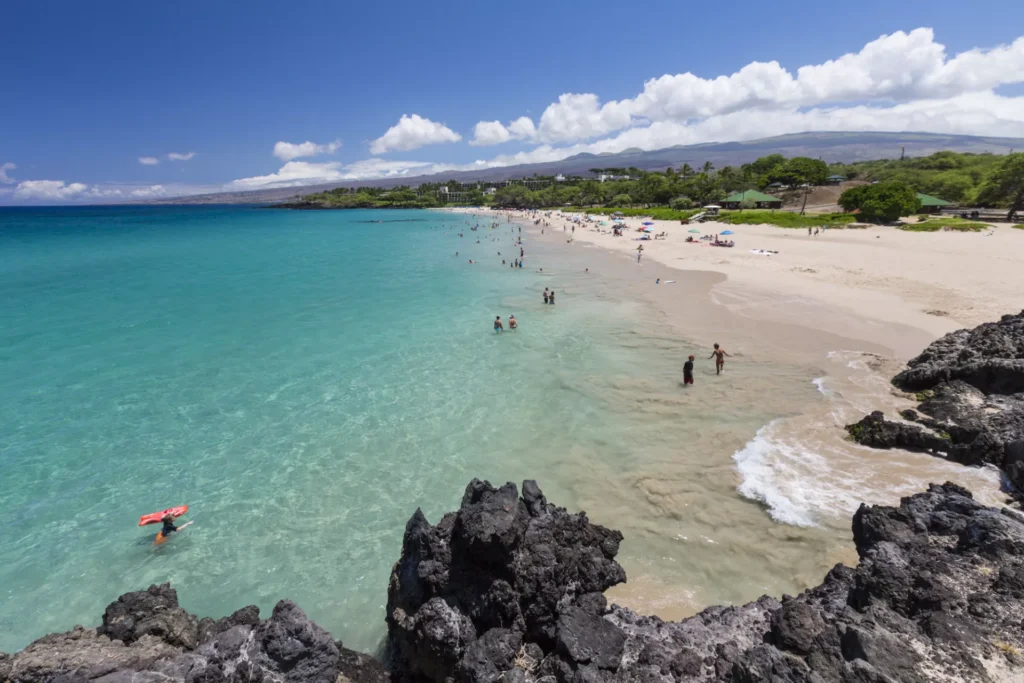
So you’re thinking about living on the Big Island of Hawaii—and honestly, who could blame you? Between the endless ocean views, active volcanoes, world-class snorkeling, and laid-back lifestyle, it feels like paradise. But the Big Island isn’t just a vacation destination—it’s a place where real people live, work, raise families, and find a deeper connection to nature and community.
Whether you’re dreaming of a cozy cottage in the rainforest or an oceanfront home for sale on the Big Island, this guide gives you insider insight you won’t find on travel blogs or big-name real estate websites. Here’s everything you need to know about making the Big Island your home.
1. The Big Island Isn’t Just Big—It’s Massive
It’s called the Big Island for a reason. At over 4,000 square miles, it’s larger than all the other Hawaiian Islands combined. That means each region feels like its own world, with different climates, communities, and price points.
Here’s a quick breakdown:
-
Kona (West Side): Sunny, dry, tourist-friendly, with great shopping and dining. High demand for homes for sale in Kona, especially near the beach. Living here means you’ll be sharing your favorite beaches, restaurants, and even grocery stores with plenty of visitors year-round. The Kona and Kohala Coasts are magnets for tourists, so expect a lively atmosphere most days—especially during the winter months (December–April), when escaping the mainland’s snow makes Hawaii even more appealing. If you enjoy energetic surroundings and don’t mind the seasonal hustle and bustle, Kona’s vibrant mix of locals and visitors will feel right at home.
-
Hilo (East Side): Lush, rainy, and more local. Known for its art, farmers markets, and more affordable housing.
-
Waimea / Kohala Coast: Ranches, luxury resorts, and upscale communities with some of the most stunning oceanfront homes for sale on the Big Island of Hawaii.
-
Volcano / Puna / Kaʻū: Rural, creative, and quirky. Great for buyers seeking privacy, land, or off-grid living.
Best Beaches on the West Side
If you’re craving a sandy escape, the west side of the Big Island delivers some of Hawaii’s most spectacular beaches—all just a scenic drive away. This coastline, stretching from Kailua-Kona up past the Kohala Coast, offers everything from postcard-perfect white sands to hidden coves locals quietly favor.
A few can’t-miss favorites include:
- Hapuna Beach: Widely considered one of Hawaii’s best, with a long stretch of powdery sand and gentle waves—ideal for both swimming and classic lazy afternoons.
- Waialea Bay (aka “Beach 69”): Well-loved for shaded spots beneath kiawe trees and calm, clear waters perfect for snorkeling.
- Kauna‘oa Beach (Mauna Kea Beach): Nestled in front of the Mauna Kea Resort, it’s a crescent of soft sand that’s open to the public (just arrive early for parking).
- Keawaiki Bay (“Lone Palm”): A bit off the beaten path, but those who make the trek find dramatic black and gold sands framed by lava rock.
- Anaeho‘omalu Bay (“A-Bay”): Famous for sunset views, gentle surf, and palm-fringed shoreline within the Waikoloa Resort area, this one’s popular for stand-up paddling and turtle spotting.
- Spencer Beach Park: A family-friendly favorite with calm water, picnic areas, and shade—a great choice for a weekend barbecue or long swim.
All of these gems are part of what makes daily life on the Big Island’s west side feel like a permanent vacation, no hotel key required.
More to Explore on the West Side
But the west side isn’t just about beach days—there’s plenty more to fill your itinerary (or your weekends, if you’re lucky enough to call this place home):
- Historical sites: Explore Puʻuhonua o Hōnaunau National Historical Park or wander the streets of historic Kailua Village for a peek into Hawaii’s past.
- Unique tours: Take a behind-the-scenes look at a local seahorse farm or sip your way through a tour of a renowned Kona coffee plantation.
- Golf with a view: Tee off at one of the region’s stunning oceanfront golf courses, where the fairways rival the scenery.
- Adventure beyond the coast: Head further north for whale watching in season, discover hiking trails with sweeping vistas, or get your adrenaline fix ziplining above lush valleys.
Whether your perfect west side day involves catching a wave, exploring cultural landmarks, or simply basking under a palm tree, you’ll find no shortage of ways to soak it all in.
Get to Know Each Community—Firsthand
The Big Island’s personality shifts dramatically from one side to the other, so your choice of neighborhood will shape your daily routine more than you might expect. Exploring various areas in person is the only way to truly “try on” island life before you commit.
You can’t really get the feel for a place during a whirlwind vacation or by skimming real estate listings online. Instead, spend a few days soaking up the daily rhythms:
- Stroll the farmers’ market in Hilo and notice how laid-back and local it feels, even when drizzling rain is part of the charm.
- Grab breakfast at a bustling Kona café and watch how the early sunshine and ocean breeze wake up the day.
- Cruise through Waimea’s rolling green hills, where you just might find a paniolo (Hawaiian cowboy) riding alongside luxury SUVs.
- Take in an average weekday—not just the weekend scene. Hearing the hum of a community’s morning traffic, seeing which schools, shops, and parks are busy, and even noticing how people greet each other—these details are your real preview.
By experiencing each community’s pace, climate, and character, you’ll know which one fits your lifestyle. Some folks thrive in the energy of Kona’s west side; others love the slower, rain-soaked mornings in Hilo, or the creative patchwork of Puna. The more time you give yourself to explore, the more those subtle differences reveal what could really feel like home.
The Truth About Big Island Traffic
Let’s bust a common myth: life on the Big Island does not mean you’ll never sit in traffic. While you won’t find massive LA-style gridlock, traffic jams have their own island flair.
Picture this: there are really only a few main highways connecting towns. Most are two lanes, and if there’s an accident, some roadwork, or even a wayward wild pig, the whole island’s pace comes to a crawl. Morning and afternoon commutes—especially near schools or heading into Kona—can quickly turn a peaceful drive into a slow parade of brake lights.
Locals swear by leaving early (or late), checking the DOT’s mobile updates, or just throwing on some Jack Johnson and going with the flow. Here, the roads teach you patience—because, in the end, you’re on island time whether you like it or not.
The Real Scoop on the Cost of Living
If you’ve heard that living on the Big Island isn’t exactly cheap, you heard right—but it’s helpful to unpack why everyday expenses can feel steeper here than on the mainland.
First up: location, location, location. Most everyday goods—think groceries, appliances, and even that lucky pair of slippers—take a long, pricey trip by ship or air before landing on local shelves. That tacks on noticeable markups, especially for staples like fresh produce or dairy. (Don’t be surprised if your favorite mainland brand of organic milk suddenly seems like a luxury item.)
Then there’s the real estate picture. Land is limited and often protected to maintain the island’s natural beauty, which means properties for sale come at a premium. Whether you’re after a cozy condo or a sweeping oceanfront estate, housing costs here trend higher than in many other parts of the country.
Utilities can also add up—particularly electricity. Because much of Hawaii’s energy is still imported, rates here outpace the national average. Between keeping things cool in the tropics and running daily essentials, monthly bills can be eye-opening.
But here’s the flip side: while some costs run high, daily life offers priceless perks. Free access to beaches, hiking trails, and fresh air inspire a lifestyle that revolves more around nature than shopping malls. For many, the vibrant community, outdoor adventure, and everyday beauty offer returns that offset the investment.
Navigating the Job Market on the Big Island
If you’re planning to make the Big Island your home, it’s important to go in with your eyes wide open about local employment realities. Unlike big metropolitan areas, the island’s job market leans smaller and, honestly, a bit quirky.
While the population has been steadily growing—and you’ll spot new developments popping up in places like Waikoloa Resort—the opportunities can be more limited than you might expect. Many available roles revolve around tourism, hospitality, healthcare, education, and agriculture. Competition can be fierce, especially for higher-paying positions, so it helps if your resume stands out or your industry is already well-represented here.
Remote work has become a true game-changer for many people moving to Hawaii. Tech, design, writing, consulting—if your career lets you log in from anywhere, you’re in luck (provided you don’t mind adapting to time zones several hours behind the U.S. Mainland). Working remotely from a lanai with an ocean view? It’s not just a fantasy, but don’t forget your 8:00 a.m. Calls might mean a 5:00 a.m. Start.
If you’re open to getting creative or are bringing a business idea of your own, local entrepreneurship thrives, especially for services catering to residents and visitors alike. Just be prepared for some paperwork, patience, and plenty of aloha spirit along the way.
The bottom line? The Big Island is a dream come true for many—but, unless you’re retired or working remotely, planning ahead for employment will make a world of difference.
2. The Weather Can Be Drastically Different—Just Miles Apart
This island has 11 of the world’s 13 climate zones—yes, really. Want dry heat? Head to Kona. Love misty rainforests? Try Hilo. Looking for cooler weather? Waimea sits at higher elevation and offers a crisp, breezy climate.
Does the Big Island Experience Seasons?
If you’re accustomed to dramatic seasonal shifts—the first snowfall, fiery autumn leaves, or the thrill of spring thaw—the Big Island might feel a little topsy-turvy. Here, the “four seasons” are more like variations on warm, warmer, and wet. Temperatures stay fairly mild year-round, with coastal areas rarely dipping below the 60s, even in the heart of “winter.”
Instead of leaves falling, you’ll spot year-round greenery that practically launches a campaign to take over your driveway. Lawnmowers earn their keep here, with grass and plants growing at a pace that would make Miracle-Gro blush. The real ‘seasonal’ changes are subtle:
- Winter (“rainy season”) means a touch more drizzle, especially on the east side and in higher elevations.
- Summer (“dry season”) brings more sun to the leeward coast, but don’t count on drought-level dryness everywhere.
So, while you won’t have to shovel snow or rake autumn leaves, you’ll want to embrace endless growing seasons, where landscaping and gardening can feel like a full-time hobby—or a lucrative side gig.
Year-Round Comfort with a Local Twist
Hawaii’s stable temperatures make for easy living. Overnight lows may dip into the 60s, and daytime highs usually settle in the upper 80s—so you’ll never face the kind of extremes that demand snow tires or an industrial-strength parka. Microclimates add a little personality: the northern Kona and South Kohala districts are notably drier, getting very little rain, while the southern end of Kona can turn up the humidity with significantly more rainfall.
Whether you’re basking in the sunniest spots or watching the rain clouds roll in from your lanai, the climate here means you’ll never run out of reasons—or excuses—to spend time outdoors.
Creepy Crawlies: The (Inevitable) Truth About Island Bugs
Here’s the not-so-glamorous side of paradise: the Big Island’s gentle climate isn’t just a dream for humans—it’s a year-round haven for bugs, too. With no winter chill to hit pause on insect populations, you’ll find that everything from mosquitoes to ants and geckos can thrive no matter the season.
What does this mean for homeowners? A little vigilance pays off:
- Keep things tidy: Regular cleaning helps deter unwelcome houseguests.
- Seal the deal: Check door and window seals for sneaky entry points.
- Natural allies: Many locals swear by keeping geckos around—they’re the best mosquito patrol you’ll ever have!
It’s all part of daily life island-style: embrace the critters, and you’ll settle in just fine.
The Surprising Role of Wind on the Big Island
Here’s something newcomers often don’t realize until they’ve settled in: wind can make or break your daily comfort, depending on where you live on the island.
Some neighborhoods soak up gentle, cooling trade winds that feel like nature’s own air conditioning—perfect for enjoying your lanai without breaking a sweat. But drive just a few miles, and you might find yourself in a pocket where breezes are rare and afternoons can get toasty fast. Then there are spots (especially in certain upland or oceanfront communities) where blustery gusts can turn outdoor dinners into a game of chasing paper plates.
It’s more than just a weather quirk—wind influences everything from how much you use your AC, to how often the salt spray dusts your windows, to just how peaceful your evenings feel. Here’s a pro tip: photos on real estate listings rarely hint at the true wind patterns. That’s why talking to neighbors and spending some time in your top-choice areas at different times of day is worth its weight in gold before you sign on the dotted line.
3. Fresh Fruit: Nature’s Candy, Island Style
One of the everyday luxuries of living on the Big Island? The fruit aisle is basically your backyard. Thanks to the year-round growing season and rich volcanic soil, local farmers’ markets and roadside stands overflow with tropical goodness.
You’ll find:
- Sweet, juicy lychee in the summer (watch out—these disappear fast)
- Creamy avocadoes that put supermarket imports to shame
- Exotic treats like jaboticaba and white pineapple (yes, it’s a thing—and, pro tip, it’s even sweeter than the yellow variety)
- Passionfruit (lilikoi), guavas, custard apples, mountain apples, and more varieties of mango than you can count
- Apple bananas—smaller, sweeter, and leagues tastier than their mainland cousins
Whether you’re blending morning smoothies, tossing fresh fruit in your salad, or just snacking straight from the tree, the Big Island serves up a bounty that’s tough to beat.
https://youtu.be/0cJZxvlQISs?si=fmLzQPdQRL60W18q
4. The Real Estate Market Is Wildly Diverse
From off-grid cabins in the jungle to gated communities with golf course views, the Big Island real estate market offers something for everyone. But here’s what most websites won’t tell you:
-
Some areas have lava zone risks—affecting insurance and financing
-
Not all properties have county water or sewer—many rely on catchment systems and cesspools
-
Certain neighborhoods restrict vacation rentals, while others welcome them
If you’re looking at homes for sale on the Big Island of Hawaii, big island realtors can help you avoid surprises. And if you’re browsing Zillow Kona or Redfin, know that not all listings reflect the whole story.
Homes For Sale on The Big Island
5. Island Life Is Slower—And That’s a Good Thing
People move here for a reason: to breathe, slow down, and reconnect. Yes, it takes longer to get Amazon deliveries. Yes, some days there’s vog (volcanic fog) in the air. But in exchange, you get afternoon swims with sea turtles, backyard mango trees, and neighbors who actually talk to you.
Daily life on the Big Island is wonderfully simple. Most folks here lean into a lifestyle that values relationships and time outdoors over rushing through to-do lists. Whether you’re meeting friends for a beach picnic, catching up on a walk through the neighborhood, or just sitting together to enjoy a killer sunset, connection happens organically. Living outside more—whether it’s swimming, hiking, or just hanging out—tends to keep stress levels low and spirits high.
If you’re serious about moving to the Big Island of Hawaii, ask yourself: Do you want a life of convenience, or a life of meaning?
6. The Most Desirable Neighborhoods Sell Fast
Homes in desirable Kona neighborhoods like Keauhou, Holualoa, and Kailua View Estates don’t sit on the market for long. Same with luxury homes for sale in Hawaii along the Kohala Coast. Whether you’re buying your dream home or investing in a Big Island property for sale, you need a strategy.
As a local Big Island realtor, I help clients:
-
Get ahead of new listings
-
Understand market trends by region
-
Evaluate long-term value and rental potential
-
Navigate off-market opportunities and pocket listings
Is the Big Island Right for You?
Here’s what people say after they move:
-
“I thought I’d miss city life… turns out I don’t.”
-
“I spend more time outside than ever before.”
-
“I’ve never felt more connected to my surroundings.”
If you’re considering the move, exploring homes for sale in Hawaii Big Island, or just wondering what it would be like to live in your vacation, I’d love to help you explore what’s possible.