
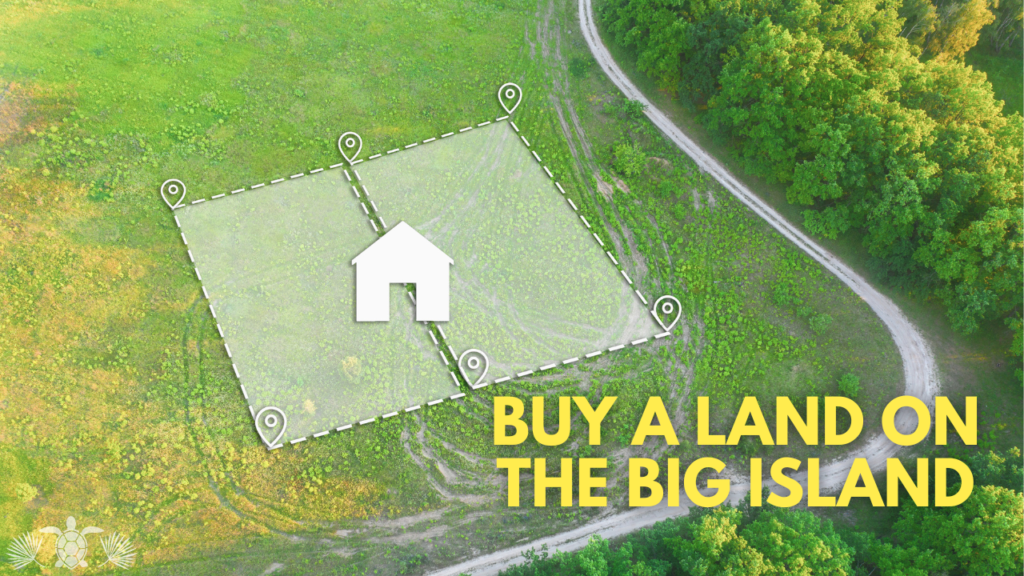
Dreaming of buying land in Hawaii Big Island, especially along the breathtaking Kona Coast? Whether you’re a Hawaii resident looking to expand or a mainland buyer seeking your ideal island escape, buying land on the Big Island offers unmatched potential. From oceanview lots to agricultural parcels and off-grid escapes, land ownership here allows you to build a custom home, vacation retreat, or income-generating property tailored to your vision.
But Hawaii’s land market is unique. Before you break ground, it’s essential to understand zoning laws, infrastructure access, and long-term investment potential. This guide will walk you through everything you need to know to buy land on the Big Island with confidence—from financing and permits to finding the right location.
Can You Buy Land on the Kona Coast?
Yes—both residents and non-residents can buy land on Big Island Hawaii. Whether you’re based in the islands, the mainland, or overseas, owning property here is entirely possible. Hawaii imposes no foreign ownership restrictions, which means you can purchase land as a visitor or investor from anywhere in the world.
If you’re a non-resident or foreign buyer, here are a few things to prepare for:
-
Obtain an ITIN (Individual Taxpayer Identification Number): This is required for tax purposes if you don’t have a U.S. Social Security number.
-
Work with a local escrow company familiar with international transactions: They’ll guide you through Hawaii’s title and closing process.
-
Set up a U.S.-based bank account: This is essential for transferring funds and working with lenders or paying property taxes and utilities.
-
Connect with a Hawaii-based lender or mortgage broker: If financing is needed, you’ll want a lender who understands Hawaii’s market and zoning nuances.
In summary, buying land as a foreigner on the Big Island of Hawaii is entirely legal, and with the right guidance, it can be a seamless and rewarding process.

Things to Know Before Buying Land in Hawaii Big Island
When you buy land on the Big Island of Hawaii, it’s not just about the view—there are key logistical and legal factors to investigate to ensure your dream project is realistic and financially sound.
-
Zoning & permitted use: Is the parcel zoned for agricultural, residential, or resort use? Each designation carries restrictions on what you can build and how the land may be developed. Always verify zoning with the County Planning Department.
-
Utilities access: Not all lots are plug-and-play. You may need to drill a well, install a septic system, or invest in solar panels or battery storage if electricity isn’t readily available. Off-grid living is possible—but it requires planning.
-
Topography & soil: Consider whether the lot is sloped or flat, and whether it’s in an active lava flow risk zone. Soil type affects foundations and landscaping, and lava zones impact insurability and lending.
-
Island community rules: Watch out for HOA guidelines, easements, deed restrictions, and setbacks that may affect your ability to build or use the land the way you envision.
Pro tip: Ask your agent to run a site feasibility study—especially if you’re eyeing remote Kona Coast lots where access, grading, or permitting may present extra challenges.
More About Lava Flow Hazard Zones
Pros & Cons of Buying Land in Hawaii Big Island
Pros
-
Customization: Build your dream home from the ground up, tailored to your lifestyle, design preferences, and long-term needs.
-
Privacy & space: Ideal for those seeking acreage, seclusion, or panoramic ocean views—a rarity in more densely developed areas.
-
Potential value growth: Especially in developing or underutilized regions along the Kona Coast, land investments may appreciate significantly over time.
Cons
-
Longer development timelines: From site clearing and grading to county permitting and inspections, building can take months or even years depending on the location.
-
Higher costs: Expect added expenses like utility hookups, septic installation, water catchment, and potential road work if the parcel is undeveloped.
-
Maintenance demands: Land requires ongoing upkeep, including erosion control, brush clearing, and managing access roads—especially in off-grid or remote areas.

Steps to Buying Land in Hawaii Big Island
-
Get pre-qualified — Cash buyer, local lender, or ITIN-based financed? Determine your purchasing power early to streamline your search.
-
Clarify your vision — Are you building a custom home, starting a vacation rental, planning a working farm, or preparing for multigenerational living? Your goals will shape the location and land requirements.
-
Engage local experts — Work with a licensed real estate agent, a Hawaii-based title company, and, if needed, an environmental consultant familiar with local regulations.
-
Secure a feasibility study — Have professionals evaluate soil quality, septic viability, water access (well or catchment), and utility connections. This step is vital, especially in remote or off-grid areas.
-
Enter contract with contingencies — Include protections for financing, permitting, zoning approvals, or other site-specific conditions before committing.
-
Proceed to due diligence — Conduct a thorough title search, land survey, and gather appraisals or geological reports as needed.
-
Closing & recording documents — Finalize the purchase with legal review and proper filing through escrow and the County of Hawaii.
-
Begin site planning & permitting — Work with architects, planners, or contractors to submit building and land use permits for review by the County.
Best Areas to Buy Land on Big Island, Hawaii
Looking for the right spot to build or invest? These Kona-adjacent locations offer standout opportunities depending on your goals:
| Area | Climate & Elevation | Lifestyle & Appeal | Ideal For | Notable Considerations |
|---|---|---|---|---|
| Upcountry Kona | Cool, 1,500–3,000 ft | Rural charm, coffee farms, spacious lots | Privacy seekers, farming, custom homes | May require septic/well; longer commute to beach |
| Waikoloa Area | Warm, dry, 500–1,000 ft | Resort-adjacent, golf, shopping, growing community | Investors, families, retirees | HOAs common; closer to resorts than to Kona town |
| Hualālai Fringe | Mild, 600–1,500 ft | Near luxury resorts, upscale developments | High-end buyers, second-home owners | Premium pricing; limited availability |
| Kaʻū & Puna | Wet (Puna) / dry (Kaʻū) | Affordable, off-grid, eco-conscious living | Budget buyers, homesteaders | Lava zones in Puna; limited utilities in remote lots |
| South Kohala | Warm, coastal | Scenic ocean views, resort proximity | Developers, luxury builds, beach lovers | Competitive market; growing infrastructure needs |

Does It Make Sense to Buy Land in Hawaii Big Island?
For many, the answer is yes—buying land in Hawaii Big Island means more than just ownership; it’s an opportunity to shape your vision from the ground up. You gain creative freedom to design a home that fits your lifestyle, enjoy added privacy, and potentially benefit from long-term investment appreciation as the island continues to grow.
That said, this path also comes with trade-offs. Infrastructure can be limited in remote areas, and building timelines are often longer than expected. You’ll need to budget for everything from permitting to utilities—and exercise patience along the way.
Think long-term: If your goal is a custom retreat, working farm, or a legacy property for your family, buying land in Hawaii Big Island could be your most rewarding real estate move yet.
Ready to Buy Land on the Kona Coast?
Whether you’re exploring land for sale on Big Island Hawaii or dreaming of building your own paradise, I’m here to guide you—connecting you with trusted professionals, visioning partners, and the best land opportunities.
Relevant Articles
Hawaii Lava Zones Home Buying Guide